
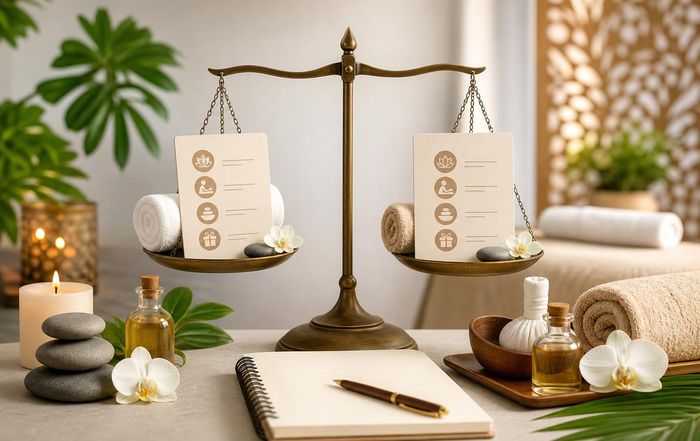
How to Compare Spa Memberships and Treatment Packages Without Getting Overwhelmed
Choosing a spa membership or treatment package can feel surprisingly complicated. Prices are bundled, perks are layered, and every brochure promises "ultimate relaxation." Yet the real value of a spa plan depends on how you live, how often you go, and what kind of care your body and mind genuinely need. For people who see massage, facials, or hydrotherapy as part of a broader self-care routine, comparing options thoughtfully can mean the difference between a nourishing wellness habit and an expensive guilt trip. This guide breaks down how spa memberships and treatment packages work, what to look for in the fine print, and how to match an offer to your actual lifestyle and wellness priorities.
Membership vs. Packages: What's the Real Difference?
Spa memberships and treatment packages often get marketed together, but they serve different purposes. A membership usually means an ongoing relationship with the spa: you pay a recurring fee, typically monthly or annually, in exchange for regular services or access. Many large chains and independent spas now run membership programs that function a bit like fitness club subscriptions, with automatic billing and member-only rates. In contrast, a treatment package usually bundles a set number of services or a themed experience-such as a "detox day," "bridal glow," or "stress reset"-for a fixed price, with no ongoing commitment after you use it.
For people building consistent routines-like a monthly massage to manage back pain or regular facials for skin health-a membership can fit well into an overall wellness plan, much like a gym subscription. Packages, on the other hand, are often best for specific occasions or focused goals: pre-wedding beauty prep, a seasonal reset, or a vacation spa day. The tricky part is that many spas blend the two concepts, offering "member packages" or heavily discounted bundles only available with a membership. Understanding whether you're buying a one-time experience or entering an ongoing contract is the first step before comparing prices, perks, and policies.
Start With Your Own Habits, Not the Spa's Marketing
Before diving into menus and membership tiers, it helps to define what you actually want from a spa relationship. For some, the priority is pain relief and mobility, with massage or hydrotherapy complementing a fitness routine. Others are more focused on skin health, combining facials with home skincare and perhaps advice from a dermatologist. Some people primarily want a mental and emotional break from stress, using spa visits alongside practices like yoga, meditation, or breathing exercises. Clarifying which of these matters most to you will make it easier to judge whether a given membership structure or package setup supports those goals.
A useful approach is to estimate how often you realistically want to visit and what you're comfortable spending monthly on self-care. Health agencies such as the World Health Organization and national bodies like the U.S. Centers for Disease Control and Prevention increasingly emphasize stress management and mental health as part of overall wellbeing, but they stop short of prescribing specific spa use. That means your "ideal frequency" is personal. If weekly visits would cause financial stress, a lower-frequency membership or occasional package is more sustainable. It also helps to consider what you already do for health and relaxation-exercise, therapy, meditation, skincare at home-and how spa services will fit into that broader health and lifestyle picture, rather than trying to replace everything at once.
Breaking Down the True Cost of Spa Memberships
Once you know roughly how often you want to go, the next step is to decode how a membership's pricing actually works. Many spas advertise a headline benefit such as "one monthly massage included," but the real value lies in the combination of included services, member discounts, and any credits that roll over. To compare fairly, it helps to calculate an approximate "per-visit" cost for how you would genuinely use the membership, not how the spa hopes you will. For instance, if a membership includes one service per month plus discounts on extras, but you know you will only use that one service, then the discount on add-ons doesn't meaningfully affect your personal value.
It can also be useful to compare membership pricing with the spa's standard à-la-carte menu. If a 60-minute massage normally costs a certain amount and the membership fee is only slightly higher than that, you can estimate how many discounted extra services you would need to book to break even. Consumer and travel organizations such as Consumer Reports and Tripadvisor often highlight that many memberships across industries rely on people underusing them, so the most cost-effective plan is usually the one that closely matches your real behavior. Checking whether unused services roll over, or whether credits expire after a month, can significantly change the math on whether the membership is a good fit for you.
What to Examine in Treatment Packages
Treatment packages are typically easier to understand at a glance, but still benefit from careful comparison. Most packages group services around a theme: relaxation, detoxification, anti-aging, or couples' experiences. To compare these meaningfully, it helps to list each component service and check its standard individual price. Many packages do offer a genuine discount when you add up the parts, but some simply bundle services at near-full price while adding a glass of sparkling water and a robe for atmosphere. If you would not normally choose every service in the bundle, a smaller, more focused package might provide better value and a more enjoyable experience.
There is also a difference between single-day experiences and multi-visit packages. Some spas sell series of the same treatment-for example, a course of six facials or ten massages-at a discount on the assumption that repetition enhances results. Dermatology and cosmetic organizations such as the American Academy of Dermatology and professional massage associations like the American Massage Therapy Association note that many skin and muscle benefits do improve with regular care, but that does not mean every package structure is automatically right for you. Look closely at expiration dates, flexibility to reschedule, and whether you can share or transfer sessions to another person, especially if your schedule or location is likely to change over the coming months.
Reading the Fine Print: Contracts, Cancellations, and Credits
The most relaxing spa experience can quickly turn stressful if a membership or package comes with rigid terms. Before committing, it is worth reading the contract as carefully as you would for a gym or streaming subscription. Some spa memberships require a minimum commitment period and charge cancellation fees if you stop early. Others allow you to pause or freeze your membership for a month or two, which can be useful during travel or illness. Consumer protection agencies such as the U.S. Federal Trade Commission and equivalents in Europe and other regions regularly remind people that automatic renewals and unclear cancellation processes are common sources of complaint in subscription services, and spa memberships are no exception.
For packages, the key details are often around expiration, booking windows, and refunds. A generous-sounding discount can lose its appeal if all sessions must be used within a very short timeframe or only on weekdays. Check whether late cancellations incur fees, whether you can change the type of treatment within a package (for instance, swapping a body scrub for a massage if you have sensitive skin), and how the spa handles situations where a therapist you like is unavailable. If you are buying a package as a gift, it is also worth confirming how the recipient can redeem it and whether their schedule and preferences are compatible with the spa's rules. A little attention at this stage often prevents awkward conversations later.
Assessing Quality: Therapists, Hygiene, and Safety
Price and perks matter, but in a wellness context, quality and safety should be at least as important. Reputable spas will be transparent about therapist qualifications, hygiene practices, and the products they use. In many countries, massage therapists, estheticians, and other practitioners must hold licenses or certifications; checking that your spa complies with local regulations is a basic safeguard. Professional bodies such as the International Spa Association, the International Spa & Wellness Council, and national health regulators provide frameworks and, in some cases, public registries that can help you understand what standards apply in your area.
Hygiene is particularly important for treatments involving water, shared facilities, or skin exposure. Organizations like the World Health Organization and national health services such as the UK National Health Service and Health Canada have published general guidance on infection control, which many high-quality spas integrate into their operations. When comparing memberships or packages, consider whether the spa's facilities appear well-maintained, whether staff conduct health questionnaires before treatment, and how they respond to questions about allergies, medical conditions, or pregnancy. Memberships that encourage frequent visits make it even more important that each session is delivered safely and professionally, not just pleasantly.
Matching Spa Offers to Your Broader Wellness Lifestyle
Spa memberships and packages are most rewarding when they complement, rather than compete with, the rest of your wellness life. If you already invest time in yoga, meditation, or a structured fitness plan, you might prioritize memberships that offer recovery-focused services like sports massage, stretching, or hydrotherapy. People who care deeply about sustainable living might look for spas that highlight eco-friendly products, energy-efficient facilities, or partnerships with responsible skincare brands, aligning their membership spending with their environmental values.
For those whose primary interest is appearance-healthy skin, hair, and nails-a package or membership that integrates facials, peels, and cosmetic consultations may fit more naturally into a broader beauty or lifestyle routine. In such cases, it can be helpful to see whether the spa collaborates with dermatologists or uses professional-grade skincare lines with published research behind them; companies like L'Oréal, Estée Lauder, and various clinical skincare brands often share scientific background on their websites. Meanwhile, people using spa time primarily for stress relief may want quieter facilities, relaxation lounges, or mindfulness-oriented services rather than the most extensive treatment menu. In all of these scenarios, the "best" membership or package is the one that slots smoothly into your existing commitments and genuinely supports how you want to feel day to day.
Comparing Perks: Beyond the Treatment Room
Many memberships and packages now come with extras that extend beyond the treatment itself. Common examples include access to saunas, steam rooms, pools, or relaxation areas; member pricing on retail products; guest passes; and invitations to special events or workshops. These can substantially change the value equation if you will actually use them. For instance, a membership that includes unlimited access to thermal facilities could double as a regular stress-management tool, especially if you live or work nearby and can drop in outside appointment times. In that case, the membership begins to look more like a combined spa and leisure-club subscription.
On the other hand, perks that sound appealing but do not match your habits can be quietly expensive. Discounts on skincare products are only valuable if you are likely to buy and use them. Access to member-only events matters only if the timing and themes fit your interests, whether that is food and nutrition workshops, wellness talks, or beauty demonstrations. When comparing options, it can help to list the perks you would realistically use in a typical month and assign them a rough monetary value based on standard prices. This simple exercise often makes clear whether one spa's "comprehensive" membership really offers more to you personally than a simpler plan elsewhere.
When a Membership Makes Sense-and When a Package Is Better
After weighing costs, quality, and lifestyle fit, the decision often comes down to how predictable your schedule is and how much structure you want around your self-care. Memberships tend to suit people who live or work close to a spa, enjoy routine, and plan to visit at least monthly for similar types of services. They can also help some people prioritize their wellbeing by turning relaxation into a standing appointment rather than an occasional treat. However, if your work, travel, or careers situation makes regular visits difficult, a flexible package or occasional à-la-carte booking may be less stressful and ultimately more cost-effective.
Packages, by contrast, are often ideal for milestone moments and focused goals: pre-holiday detox, bridal or event prep, couples' getaways, or recovery after an intense work period. They can also be a good way to explore a new spa or treatment style before considering a membership. Some people find a hybrid approach works best: a modest membership at a convenient local spa for regular maintenance, plus occasional destination spa packages while traveling, perhaps combined with travel or retreat experiences. Tourism boards and hospitality groups such as Booking Holdings, Expedia Group, and Trip.com Group increasingly highlight spa-centric stays, reflecting how integrated wellness travel has become with modern lifestyles. Thinking about your year as a whole, rather than each offer in isolation, can help you balance routine care with special experiences.
Making a Calm, Confident Choice
Comparing spa memberships and treatment packages is ultimately about aligning money, time, and wellbeing. Instead of asking which offer looks most luxurious on paper, it can be more useful to ask which one you will feel good about three months from now: are you likely to be using the services regularly, or feeling guilty about unused credits and auto-renewals? Does the spa's approach to hygiene, therapist training, and client care give you confidence, not just comfort? And does the structure of the membership or package support the kind of life you actually live, with its real-world constraints and stresses?
Taking an hour to read terms carefully, check a few independent reviews on platforms like Google, Yelp, or Tripadvisor, and perhaps visit the spa in person before committing can make a significant difference in satisfaction. When chosen thoughtfully, a spa membership or package can become a steady anchor in a broader self-care routine that includes movement, rest, nourishing food, and meaningful connection. When chosen hastily, it can become just another subscription to manage. This article comes to a close here. Keep reading what matters to you and stay open to viewpoints that deepen your understanding. A calm, clear-eyed comparison process helps ensure that your next spa decision genuinely supports relaxation long after you leave the treatment room.
