
Singapore's Luxury Spa Resorts in 2026: How a City-State Became a Global Wellness Powerhouse
Singapore in 2026 stands at a pivotal intersection of finance, technology, and lifestyle, yet its evolution into a global wellness and luxury spa capital is perhaps one of its most compelling transformations. For an international audience turning to qikspa.com for trusted guidance on spa, wellness, beauty, and high-end travel, Singapore now represents far more than a convenient Asian stopover; it has matured into a destination where sophisticated hospitality, science-backed wellness, and cultural depth converge in a way that few cities worldwide can match. The city-state's ability to weave lush greenery into cutting-edge architecture, to combine precise urban planning with human-centered experiences, and to anchor luxury in health, sustainability, and authenticity has allowed its spa resorts and wellness hotels to become benchmarks for the global industry.
While wellness tourism has been expanding across Asia, Europe, and North America, Singapore's model is distinctive in that it embeds world-class spa experiences into a dense, efficient, and cosmopolitan environment. Guests can arrive on a morning flight, attend board meetings in the afternoon, and, by evening, find themselves in a sanctuary of hydrotherapy pools, restorative massages, and nutrition-led dining, all within a compact, well-connected city. As global travelers from the United States, United Kingdom, Germany, Australia, Canada, and beyond increasingly prioritize physical, mental, and emotional well-being in their itineraries, Singapore's spa resorts are reshaping expectations of what luxury hospitality should deliver. For those seeking a broader context on how wellness is influencing modern living, qikspa.com offers extensive lifestyle perspectives that complement this Singapore-focused view.
The Maturation of Wellness Tourism in Singapore
The rise of wellness tourism in Singapore did not happen by accident; it is the product of deliberate policy, private-sector innovation, and a cultural disposition toward health and efficiency. The city's healthcare system, often ranked among the best in the world, and its reputation for safety and cleanliness have provided a strong foundation for wellness-oriented travel. Organizations such as the Singapore Tourism Board have strategically promoted the city as a premium wellness destination, while international bodies like the Global Wellness Institute have documented the rapid growth of wellness tourism across the Asia-Pacific region, with Singapore consistently cited as a high-value market.
By 2026, wellness in Singapore's hospitality sector extends far beyond traditional spa menus. Leading hotels integrate fitness, mindfulness, nutrition, and even preventive health consultations into coherent journeys tailored to the needs of business executives, leisure travelers, and wellness seekers from China, Japan, South Korea, Europe, and North America. Many of these properties draw upon evidence-based guidance similar to that published by organizations such as the World Health Organization and Harvard T.H. Chan School of Public Health to design programs that emphasize sleep quality, stress management, metabolic health, and mental resilience. For readers who wish to understand how wellness aligns with broader health trends, qikspa.com provides additional context through its curated health insights.
Marina Bay Sands: Spectacle, Science, and Spa Excellence
Any discussion of Singapore's luxury wellness landscape naturally begins with Marina Bay Sands, an integrated resort whose silhouette has become synonymous with the city itself. While its rooftop infinity pool has long dominated social media feeds from New York to London, the deeper story lies in how the property has elevated its spa and wellness programs into a sophisticated ecosystem. The Banyan Tree Spa at Marina Bay Sands, set high above the city, has evolved into a flagship for contemporary Asian wellness, combining time-honored techniques with biometric insights and advanced therapies.
Treatments draw on Southeast Asian healing traditions while integrating modern modalities such as targeted muscle recovery, sleep-focused rituals, and stress diagnostics supported by wearable technology. Guests can complement spa sessions with tailored fitness programs in state-of-the-art gyms, guided yoga and meditation overlooking the skyline, and nutrition-forward dining that reflects global research on balanced diets, including principles similar to those promoted by institutions like the Mayo Clinic. The result is an experience that appeals as much to C-suite executives and entrepreneurs as to leisure travelers, aligning with the performance-oriented lifestyles often explored in qikspa.com's business section.
Capella Singapore: Heritage, Nature, and Holistic Rituals
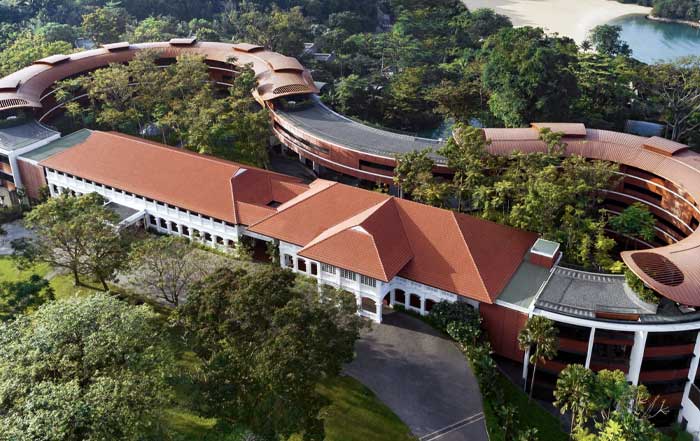
On Sentosa Island, Capella Singapore continues to embody the city's unique blend of heritage and innovation. Nestled within restored colonial buildings and framed by tropical greenery, the resort's Auriga Spa has distinguished itself by grounding its treatments in organic ingredients and lunar-inspired cycles. This approach, once seen as niche, now resonates strongly with a global audience that increasingly values circadian health, hormonal balance, and alignment with natural rhythms, themes also echoed in research from organizations such as the National Institutes of Health.
Auriga's programs emphasize detoxification, deep relaxation, and emotional recalibration, often combining body treatments with guided breathwork, meditation, and personalized skincare regimens that address the impacts of urban living and frequent travel. The resort's commitment to sustainability-through energy-efficient systems, responsible sourcing, and biodiversity-friendly landscaping-speaks to a growing segment of travelers from Germany, Sweden, Norway, and Denmark who prioritize eco-conscious choices. Those wishing to explore how organic beauty and natural rituals are shaping global wellness can find complementary narratives in qikspa.com's beauty coverage.
Raffles Hotel Singapore: Iconic Heritage with Modern Wellness Depth
Raffles Hotel Singapore, a legend since 1887, has successfully translated its historical gravitas into a contemporary wellness proposition. After a meticulous restoration, the property repositioned the Raffles Spa as a sanctuary that marries Eastern philosophies with Western therapeutic science. Hydrotherapy pools, thermal suites, and quiet relaxation lounges set the stage for treatments that combine techniques from traditional Asian therapies with evidence-based Western massage and skincare.
What distinguishes Raffles in 2026 is its integration of culinary wellness into the broader guest journey. Menus curated with input from nutrition professionals emphasize whole foods, balanced macronutrients, and regionally sourced ingredients, reflecting principles similar to those advocated by the Academy of Nutrition and Dietetics. Guests can align spa treatments with anti-inflammatory meal plans, low-glycemic options, and plant-forward dishes that support energy, gut health, and longevity. For readers who see food as central to well-being, qikspa.com's food and nutrition section offers further analysis on how gastronomy and wellness intersect in luxury hospitality.
The Fullerton Hotels: Maritime Heritage and Restorative Calm
Along the Marina Bay waterfront, The Fullerton Bay Hotel and its sister property, The Fullerton Hotel Singapore, exemplify the fusion of history and contemporary refinement. Housed in a former General Post Office building, The Fullerton's neoclassical architecture is complemented by The Fullerton Spa, where treatments highlight Asian botanicals and aromatherapy techniques designed to counteract the stresses of urban life and frequent intercontinental travel.
The spa's philosophy emphasizes long-term well-being rather than fleeting indulgence, with programs that encourage guests from France, Italy, Spain, and across Europe to view each visit as part of an ongoing self-care journey. Tailored massages, restorative facials, and tension-relieving therapies are often paired with guided walks along the bay and mindfulness practices that leverage the calming effect of water, a principle supported by environmental psychology and organizations like the American Psychological Association. This narrative of heritage-infused wellness aligns closely with the editorial direction of qikspa.com, which regularly explores the emotional and cultural dimensions of spa and salon experiences in its spa and salon features.
The Ritz-Carlton, Millenia Singapore: Art, Design, and Multi-Sensory Wellness
At The Ritz-Carlton, Millenia Singapore, wellness is woven into an environment that feels like a living art museum. The hotel's extensive contemporary art collection, featuring works by renowned artists, creates a visually stimulating and contemplative setting that shapes the guest experience even before entering The Ritz-Carlton Spa. Inside, treatments are designed as multi-sensory journeys, combining touch, soundscapes, and curated aromas to guide guests toward deep restoration.
Partnerships with high-performance skincare brands and the use of advanced facial technologies reflect the growing convergence of aesthetics and wellness, a convergence that appeals to discerning travelers from Switzerland, the Netherlands, and United Kingdom who expect both visible results and holistic benefits. Many guests build full-day itineraries that pair yoga or Pilates with art tours, spa rituals, and nutrient-dense dining, embodying a lifestyle approach similar to that championed by organizations like the Cleveland Clinic's wellness programs. For those curious about the broader integration of such multi-dimensional wellness, qikspa.com's wellness hub provides a deeper exploration.
Shangri-La Singapore: Multicultural Healing in a Garden Setting
Set within fifteen acres of manicured gardens, Shangri-La Singapore offers an atmosphere that feels worlds away from the city's commercial core. Its Chi, The Spa concept draws upon traditional Asian healing philosophies and emphasizes the free flow of "chi," or life energy, through personalized treatments that integrate elements from Chinese, Malay, and Indian traditions. This multicultural approach mirrors Singapore's broader identity and appeals strongly to visitors from India, Thailand, Malaysia, and across Asia who seek a sense of cultural authenticity in their wellness experiences.
In recent years, Shangri-La has expanded its commitment to sustainability and health through initiatives such as on-site herb gardens, waste reduction programs, and menus that highlight local, seasonal produce, aligning with standards promoted by organizations like the UN Environment Programme. Its approach underscores a crucial message: personal wellness and planetary health are inseparable. Readers interested in this intersection can explore related themes in qikspa.com's sustainable living coverage.
Mandarin Oriental, Singapore: Integrative Therapies for the Global Traveler
Mandarin Oriental, Singapore has carved out a distinctive position by combining Traditional Chinese Medicine-inspired therapies with advanced Western wellness technologies. Within its spa, guests encounter treatments that range from herbal compresses and meridian-based massages to high-tech facials and stress analytics, catering to a global clientele from China, Japan, South Korea, Singapore, and beyond who are increasingly comfortable with integrative health approaches.
Mindfulness and mental health are central pillars of the property's offering. Guided meditation, sound therapy, and breathwork sessions are designed to address burnout, anxiety, and digital overload-issues documented extensively by bodies such as the World Economic Forum as critical challenges for modern professionals. By embedding mental wellness into its luxury framework, Mandarin Oriental reflects a shift in guest expectations that is mirrored across the destinations and experiences featured on qikspa.com, including its dedicated wellness and mental health insights.
Sofitel Singapore Sentosa Resort & Spa: French Art de Vivre Meets Asian Sanctuary
At Sofitel Singapore Sentosa Resort & Spa, perched atop a cliff with sweeping views of the South China Sea, guests encounter a distinctive blend of French elegance and Asian tranquility. The SoSPA concept brings together French cosmetology, refined design, and extensive spa facilities, including outdoor pools, meditation gardens, and private pavilions where treatments can be combined with yoga, tai chi, or mindful movement.
This resort has become a favored choice for travelers from Australia, New Zealand, South Africa, and Brazil seeking destination-style retreats rather than short, transactional spa visits. Multi-day programs may include detox-focused menus, sleep enhancement protocols, and structured digital detox periods, reflecting global interest in restorative breaks from hyperconnectivity. The role of yoga and meditative practices in these programs aligns closely with the themes explored in qikspa.com's yoga-focused content, where the emphasis is on both physical postures and the deeper philosophy of mindful living.
Boutique Wellness Hotels: Intimacy, Storytelling, and Personalization
While Singapore's large integrated resorts and heritage icons command international headlines, its boutique wellness hotels have quietly become laboratories of innovation, particularly appealing to experienced travelers from Europe, North America, and Asia who seek intimacy and narrative-rich experiences.
Properties such as PARKROYAL COLLECTION Marina Bay have pioneered biophilic design, turning the hotel into a "garden-in-a-hotel" with thousands of plants and trees woven into its architecture. Its St. Gregory Spa focuses on natural, Asian-inspired therapies that encourage guests to reconnect with nature, echoing principles promoted by environmental health researchers and organizations like the Royal Horticultural Society. Similarly, Six Senses Duxton, housed within restored shophouses, integrates holistic healing, Traditional Chinese Medicine consultations, and community engagement in a way that makes wellness feel embedded in local culture rather than imposed upon it.
Boutique properties such as The Barracks Hotel Sentosa and The Clan Hotel emphasize personalized rituals, storytelling, and quiet luxury, often attracting couples, solo travelers, and executives who value privacy and depth over spectacle. These hotels frequently blend heritage narratives, ancestral remedies, and contemporary design, appealing to the same audience that gravitates toward the nuanced travel stories featured in qikspa.com's international and travel sections.
Technology, Data, and the Personalization of Wellness
By 2026, Singapore's spa and wellness hotels are deeply shaped by technology, not as a gimmick but as a tool for personalization and measurable impact. Many leading properties integrate digital health platforms that track sleep, stress, heart rate variability, and activity levels, using this data to tailor treatments, fitness plans, and even room environments. Some collaborate with health-tech firms and research institutions-often drawing on frameworks similar to those shared by the National University of Singapore and other academic centers-to design evidence-based protocols.
Guests may check into a hotel and receive a wellness briefing based on pre-arrival questionnaires and wearable data, followed by curated recommendations that span spa therapies, exercise routines, and nutrition choices. Virtual reality meditation, red-light therapy, cryotherapy, and biofeedback are increasingly common, and while these technologies remain premium offerings, they align with the expectations of high-net-worth travelers from Switzerland, Singapore, United States, and United Kingdom who view health optimization as a long-term investment. This technology-enabled personalization mirrors broader trends that qikspa.com tracks across wellness, fitness, and beauty, including in its fitness coverage.
Sustainability, Nutrition, and Women's Leadership in Wellness
Sustainability is no longer an optional feature for Singapore's luxury spa resorts; it is a strategic imperative. From energy-efficient building systems and water conservation measures to eco-certified spa products and plant-based menus, properties are aligning their operations with global environmental goals similar to those promoted by the UN World Tourism Organization. Many hotels publish sustainability reports, engage local communities, and participate in regional conservation initiatives, responding to a new generation of travelers from Netherlands, Finland, and Canada who scrutinize environmental credentials as closely as they do service standards. Readers can explore these themes in greater detail through qikspa.com's dedicated sustainability section.
Nutrition has emerged as a central pillar of the wellness proposition, with resorts collaborating with dietitians, chefs, and sometimes medical consultants to create menus that support metabolic health, cognitive function, and longevity. References to Mediterranean-style diets, plant-rich menus, and reduced ultra-processed foods echo guidance from organizations such as The British Nutrition Foundation. For travelers, this means that indulgence and health are no longer mutually exclusive; tasting menus, afternoon teas, and poolside snacks can be aligned with personal wellness goals, a philosophy that resonates with the food and lifestyle narratives curated on qikspa.com.
Women's leadership has been instrumental in shaping this holistic vision of wellness hospitality. Female general managers, spa directors, nutritionists, and wellness entrepreneurs have championed programs addressing stress, hormonal health, body image, and life-stage transitions, ensuring that offerings are inclusive and responsive to the needs of women travelers from United States, United Kingdom, Singapore, and around the world. Their influence is evident in the design of women-centric retreats, safe and empowering spa environments, and career pathways within the industry, topics that align closely with the conversations hosted in qikspa.com's women-focused content and careers section.
Economic Impact and Singapore's Global Positioning
Wellness tourism has become a powerful economic engine for Singapore, contributing significantly to hotel revenues, retail, gastronomy, and professional services. International reports from organizations like the World Travel & Tourism Council highlight wellness-oriented travel as one of the fastest-growing segments worldwide, and Singapore's strong brand in safety, healthcare, and service quality positions it competitively against destinations such as Thailand, Bali, Switzerland, and New Zealand.
Spa resorts and wellness hotels are not only attracting affluent leisure travelers; they are also influencing how business events, corporate retreats, and incentive travel are structured. Companies from North America, Europe, and Asia increasingly choose Singapore as a venue where high-level meetings can be paired with structured wellness programs, stress management workshops, and fitness experiences. This integration of business and wellness aligns with the professional lifestyle narratives that qikspa.com regularly explores, and it underscores the city's role as a laboratory for the future of work-life balance in a globalized economy.
The Role of QikSpa in a Global Wellness Conversation
As Singapore's spa and wellness landscape becomes more sophisticated, the need for trusted, experience-driven guidance has never been greater. qikspa.com positions itself as a platform that curates and interprets these developments for a global audience spanning United States, United Kingdom, Germany, Canada, Australia, France, Italy, Spain, China, Japan, Singapore, and beyond. By combining on-the-ground insights with a focus on experience, expertise, authoritativeness, and trustworthiness, the platform helps readers navigate a complex marketplace of options, from flagship integrated resorts to intimate boutique retreats.
Whether a reader is searching for the most restorative spa in Singapore, exploring sustainable travel options across Asia, researching longevity-focused nutrition, or examining how wellness trends are reshaping careers in hospitality and beauty, qikspa.com provides a coherent ecosystem of resources. Its interconnected coverage across wellness, beauty, fitness, travel, and international perspectives allows readers to situate Singapore's luxury spa resorts within a broader, global narrative of how people live, work, and rejuvenate in 2026.
In this evolving landscape, Singapore's spa resorts and wellness hotels are not merely destinations for pampering; they are living laboratories where the future of luxury, health, sustainability, and human potential is being tested and refined. Through its editorial lens, qikspa.com brings that future into focus for a discerning worldwide audience, helping each reader translate the city-state's innovations into informed, meaningful choices for their own wellness journeys.
