
Choosing Reef-Safe Sunscreen to Protect Ocean Life
The New Standard of Sun Protection for a Conscious World
The global conversation around sun protection has shifted from a narrow focus on SPF numbers and cosmetic elegance to a broader, more responsible understanding of how sunscreen choices affect marine ecosystems, coastal communities, and long-term human health. As travelers, wellness enthusiasts, and beauty-conscious consumers become more informed, the demand for reef-safe sunscreen has moved from a niche preference to an expectation, especially in destinations where coral reefs and fragile marine habitats are central to tourism, local livelihoods, and cultural identity. For QikSpa and the audience who turn to its wellness insights for guidance, reef-safe sunscreen has become a natural intersection of beauty, health, sustainability, and ethical travel.
This evolution reflects a deeper recognition that personal care products are no longer evaluated solely by how they make skin look and feel in the short term, but also by how they interact with oceans, rivers, and coastal ecosystems once they wash off in the shower or in the sea. The idea that a sunscreen can be both high-performance and environmentally responsible has gained scientific support and regulatory backing, especially as governments, NGOs, and leading beauty brands collaborate to reduce the ecological footprint of sun protection. In this context, choosing reef-safe sunscreen is not merely a lifestyle trend; it is an informed decision that aligns with Experience, Expertise, Authoritativeness, and Trustworthiness at the heart of QikSpa's mission.
Why Coral Reefs Matter to Health, Business, and Lifestyle
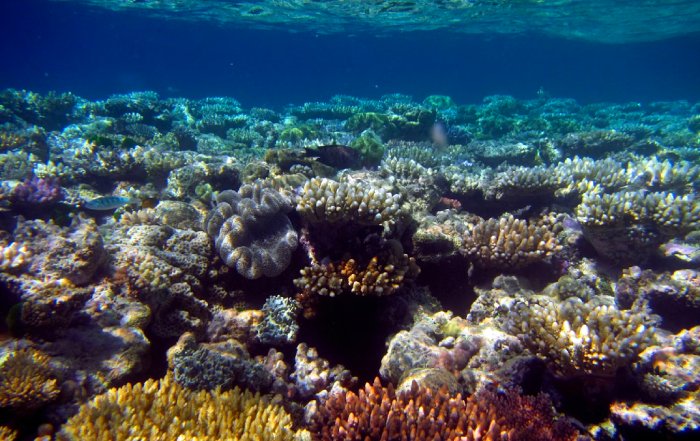
Coral reefs are often described as the rainforests of the sea, and this metaphor remains accurate in 2026 as scientists continue to highlight their role in biodiversity, climate regulation, and coastal protection. According to the National Oceanic and Atmospheric Administration (NOAA), coral reefs support approximately a quarter of all marine species, despite covering less than 1 percent of the ocean floor, providing food, shelter, and nursery grounds for countless fish and invertebrates. Readers who follow global health and nature coverage can see clearly how reefs underpin food security and economic stability in many regions, especially in tropical countries across Asia, the Pacific, the Caribbean, and parts of Africa and South America.
The economic implications are equally significant. The World Bank and United Nations Environment Programme have repeatedly emphasized that coral reefs contribute billions of dollars annually to tourism, fisheries, and coastal protection. Resorts, spas, and wellness retreats from the Caribbean to Southeast Asia rely on healthy reefs to attract visitors seeking snorkeling, diving, and serene ocean vistas. Learn more about the economic value of coral reefs through resources provided by organizations such as the World Resources Institute. For businesses featured in QikSpa's business coverage, from boutique spas in the Mediterranean to eco-resorts in the Pacific, reef degradation is not an abstract environmental concern but a direct business risk.
Coral reefs also intersect with public health and lifestyle in multiple ways. Coastal communities depend on reef-associated fisheries for protein and micronutrients that are difficult to replace, a topic increasingly explored in evidence-based nutrition discussions similar to those in QikSpa's food and nutrition section. Reefs help buffer shorelines from storms and erosion, protecting homes, infrastructure, and wellness destinations alike. As climate change intensifies, the ecosystem services provided by reefs become even more critical, reinforcing the importance of individual and collective actions that limit additional stressors, including pollution from certain sunscreen ingredients.
How Sunscreen Ingredients Affect Coral and Marine Life
Over the last decade, a growing body of research has documented how specific sunscreen chemicals can harm coral reefs and other marine organisms. Studies referenced by organizations such as the International Coral Reef Initiative and UNESCO have shown that ingredients like oxybenzone (benzophenone-3) and octinoxate (ethylhexyl methoxycinnamate) can contribute to coral bleaching, DNA damage, and reproductive disruption, particularly in areas with high tourist density where sunscreen use is intense. Readers can explore further through educational resources from the National Ocean Service, which explain how these chemicals interact with marine environments.
When swimmers, surfers, and divers apply conventional sunscreens and enter the water, a portion of the product washes off and disperses into the surrounding ecosystem. Even those who remain on the beach or at a resort pool contribute indirectly, as sunscreen residues rinse away in showers and eventually reach the ocean through wastewater systems, especially in regions where treatment infrastructure is limited. Researchers collaborating with institutions such as Stanford University and University of Queensland have reported measurable concentrations of UV filters in coastal waters, sediments, and even in marine organisms, reinforcing the urgency of reformulating personal care products to reduce ecological harm. Interested readers can review scientific summaries from sources like PubChem or US Environmental Protection Agency (EPA) portals for more technical details on these chemicals.
The impacts extend beyond corals. Some organic UV filters have been associated with endocrine disruption in fish and invertebrates, altered behavior in marine species, and bioaccumulation in the food chain. As global seafood consumption remains high in countries such as the United States, Japan, and across Europe, the long-term implications for human health are still being investigated. This connection between marine pollution and human well-being aligns with broader holistic health perspectives, similar to those highlighted in QikSpa's health content, where environmental exposures are considered alongside diet, sleep, and stress management.
What "Reef-Safe" Really Means in 2026
By 2026, the term "reef-safe" has become widely used in marketing, yet it remains largely unregulated in many jurisdictions, which means consumers must look beyond labels to understand what they are actually buying. Some governments and conservation organizations have issued guidelines or lists of chemicals to avoid, but there is no single global standard. This lack of uniform regulation can create confusion, particularly for travelers moving between regions such as Hawaii, the Caribbean, the Mediterranean, and Southeast Asia, where local rules differ. The State of Hawaii and territories like Palau and parts of Thailand have implemented bans or restrictions on specific ingredients, and resources from agencies like the Hawaii Department of Land and Natural Resources provide insight into these policies.
In practice, reef-safe or reef-friendly sunscreens in 2026 generally fall into two main categories: mineral-based formulations that rely on non-nano zinc oxide or titanium dioxide as active UV filters, and carefully selected organic formulations that exclude ingredients most strongly associated with coral harm. Organizations like the Environmental Working Group (EWG) maintain updated databases and consumer guides to sunscreens that meet stricter health and environmental criteria, offering a useful reference for those who wish to align personal care choices with sustainability goals. Learn more about safer sunscreen ingredient profiles through the EWG sunscreen guide.
At the same time, responsible brands and informed media platforms such as QikSpa emphasize that reef-safe is not solely about removing a few chemicals; it is about examining the full product life cycle, including how ingredients are sourced, manufactured, packaged, and disposed of. This perspective resonates with the broader sustainability discourse, similar to the themes explored in QikSpa's sustainable living section, where ethical sourcing, reduced plastic use, and climate-conscious operations are core considerations. Thus, a truly reef-conscious sunscreen strategy integrates ingredient safety, packaging reduction, and responsible consumer behavior.
Decoding Labels: Ingredients to Seek and Avoid
For professionals, travelers, and wellness enthusiasts seeking to make informed choices, the ability to interpret sunscreen labels has become a crucial skill. Dermatologists, including experts featured by organizations like the American Academy of Dermatology (AAD), continue to recommend broad-spectrum sunscreens with adequate SPF to protect against both UVA and UVB radiation, which are linked to premature skin aging, hyperpigmentation, and skin cancer. However, within that dermatological consensus, there is now greater guidance on how to choose formulas that minimize environmental impact.
As a general rule, mineral sunscreens using non-nano zinc oxide and, in some cases, titanium dioxide are considered less harmful to coral reefs when formulated without additional problematic additives. Resources from the Skin Cancer Foundation explain the protective benefits of these minerals, especially for sensitive or reactive skin types. Consumers should look for labels that specify "non-nano" to reduce the likelihood of nanoparticles that may pose risks to certain marine organisms, although research is still evolving. On the other hand, ingredients such as oxybenzone, octinoxate, octocrylene, homosalate, and 4-methylbenzylidene camphor are increasingly scrutinized due to their documented or suspected ecological impacts, and many eco-conscious brands have phased them out.
Fragrance, preservatives, and other inactive components also deserve attention, particularly for individuals with sensitive skin or those who spend significant time in the water. Reading ingredient lists may initially feel daunting, but it quickly becomes second nature, especially for readers who already make informed decisions about skincare and cosmetics through resources like QikSpa's beauty coverage. Educational materials from organizations such as the British Association of Dermatologists and Health Canada can further support consumers in understanding which ingredients align with both skin health and environmental responsibility.
Global Regulations and Regional Leadership
In 2026, regulatory approaches to reef-safe sunscreen vary widely across the world, reflecting different environmental priorities, economic structures, and scientific interpretations. The European Union continues to apply the EU Cosmetics Regulation framework, which requires extensive safety assessments for human health and increasingly considers environmental impacts, leading to restrictions or phaseouts of certain UV filters. Interested readers can explore regulatory updates through the European Commission cosmetics portal.
In North America, the US Food and Drug Administration (FDA) maintains its monograph for over-the-counter sunscreens, focusing primarily on safety and efficacy for human use, while environmental concerns are more often addressed at the state or local level, as seen in Hawaii and parts of Florida. Canada's Health Canada similarly regulates sunscreens as drugs or cosmetics, with ongoing reviews of ingredient safety. In the Asia-Pacific region, countries like Japan, South Korea, and Australia have robust sunscreen markets and advanced cosmetic science, and environmental considerations are increasingly integrated into product innovation, particularly in markets with strong eco-tourism sectors. For up-to-date regulatory perspectives, professionals frequently consult resources from the World Health Organization and regional health authorities.
Island nations and coastal destinations that depend heavily on marine tourism have been among the most proactive in addressing sunscreen pollution. For example, Palau's Responsible Tourism Education Act and similar initiatives in parts of Thailand and the Caribbean have raised global awareness about the connection between sunscreen and reef health. These policy developments are closely followed by hospitality, spa, and travel businesses, many of which are featured in QikSpa's travel coverage and are adopting reef-safe standards as part of their brand identity and guest experience.
Integrating Reef-Safe Sunscreen into Everyday Lifestyle
While reef-safe sunscreen is often discussed in the context of tropical vacations and diving excursions, its relevance extends far beyond occasional travel. For individuals living in coastal cities from Sydney to Barcelona, Miami to Cape Town, daily use of reef-conscious sun protection contributes to a cumulative reduction in marine pollution. Even inland residents have a role to play, because sunscreen residues can enter waterways through wastewater systems and eventually reach the sea. This broader systems view aligns with the holistic lifestyle approach that characterizes QikSpa's lifestyle content, where wellness choices are understood within interconnected environmental and social contexts.
Incorporating reef-safe sunscreen into daily routines involves more than simply switching brands. It encourages a reevaluation of sun exposure habits, including the use of shade, clothing, hats, and sunglasses as primary defenses, with sunscreen as one component of a comprehensive strategy. The World Health Organization and national cancer societies, such as Cancer Research UK, emphasize that behavioral measures-seeking shade during peak UV hours, wearing protective clothing, and avoiding tanning beds-remain foundational in reducing skin cancer risk. Learn more about sun-safe behavior recommendations through resources from organizations like the Centers for Disease Control and Prevention.
For fitness enthusiasts, outdoor yogis, and active professionals who follow QikSpa's fitness and yoga guidance and yoga coverage, reef-safe sunscreen becomes an integral part of pre-activity preparation, just like hydration and warm-up routines. Long runs along coastal paths, paddleboarding, open-water swimming, and beach yoga sessions all present opportunities to align personal performance with environmental stewardship. Choosing water-resistant, sweat-resistant reef-safe formulas, reapplying as recommended, and combining them with UPF-rated clothing allows individuals to maintain skin health without compromising their commitment to marine conservation.
The Intersection of Beauty, Fashion, and Sustainability
The beauty and fashion industries have played a pivotal role in normalizing reef-safe sunscreen by integrating it into broader narratives of conscious consumption and sustainable aesthetics. Leading skincare brands, many of which are profiled by outlets like Vogue and Allure, now highlight mineral and reef-friendly formulations as part of their clean beauty portfolios, often pairing them with eco-conscious packaging and transparent ingredient sourcing. Consumers who explore QikSpa's fashion section can see how sun-protective clothing, stylish wide-brimmed hats, and UV-blocking sunglasses have become both functional and fashionable, especially in markets such as the United States, United Kingdom, Germany, and Australia where outdoor lifestyles are prominent.
From a beauty perspective, advances in formulation science have addressed some of the traditional concerns associated with mineral sunscreens, such as white cast or heavy texture. By 2026, many reef-safe products offer sheer, tinted, and cosmetically elegant finishes suitable for diverse skin tones, a priority for women and men worldwide and a frequent topic in QikSpa's women-focused content. Research and innovation hubs in South Korea and Japan have been particularly influential in developing lightweight, high-SPF, reef-conscious sunscreens that meet the expectations of discerning consumers who demand both performance and environmental responsibility. Readers interested in formulation trends can follow updates from industry research platforms like Cosmetics & Toiletries or Mintel.
Sustainability in packaging has also advanced. Brands are increasingly adopting recyclable, refillable, or biodegradable containers, reducing plastic waste that otherwise contributes to marine pollution. Initiatives such as the Ellen MacArthur Foundation's circular economy programs and global efforts to reduce single-use plastics have inspired companies to rethink how sunscreens are delivered, stored, and transported. Learn more about sustainable business practices through resources like the UN Global Compact, which encourage companies to align their operations with environmental and social principles.
Travel, Hospitality, and the New Expectations of Guests
For the travel and hospitality sector, reef-safe sunscreen has moved from an optional amenity to a marker of environmental responsibility and brand differentiation. Resorts, spas, and cruise lines serving destinations like the Maldives, Hawaii, the Great Barrier Reef, the Mediterranean, and the Caribbean increasingly provide reef-safe sunscreen at pools, beaches, and in-room amenities, sometimes in partnership with specialist brands. This shift is particularly evident among properties that position themselves as wellness or eco-luxury destinations, many of which are featured in QikSpa's international and travel reporting.
Guests, especially those from environmentally aware markets such as Scandinavia, Canada, and New Zealand, now expect clear communication about a property's environmental policies, including reef protection measures. Travel advisories and destination marketing organizations, supported by research from bodies like the UN World Tourism Organization (UNWTO), highlight the importance of sustainable tourism practices that minimize environmental impact while supporting local communities. Information on reef-safe sunscreen is increasingly included in pre-arrival communications, spa menus, and on-site educational materials, reinforcing the message that personal care choices are part of responsible travel.
For spa and salon operators who draw inspiration from QikSpa's spa and salon insights, adopting reef-safe sunscreen is both an ethical and commercial decision. Stocking reef-conscious sun protection in retail areas, integrating it into facial and body treatments, and training staff to explain its benefits helps build trust with guests who value transparency and environmental stewardship. In a competitive global market, where wellness travelers compare offerings across Europe, Asia, North America, and beyond, such practices contribute to a property's reputation and long-term success.
Careers, Skills, and Leadership in Reef-Safe Transitions
The transition toward reef-safe sunscreen has also created new professional opportunities and expectations across industries. Product developers, cosmetic chemists, dermatologists, marine biologists, sustainability consultants, and hospitality executives are increasingly required to understand the intersection of cosmetic science, environmental impact, and regulatory frameworks. Universities and professional organizations now offer specialized training and certifications in sustainable cosmetic formulation and marine conservation, often in collaboration with institutions like UNEP and UNESCO. Individuals exploring future paths in wellness, beauty, or sustainability can find relevant guidance in resources similar to QikSpa's careers section.
Leadership in this space demands more than technical expertise; it requires the ability to communicate complex information clearly to consumers, clients, and policy makers. Brands and organizations that succeed in 2026 are those that invest in transparent reporting, third-party certifications, and partnerships with credible NGOs, avoiding greenwashing and building genuine trust. Thought leaders in dermatology, marine science, and sustainability, often featured in conferences supported by bodies such as the International Union for Conservation of Nature (IUCN), play a key role in shaping best practices and aligning industry efforts with the latest evidence. Learn more about global conservation priorities through the IUCN's knowledge resources.
For QikSpa, which serves a global audience interested in health, beauty, wellness, and responsible living, curating and interpreting this evolving body of knowledge is a core responsibility. By highlighting credible experts, showcasing best-in-class products and destinations, and connecting readers with authoritative external resources, the platform helps individuals and businesses alike make decisions that are both personally beneficial and environmentally sound.
How QikSpa's Loyal Audience Can Lead by Example
As reef-safe sunscreen becomes an expected standard rather than a niche option, the collective influence of informed consumers grows. Readers of QikSpa, spread across regions from North America and Europe to Asia-Pacific, Africa, and South America, are well positioned to drive demand for products and services that respect ocean life, human health, and local communities. Each decision to choose a reef-safe sunscreen, to support a spa or hotel that adopts environmentally responsible policies, or to share knowledge with friends and colleagues contributes to a broader cultural shift.
For those who already integrate holistic wellness practices into their lives-balancing nutrition, fitness, mental health, and self-care through resources like QikSpa's home page and specialized sections-the move to reef-safe sunscreen is a natural extension of existing values. It aligns with mindful consumption, respect for nature, and an understanding that long-term beauty and health are inseparable from the health of the planet. By staying informed through trusted organizations such as NOAA, WHO, UNEP, and leading dermatology associations, and by leveraging the curated guidance offered across QikSpa's wellness and related channels, individuals can navigate the sunscreen landscape with confidence.
Choosing reef-safe sunscreen is more than a personal care decision; it is a statement of alignment with a future in which oceans, reefs, and coastal communities are valued and protected. As scientific understanding deepens and regulatory frameworks evolve, platforms like QikSpa will continue to play a vital role in translating complex developments into practical, trustworthy advice, empowering a global audience to enjoy the sun responsibly while safeguarding the vibrant marine ecosystems that enrich lives, economies, and cultures around the world.
