
Rome 2026: The Eternal City as a Global Blueprint for Wellness, Lifestyle, and Sustainable Luxury
Rome in 2026 stands at a rare intersection of history and modern aspiration, offering not only the familiar splendor of ancient monuments but also a living, evolving case study in how a global city can integrate wellness, lifestyle, business, and sustainability into one coherent urban experience. For the international audience of qikspa.com, Rome is more than a postcard-perfect destination; it is a practical laboratory where centuries-old traditions are continuously reinterpreted to meet contemporary expectations in spa and salon culture, health and fitness, food and nutrition, fashion, women's empowerment, sustainable travel, and globally connected careers. As travelers from the United States, United Kingdom, Germany, Canada, Australia, France, Italy, Spain, the Netherlands, Switzerland, China, Sweden, Norway, Singapore, Denmark, South Korea, Japan, Thailand, Finland, South Africa, Brazil, Malaysia, New Zealand and beyond look for destinations that nourish both body and mind, Rome increasingly serves as a benchmark for what sophisticated, purposeful travel can and should be.
The essence of experiencing Rome in 2026 lies less in racing between landmarks and more in tuning into its distinctive rhythm. The city reveals itself slowly, through a morning cappuccino savored at a marble-topped bar, an unhurried walk through narrow cobbled streets that suddenly open onto sunlit piazzas, or a late evening conversation over a simple plate of cacio e pepe and a glass of Lazio wine. This pace reflects a philosophy that aligns closely with the holistic approach championed on qikspa's wellness hub, where well-being is seen not as a separate activity but as a way of structuring an entire day, an entire journey, and ultimately, an entire life.
Rome's Six Iconic Pillars of Heritage and Inspiration
Any serious exploration of Rome begins with its most iconic sites, which together form a narrative arc that continues to shape global culture, design, and even business thinking. The Colosseum, still the dominant emblem of the city, offers more than the spectacle of an ancient amphitheater; it is a powerful reminder of organizational capacity, engineering prowess, and the use of public space as a tool of social cohesion and influence. Visitors who step into its vast arena often find themselves contemplating not only the drama of gladiatorial combat but also the logistics and political messaging that underpinned such events. Those interested in historical context can deepen their understanding through resources from UNESCO and specialist institutions that explore world heritage management, linking Rome's past to contemporary debates about preservation.
Just beyond the Colosseum, the Roman Forum stretches out as an open-air archive of power, law, religion, and commerce. Walking among the broken columns and triumphal arches, modern travelers can visualize how decisions taken in this relatively compact space once shaped the destinies of territories across Europe, North Africa, and Asia. This concentration of civic functions in a single district anticipates the integrated urban models now studied by organizations such as UN-Habitat, which encourages cities to learn more about sustainable urban development by examining historical precedents and adapting them to current realities.
The Pantheon, with its perfectly proportioned dome and central oculus, remains one of the most admired architectural achievements in the world. Its enduring structure, based on precise geometry and innovative materials, continues to influence contemporary architects and designers, many of whom study its construction through academic resources such as MIT's architecture programs, which invite professionals to explore architectural innovation and history. Inside the Pantheon, the play of natural light and the simplicity of the interior convey a sense of calm that resonates with modern concepts of contemplative space, making it a natural point of connection between historical architecture and present-day wellness design.
The Trevi Fountain offers a different but equally compelling form of symbolism. Beyond its Baroque drama and cinematic fame, it represents the importance of water in Roman life, from ancient aqueducts to modern urban infrastructure. The ritual of tossing a coin into the fountain speaks to the human desire for return, continuity, and emotional connection to place. This relationship between water, ritual, and urban identity echoes contemporary wellness research, such as that shared by Mayo Clinic, which encourages individuals to understand the restorative effects of environment and routine.
The Vatican Museums and St. Peter's Basilica together represent a concentration of artistic achievement and spiritual significance that few cities in the world can match. The Vatican Museums, home to the Sistine Chapel and the Raphael Rooms, are a testament to centuries of patronage, curation, and cultural diplomacy. Organizations such as UNESCO and the International Council of Museums (ICOM) provide frameworks that help global audiences explore museum best practices and cultural stewardship, and the Vatican's ongoing efforts to digitize and preserve its collections align with these evolving standards. Meanwhile, St. Peter's Basilica, with its vast nave, intricate chapels, and Michelangelo's dome, invites visitors into a space where art, faith, and global community converge. The panoramic view from the dome, stretching across the Eternal City, offers a visual summary of Rome's layered identity-ancient ruins, Renaissance palaces, modern infrastructure, and green spaces coexisting in a single panorama.
These six icons form the structural backbone of any Roman itinerary, yet for the discerning traveler and the professional audience of qikspa.com, they are also gateways into broader questions about how cities manage heritage, how design influences well-being, and how cultural capital can be leveraged responsibly in the 21st century.
Lifestyle and Wellness: Rome's Daily Ritual as a Model of Balanced Living
Rome's true power lies in the way its everyday life embodies principles of wellness that many global citizens are only now rediscovering. The typical Roman day is structured around rituals that prioritize presence, pleasure, and social connection, all of which align closely with the themes explored on qikspa's lifestyle section. Breakfast is often modest-a cappuccino and a cornetto enjoyed standing at the bar-but it is rarely rushed; the act of pausing, greeting the barista, and observing the neighborhood forms part of a subtle but consistent mental reset.
Lunch remains a central pillar of Roman life, especially for those who still follow traditional schedules. Even professionals in finance, law, or technology sectors often take time for a proper meal, favoring fresh, seasonal ingredients, simple preparations, and measured portions. The Mediterranean pattern of eating, now widely endorsed by institutions such as the Harvard T.H. Chan School of Public Health, which encourages people to learn more about the Mediterranean diet and long-term health, is visible in trattorias and osterias throughout the city. Olive oil, vegetables, legumes, whole grains, and moderate wine consumption combine pleasure with proven health benefits, offering a practical model for readers interested in food and nutrition strategies that are both enjoyable and sustainable.
The city's spa and wellness culture, which has its roots in the ancient Roman baths, has evolved into a sophisticated ecosystem of luxury hotel spas, boutique wellness studios, and specialized beauty clinics. Many of these spaces integrate hydrotherapy, massage, advanced skincare, and mindfulness practices, providing a comprehensive experience that mirrors the holistic philosophy behind qikspa's spa and salon insights. Modern Roman spas increasingly draw on evidence-based approaches studied by organizations like the World Health Organization, which offers guidance on understanding mental health and well-being in urban environments, ensuring that relaxation is not merely cosmetic but contributes meaningfully to long-term resilience.
For visitors, incorporating these wellness rituals into a Roman stay transforms the trip from a series of sightseeing obligations into a curated retreat. A morning walk through a neighborhood market, a midday spa treatment, a late-afternoon espresso, and an evening stroll along the Tiber create a rhythm that recalibrates stress levels and encourages reflection, aligning with the health-focused content available on qikspa's health platform.
Fashion, Beauty, and the Roman Approach to Elegance
Rome in 2026 continues to hold a distinctive place in the global fashion and beauty landscape. While Milan may be Italy's primary fashion capital, Rome offers a more intimate, lifestyle-driven expression of style, visible in the understated elegance of locals walking along Via Condotti, Via del Babuino, and around Piazza di Spagna. Luxury houses such as Valentino, Fendi, and Gucci maintain a strong presence, but the city is equally defined by its network of independent designers, artisanal shoemakers, and ateliers that prioritize craftsmanship, longevity, and increasingly, sustainability.
This emphasis on quality over quantity aligns with global movements supported by organizations like the Ellen MacArthur Foundation, which invites industry and consumers alike to learn more about circular fashion and sustainable design. For readers of qikspa's fashion pages, Rome offers a living example of how wardrobe decisions can reflect both personal identity and ethical responsibility, with many boutiques now highlighting traceable fabrics, low-impact dyeing techniques, and local production.
Beauty in Rome transcends cosmetics to encompass skincare, grooming, posture, and even attitude. Roman women and men often favor skincare regimes rooted in natural ingredients-olive oil, botanicals, thermal waters-combined with high-performance formulations developed by Italian and international laboratories. Clinics and spas increasingly reference dermatological guidance from institutions such as the American Academy of Dermatology, which encourages individuals to explore evidence-based skincare practices, ensuring that treatments are not only luxurious but also medically informed. For global professionals seeking to refine their personal presentation, qikspa's beauty section finds a natural counterpart in Rome's approach, where outward appearance is understood as an extension of self-respect and inner balance rather than mere vanity.
Health, Fitness, and Active Exploration in the Eternal City
Rome's topography and urban design naturally invite movement. Many of its most memorable experiences are accessible only on foot, from the climb to the Gianicolo Hill for sunset views to the meandering paths of Villa Borghese. In 2026, wellness-oriented tourism continues to expand, and Rome has responded with a growing network of outdoor fitness options, yoga studios, and boutique gyms that align with the active lifestyle promoted on qikspa's fitness pages.
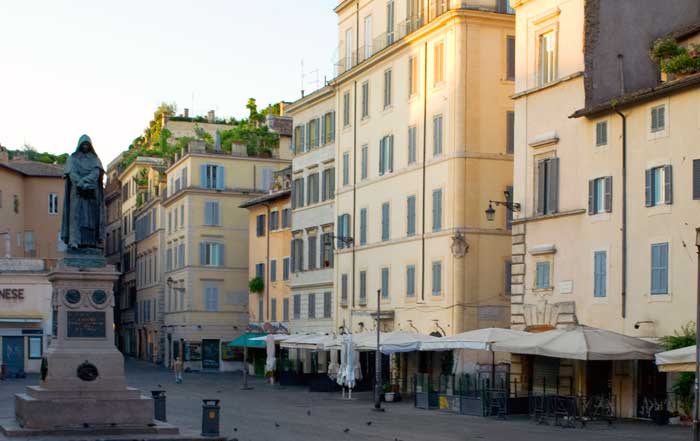
Travelers can integrate exercise seamlessly into their itineraries by walking between sites such as the Spanish Steps, Piazza Navona, and Campo de' Fiori, or by joining organized running groups that trace routes along the Tiber or through historic districts at dawn. Many hotels now offer rooftop fitness spaces with views of domes and bell towers, blending cardiovascular training with visual inspiration. This integration of physical activity and cultural immersion reflects recommendations from organizations such as the American College of Sports Medicine, which encourages individuals worldwide to learn more about incorporating movement into daily life, even while traveling.
Nutrition remains a cornerstone of Roman health culture, and the Mediterranean diet continues to attract global attention for its cardiovascular and cognitive benefits. Institutions like the Cleveland Clinic provide accessible resources to understand the science behind Mediterranean-style eating, reinforcing what Romans have practiced for generations: that enjoyment and health are not opposing goals but complementary ones. For the qikspa.com community, Rome's food culture offers practical models for translating theoretical nutrition advice into daily habits that are both satisfying and sustainable.
Women, Safety, and Empowered Travel in Rome
By 2026, Rome has consolidated its reputation as a welcoming and empowering destination for women travelers, whether they arrive as solo explorers, corporate delegates, entrepreneurs, or wellness seekers. Improvements in urban lighting, public transport security, and multilingual tourist information have increased confidence among visitors, while the growth of women-owned businesses in hospitality, gastronomy, and cultural services has created an ecosystem where female perspectives shape the travel experience.
Neighborhoods such as Trastevere, Monti, and Prati have become hubs for women-led initiatives, from design boutiques and artisanal studios to yoga spaces and holistic therapy centers. Curated tours led by female historians, chefs, and art experts offer nuanced narratives that highlight the contributions of women to Roman history and contemporary culture. These developments resonate strongly with the themes covered in qikspa's women-focused content, where safety, self-discovery, and professional growth are central concerns.
International organizations such as UN Women continue to provide global frameworks that help travelers learn more about gender equality and safe mobility, and Rome's evolving policies and grassroots initiatives increasingly align with these principles. For women balancing demanding careers with the need for restorative breaks, the city offers spa retreats, wellness workshops, and quiet cloisters where reflection and renewal are encouraged, demonstrating that luxury and empowerment can coexist.
Rome as an International and Business Hub
Rome's international relevance extends far beyond tourism. As the capital of Italy and the seat of institutions such as the Food and Agriculture Organization (FAO) and other United Nations agencies, it serves as a platform for global dialogue on food security, climate resilience, and sustainable development. Professionals attending conferences or policy meetings in Rome often find that the city's cultural depth enhances their work, providing context and inspiration that more anonymous business destinations cannot match. The FAO's resources, for example, enable visitors to explore global food and nutrition priorities, which intersect naturally with Rome's culinary traditions and the nutrition-focused content on qikspa's food and nutrition pages.
Business travelers benefit from a growing network of modern conference facilities, co-working spaces, and hybrid event venues that combine advanced technology with architectural character. Many of these venues integrate wellness features-natural light, green terraces, ergonomic furniture-in line with the kind of workplace well-being standards studied by the World Economic Forum, which encourages leaders to learn more about the future of work and human-centric design. For readers of qikspa's business section, Rome demonstrates how a city can use its cultural assets to attract high-value events and talent while maintaining a strong emphasis on quality of life.
The city's hospitality sector has adapted to the expectations of international professionals by offering flexible check-in options, quiet workspaces, spa access, and curated local experiences that extend beyond typical sightseeing. This integration of productivity and pleasure reflects a broader shift in global business travel, where trips are increasingly evaluated not only on financial return but also on their contribution to personal well-being and long-term professional development.
Sustainable Tourism and Responsible Luxury in Rome
In 2026, sustainability is no longer a niche consideration for Rome; it is a central component of policy, branding, and visitor expectations. The city has expanded its electric bus fleet, enhanced pedestrian zones, and supported bike- and scooter-sharing programs to reduce congestion and emissions, in line with guidelines from the European Environment Agency, which encourages European cities to learn more about sustainable mobility and air quality. Many hotels and restaurants now pursue eco-certifications, investing in energy-efficient systems, water-saving technologies, and responsible waste management.
Travelers who wish to align their trips with environmental and social responsibility can choose accommodations and experiences that emphasize local sourcing, fair labor practices, and cultural preservation. Farm-to-table restaurants highlight regional produce and traditional recipes, while small family-run establishments offer authentic hospitality that keeps economic value within the community. These approaches mirror the values articulated on qikspa's sustainable living pages, where responsible consumption and low-impact travel are seen as essential to protecting destinations for future generations.
Organizations such as the Global Sustainable Tourism Council (GSTC) provide frameworks that help destinations and businesses explore best practices in sustainable tourism, and Rome's evolving strategies increasingly reflect these principles. For the qikspa.com audience, this alignment underscores that luxury and sustainability are not incompatible; rather, the most memorable and meaningful experiences are often those that respect both local culture and the planet.
Careers, Learning, and Long-Term Engagement with Rome
For many visitors, a short trip to Rome becomes the starting point for deeper engagement, whether through academic study, professional relocation, or recurring business travel. The city's universities and design schools attract international students who wish to study art history, architecture, fashion, international relations, or gastronomy in a setting where theory and practice meet daily. Institutions such as Sapienza University of Rome and various international academies offer programs that encourage participants to learn more about cross-cultural education and research, aligning with the career development perspectives highlighted on qikspa's careers pages.
Cultural immersion in Rome builds competencies that are increasingly valuable in a globalized economy: adaptability, intercultural communication, aesthetic literacy, and the ability to navigate complex historical and political contexts. Professionals in fields as diverse as hospitality, design, diplomacy, technology, and sustainable development often report that time spent in Rome has sharpened their strategic thinking and enriched their creative processes. For those who view travel as a catalyst for personal and professional growth, Rome offers a uniquely fertile environment where every walk through a piazza or museum can inform long-term ambitions.
Rome as a Living Blueprint for the Qikspa Community
By 2026, Rome stands not only as the Eternal City but as a living blueprint for the integrated lifestyle that qikspa.com champions across its platforms, from wellness and health to beauty, fitness, sustainable living, international engagement, business, travel, and careers. The city demonstrates in tangible form that it is possible to honor history while embracing innovation, to indulge in beauty while prioritizing health, to pursue professional success while maintaining balance, and to enjoy luxury while acting responsibly toward the environment and local communities.
For a global audience seeking destinations that resonate with their values and aspirations, Rome offers a compelling proposition. A stay in the city can encompass spa rituals inspired by ancient baths, nutrition grounded in Mediterranean wisdom, fashion informed by sustainability, business meetings framed by Renaissance art, and evenings dedicated to reflection in quiet churches or vibrant piazzas. In this sense, Rome is not just another stop on a travel checklist; it is a sophisticated template for how individuals and organizations can design lives and strategies that are at once successful, healthy, beautiful, and ethically grounded.
As qikspa.com continues to guide readers across continents-from North America to Europe, Asia, Africa, and South America-Rome remains a touchstone, a city that proves such integration is not theoretical but entirely achievable. Those who walk its streets with open eyes and intentional purpose will find not only the remnants of empire but also a forward-looking vision of how to live well in a complex, interconnected world.
