
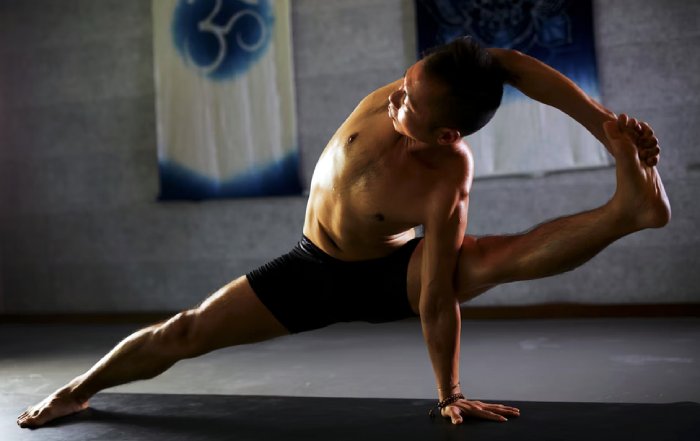
Yoga, Movement, and the Art of Longevity
Redefining Longevity in a Fast-Changing World
By 2026, longevity is no longer understood simply as adding years to life; it is increasingly viewed as the disciplined art of adding life to years, combining physical vitality, emotional balance, and cognitive clarity within a coherent lifestyle strategy that can be sustained over decades. Around the world, from the United States and Canada to Germany, Singapore, Japan, and South Africa, individuals and organizations are reassessing how they work, rest, move, and age, with a growing recognition that yoga, intelligent movement, and evidence-based wellness practices are central to this new paradigm. At the heart of this shift, QikSpa positions itself as a trusted guide, curating knowledge and experiences across spa and salon culture, holistic lifestyle design, and performance-driven health practices for a global, highly mobile audience.
Longevity has become a strategic concern not only for individuals but also for employers, healthcare systems, and policymakers. Institutions such as the World Health Organization emphasize that healthy life expectancy, rather than simple chronological age, will define the sustainability of economies and societies in the coming decades, especially as populations age in regions like Europe, North America, Japan, and increasingly China. As business leaders and professionals explore how to remain productive, creative, and resilient into later life, they are turning to integrated frameworks that combine yoga, functional movement, recovery, nutrition, and mental resilience, and they are looking for platforms such as the QikSpa wellness hub to translate complex science into actionable daily practice.
The Science of Movement and Healthy Aging
Contemporary research in exercise science and gerontology confirms that movement is one of the most powerful levers for healthy aging, influencing cardiovascular health, musculoskeletal strength, metabolic function, cognitive performance, and even emotional regulation. Organizations such as the American College of Sports Medicine and the National Institutes of Health consistently highlight that regular physical activity can reduce the risk of chronic diseases, including type 2 diabetes, cardiovascular disease, and certain cancers, while also improving mood and sleep quality. In parallel, studies published via platforms like PubMed continue to demonstrate that both aerobic and resistance training play a critical role in maintaining functional independence in later decades of life.
In this context, yoga occupies a distinctive position because it blends strength, flexibility, balance, breath control, and mindfulness within a single integrated modality. Research summarized by Harvard Medical School has shown that yoga can improve balance and mobility in older adults, reduce markers of inflammation, and support cardiovascular health, while also reducing symptoms of anxiety and depression. When combined with complementary movement practices such as walking, strength training, and low-impact cardio, yoga becomes a central pillar in a long-term strategy for vitality, something that is reflected across the QikSpa fitness insights, where movement is presented not as an isolated activity but as a daily investment in future capability.
Yoga as a Strategic Tool for Longevity
Although yoga is often perceived as a wellness trend, its roots stretch back thousands of years, and its modern evolution has been informed by both tradition and contemporary science. Leading institutions such as the Cleveland Clinic and Mayo Clinic now present yoga as a validated therapeutic adjunct for stress management, musculoskeletal pain, and cardiovascular risk reduction, emphasizing its adaptability across age groups and fitness levels. For a global audience concerned with performance in demanding professional environments, yoga offers a structured way to restore the nervous system, enhance focus, and maintain physical resilience without requiring excessive time or specialized equipment.
The art of longevity demands consistency, and yoga's versatility is one of its greatest strengths in this regard. Whether practiced in a boutique studio in London, a corporate wellness room in Singapore, a home in Toronto, or a retreat center in Bali, yoga can be tailored to context and capacity, from vigorous vinyasa sequences that elevate heart rate to restorative practices that emphasize deep relaxation and nervous system recalibration. Platforms like Yoga Journal have documented how different styles of yoga can be sequenced across the week to balance stress and recovery, and QikSpa builds on this by weaving yoga into a broader lifestyle narrative that encompasses spa and salon experiences, nutrition, and mental well-being.
Movement Intelligence: Beyond Exercise to Lifelong Function
In the longevity conversation, the distinction between "exercise" and "movement" is becoming more important; while structured workouts are valuable, it is the total daily movement pattern that shapes long-term outcomes. Research from bodies such as the World Economic Forum and OECD highlights how sedentary work patterns, especially in knowledge economies across the United States, United Kingdom, Germany, and Japan, contribute to rising healthcare costs and productivity losses. Movement intelligence, therefore, involves redesigning daily routines so that the body is used in diverse, functional ways, including walking meetings, standing workstations, micro-stretch breaks, and active commuting where possible.
Yoga contributes to this movement intelligence by enhancing proprioception, joint stability, and muscular balance, all of which are crucial for preventing injuries and maintaining independence with age. Studies published by the National Health Service (NHS) in the United Kingdom have underscored the importance of balance and strength training in fall prevention for older adults, and yoga's emphasis on single-leg stability, core engagement, and controlled transitions between postures directly supports these objectives. For readers of QikSpa health content, the implication is clear: a long life is not inherently valuable unless it is accompanied by the capacity to move confidently, safely, and pleasurably through daily life, and yoga-based movement is a highly efficient way to cultivate that capacity.
The Nervous System, Stress, and the Inner Architecture of Longevity
Modern longevity science increasingly recognizes that stress physiology is as important as cardiovascular metrics or muscle mass. Chronic activation of the sympathetic nervous system, driven by long work hours, digital overload, and economic uncertainty, is associated with elevated inflammation, impaired immunity, and accelerated biological aging. Institutions such as the American Psychological Association and Stanford Medicine have documented the impact of chronic stress on mental health, cognitive performance, and physical disease risk, reinforcing the need for reliable, repeatable tools to regulate the nervous system.
Yoga, particularly when integrated with breathwork and meditative focus, is uniquely suited to this challenge. Slow, diaphragmatic breathing has been shown to stimulate the vagus nerve and enhance parasympathetic activity, promoting relaxation and improved heart rate variability, a key biomarker of stress resilience. High-performing professionals in financial centers such as New York, London, Frankfurt, Singapore, and Hong Kong are increasingly turning to yoga-based practices as a counterweight to high-pressure work cultures. By weaving these practices into its lifestyle guidance, QikSpa encourages readers to view nervous system regulation not as a luxury, but as a foundational business skill that preserves cognitive sharpness, decision quality, and emotional stability over time.
Nutrition, Recovery, and the Synergy with Movement
Longevity cannot be reduced to movement alone; it is the interplay between nutrition, sleep, recovery, and physical activity that ultimately shapes outcomes. Leading research institutions such as the Harvard T.H. Chan School of Public Health and Johns Hopkins Medicine emphasize dietary patterns like the Mediterranean and plant-forward diets, which are associated with reduced cardiovascular risk, improved metabolic health, and enhanced cognitive function. For practitioners of yoga and regular movement, such dietary approaches provide the biochemical foundation for tissue repair, hormonal balance, and sustained energy.
Within this framework, QikSpa integrates yoga and movement with pragmatic nutritional strategies through its food and nutrition coverage, recognizing that global readers from Italy and Spain to Australia and Brazil need culturally adaptable guidance rather than rigid prescriptions. Recovery is equally central: organizations like the National Sleep Foundation and Sleep Foundation continue to highlight that insufficient sleep undermines immunity, increases injury risk, and impairs cognitive function, all of which compromise long-term health. Gentle evening yoga sequences, restorative postures, and breath practices can facilitate better sleep onset and quality, creating a virtuous cycle in which movement supports rest and rest enhances movement capacity.
Spa, Salon, and the Evolving Culture of Preventive Care
The spa and salon sector has undergone a profound transformation in recent years, evolving from a primarily cosmetic and indulgent industry into a more integrated, health-oriented ecosystem. In markets such as the United States, Canada, the United Kingdom, and the Nordics, consumers increasingly seek services that combine aesthetic outcomes with tangible health benefits, including stress reduction, improved circulation, and enhanced skin health. Industry analyses from organizations like Global Wellness Institute and McKinsey & Company indicate that wellness tourism and spa experiences are being reframed as preventive healthcare investments, particularly among affluent, urban professionals.
For QikSpa, this evolution is central to its mission, as the platform connects readers to the broader world of spa and salon innovation while situating those experiences within a holistic longevity strategy that includes yoga, fitness, and nutrition. Treatments such as therapeutic massage, hydrotherapy, infrared sauna, and advanced skincare are increasingly combined with yoga sessions and mindfulness workshops in integrated wellness retreats from Thailand and Bali to Italy and Costa Rica. This convergence underscores a key insight: when spa culture is aligned with evidence-based movement and lifestyle practices, it can become a powerful catalyst for long-term behavior change rather than a short-lived escape.
Women, Leadership, and the Future of Holistic Performance
Women are at the forefront of the global longevity movement, both as consumers and as leaders shaping the future of wellness, fashion, and corporate culture. Reports from organizations like UN Women and the World Economic Forum highlight that women often act as primary health decision-makers within households, influencing purchasing choices in healthcare, nutrition, and wellness services across North America, Europe, Asia, and Africa. At the same time, female leaders in business, politics, and the creative industries increasingly advocate for workplace policies that recognize the importance of mental health, flexible work, and inclusive wellness programs.
Yoga has particular resonance for women because it offers a scalable, adaptable framework that can support health across life stages, from early career and family formation to perimenopause and beyond. Research from institutions such as The North American Menopause Society suggests that yoga and mindfulness-based practices can help alleviate menopausal symptoms, improve sleep, and support mood stability, which is critical for sustaining leadership performance. Reflecting this, QikSpa places a strong emphasis on women's perspectives within its women-focused content, highlighting how yoga, movement, and holistic self-care can be integrated into demanding careers in finance, technology, law, healthcare, and the arts.
Sustainable Wellness and Planet-Conscious Longevity
Longevity in 2026 cannot be discussed in isolation from environmental sustainability; a long, healthy life on an unhealthy planet is a contradiction in terms. Climate change, air pollution, and resource depletion all have direct implications for public health, as documented by organizations such as the Intergovernmental Panel on Climate Change (IPCC) and the United Nations Environment Programme. As consumers become more conscious of their environmental footprint, they are demanding that wellness practices, products, and destinations align with principles of sustainability, from eco-certified spa facilities to ethically sourced yoga apparel and plant-based nutrition.
This convergence of personal and planetary health is reflected in QikSpa's commitment to sustainable wellness perspectives, where readers can explore how to align yoga, travel, nutrition, and beauty choices with environmental responsibility. Leading brands in Europe, North America, and Asia-Pacific are investing in greener spa architecture, renewable energy, and low-impact product formulations, while wellness tourism boards from countries such as New Zealand, Costa Rica, and Norway promote nature-immersive experiences that encourage both physical activity and ecological awareness. For individuals pursuing longevity, this alignment between personal vitality and environmental stewardship adds a deeper sense of meaning and responsibility to their wellness journey.
Global Travel, Cross-Cultural Learning, and the Longevity Mindset
The globalization of wellness has enabled unprecedented cross-cultural exchange, allowing practices from India, China, Japan, Scandinavia, and the Mediterranean to inform a more nuanced, inclusive understanding of healthy aging. Wellness travel has expanded from niche retreats to a mainstream segment of the tourism industry, with destinations in Thailand, Italy, Spain, and Mexico offering integrated programs that combine yoga, spa treatments, nutrition education, and outdoor activities. Organizations such as UNWTO (United Nations World Tourism Organization) have noted the rapid growth of wellness tourism, particularly among travelers from the United States, Europe, and increasingly China and Southeast Asia, who seek experiences that restore body and mind while exposing them to new cultural perspectives.
For QikSpa, which serves a geographically diverse readership, this trend underscores the importance of curating global insights through its international coverage and travel features, enabling readers to understand how different cultures approach longevity and how those lessons can be integrated into their own lives. From Japanese forest bathing traditions and Scandinavian cold-water immersion to Mediterranean slow-food culture and Indian yoga lineages, these cross-cultural practices share a common thread: they embed movement, rest, and community into daily life rather than treating wellness as a separate, time-boxed activity.
Careers, Performance, and the Business Case for Longevity
In boardrooms from New York and London to Zurich, Singapore, and Sydney, longevity is increasingly framed as a business and careers issue rather than merely a personal lifestyle choice. Organizations such as Deloitte and PwC have published analyses on the economic implications of aging workforces and the need for companies to redesign work to support longer, healthier careers. Employers are recognizing that burnout, chronic stress, and preventable lifestyle-related illnesses carry significant costs in terms of absenteeism, presenteeism, turnover, and healthcare expenditure, and they are beginning to invest more seriously in integrated wellness strategies that include yoga, movement programs, stress management training, and flexible work structures.
This shift aligns closely with the editorial direction of QikSpa's business and careers sections and careers insights, which explore how professionals can cultivate sustainable performance across decades rather than sprinting through the early stages of their working lives and paying the price later. In sectors such as technology, finance, healthcare, and consulting, where cognitive load and time pressure are high, yoga and movement practices are increasingly incorporated into executive coaching, leadership development programs, and corporate retreats, with measurable benefits in terms of focus, creativity, and emotional intelligence.
Beauty, Fashion, and the Aesthetics of Aging Well
The concept of beauty has undergone a subtle but profound transformation as longevity has moved to the center of cultural conversation. Rather than aspiring to static, youth-centric ideals, many consumers now embrace an aesthetic of vitality, authenticity, and self-expression that evolves with age. Leading fashion houses and beauty brands across Paris, Milan, New York, and Seoul are featuring older models and ambassadors, reflecting a broader cultural shift toward celebrating lived experience and individuality. Publications and organizations such as British Vogue and Allure have documented this change, noting that skincare, haircare, and cosmetic products are increasingly marketed as tools for supporting healthy, radiant aging rather than erasing signs of time.
Yoga and movement contribute to this new aesthetic by enhancing posture, muscle tone, circulation, and skin quality, while also cultivating a grounded, confident presence that transcends purely external measures. QikSpa connects these threads across its beauty and fashion coverage, emphasizing that true beauty in the longevity era is inseparable from health, emotional balance, and self-care. In this sense, the art of longevity is not about resisting age, but about embracing it with intention, supported by daily practices that keep the body strong, the mind clear, and the spirit engaged.
The QikSpa Perspective: Integrating Yoga, Movement, and Modern Life
As global interest in longevity intensifies, the challenge is no longer access to information but the ability to filter, interpret, and implement it within real-world constraints. Professionals juggling demanding careers in cities from Los Angeles and Toronto to Berlin, Dubai, and Tokyo need frameworks that respect their time, cultural context, and personal goals. QikSpa responds to this need by acting as an integrator, bringing together expertise in yoga, spa culture, nutrition, mental health, sustainable living, and global travel into a coherent ecosystem that readers can navigate through its central platform.
The art of longevity, as it emerges in 2026, is not defined by a single discipline or trend; it is the thoughtful orchestration of many elements-daily movement, intelligent yoga practice, restorative sleep, nutrient-dense food, meaningful relationships, purposeful work, and environmental responsibility. For readers across North America, Europe, Asia, Africa, and South America, the opportunity lies in designing a personal longevity strategy that is both ambitious and realistic, informed by global best practices yet tailored to individual circumstances. By continuously curating insights, experiences, and expert perspectives, QikSpa invites its audience to view yoga and movement not as isolated activities, but as the living architecture of a long, vibrant, and deeply engaged life.
