
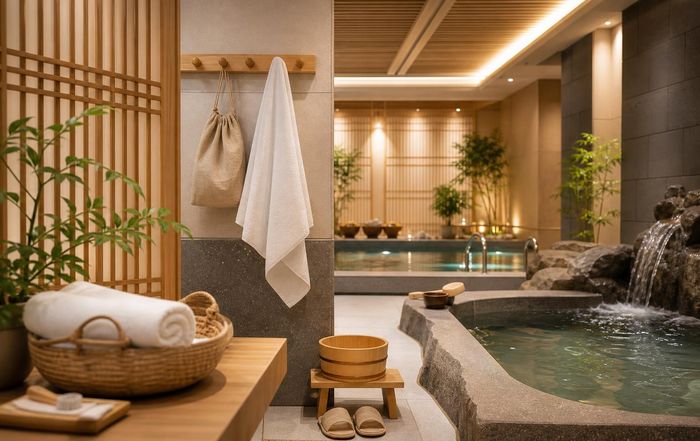
A Guide to Spa Etiquette in South Korea
Public bathhouses and spas are woven into everyday life in South Korea. From traditional jjimjilbang (24-hour bathhouse-saunas) to sleek urban wellness spas, these spaces are as much about social connection and rest as they are about getting clean. For visitors used to private bathrooms and swimsuit-friendly hotel spas, the customs can feel intimidating at first, especially the expectation of nudity in same-sex bathing areas. Yet with a bit of preparation, the experience can be one of the most relaxing and culturally rich parts of a trip.
This guide explains how Korean spa culture works, what to expect step by step, and the etiquette that helps everyone feel comfortable. It also highlights health and hygiene considerations, along with tips for choosing facilities that match your comfort level and wellness goals.
Understanding Korean spa culture
Korean bath culture has roots in communal bathing traditions that existed long before modern plumbing. Today, jjimjilbang combine hot and cold baths, saunas, sleeping areas, snack bars and sometimes even game rooms and cinemas under one roof. Many operate 24 hours, making them a budget-friendly place to relax, socialize, or even sleep overnight. They sit at the intersection of wellness, social life, and everyday routine.
In most jjimjilbangs, the building is divided into two main zones. Same-sex bath areas (mogyoktang) are nude and include showers, soaking pools, steam rooms, and sometimes body scrub services. Co-ed areas are where guests wear a provided cotton outfit and enjoy dry saunas, heated rooms, relaxation spaces, nap zones, and food. While luxury hotel spas and beauty-focused urban spas may feel more international, even they often follow the same basic structure for wet and dry zones.
The social aspect is central. Families visit together, couples meet in the co-ed areas, and groups of friends might spend hours talking in heated rooms or lying on warm floors. For many Koreans, a jjimjilbang is as normal as a café. Understanding this helps visitors approach the experience less as a novelty and more as a window into local lifestyle and everyday self-care.
Health and hygiene are also taken seriously. Public health authorities such as the Korea Disease Control and Prevention Agency (KDCA) provide guidance to bathhouse operators on water quality, ventilation, and infection control, and local governments inspect facilities. International travelers who want to understand broader bathing-related hygiene and infection risks can also consult organizations such as the World Health Organization and the U.S. Centers for Disease Control and Prevention, which publish general advice on spas, pools, and hot tubs.
Types of Korean spas and what to expect
Not all Korean spas look or feel the same. Knowing the main types can help visitors choose a setting that fits their comfort level and wellness interests, whether they are focused on beauty, health, or simply a quiet place to unwind.
Traditional jjimjilbangs are usually large, multi-story complexes popular with families and groups. After paying at the front desk, guests receive a locker key, small towels, and a cotton outfit. The wet zones are separated by sex and fully nude; the co-ed dry zones feel more casual and may include TV lounges, heated stone rooms at different temperatures, cold rooms, charcoal or jade rooms, and large open floors where people nap on mats. Food courts offer everything from simple rice dishes to classic spa snacks like baked eggs and sweet rice drinks. These venues can be noisy and lively, particularly on weekends.
Urban day spas and beauty spas often focus more on skincare, massage, and body treatments. Many still include wet zones with baths and saunas, but the overall feel is quieter and more design-driven, with menus of facials, aromatherapy, and slimming treatments that align closely with Korea's wider beauty industry. These facilities may be more familiar to international visitors used to European-style or hotel spas, though basic etiquette around nudity, showering, and quiet still applies.
Hotel and resort spas in major cities and coastal destinations typically cater to business travelers and tourists. Some adopt international norms such as allowing swimsuits in certain pools, especially in mixed-gender areas, while maintaining Korean customs in same-sex saunas and bath zones. Wellness-focused hotels may combine spa services with fitness centers, yoga classes, and healthy dining, reflecting broader trends in global spa and salon culture.
For visitors who prefer to keep swimsuits on, there are also water parks, family pools, and some "spa theme parks" where the focus is more on fun than traditional bathing. In these settings, signage and rules may differ, so it is worth checking each facility's website or contacting them in advance. Travel resources such as the Korea Tourism Organization at VisitKorea and international travel guides like Lonely Planet and Rough Guides offer overviews of well-known jjimjilbangs and hotel spas and can help set expectations.
Step-by-step: a typical jjimjilbang visit
While each spa has its quirks, the basic sequence tends to be similar, and understanding it removes much of the uncertainty for first-time visitors.
On arrival, guests pay an entrance fee at reception. This may differ for daytime and overnight stays, and extra services like scrubs or massages are charged separately. Many spas provide a waterproof wrist key or bracelet that unlocks a small shoe locker near the entrance and tracks any purchases in the café or shop. Shoes are removed immediately and stored; from this point on, guests walk barefoot or in the provided slippers if available.
After leaving footwear behind, visitors proceed to the gender-segregated locker rooms. Here they receive a larger locker for clothes and belongings, along with small towels and a cotton outfit for the co-ed areas. It is common to see people chatting, drying their hair, or watching TV in these spaces. Valuables are generally safe in lockers at reputable facilities, but using the smallest bag possible and leaving passports or large sums of cash in a hotel safe is still sensible. Consumer travel advisories from bodies like the U.S. Department of State and the UK Foreign, Commonwealth & Development Office encourage the usual precautions with personal property in any shared environment.
Once undressed, guests enter the wet area. The first and most important rule is to shower thoroughly before using any bath or sauna. Rows of sit-down shower stations with handheld sprayers, stools, and toiletries are standard. Locals will often spend several minutes washing and rinsing from head to toe; a quick rinse is not considered sufficient. Only after washing properly should guests move to the hot, warm, and cold pools, steam rooms, or jacuzzis, rotating between them at their own pace and staying hydrated.
After bathing, many people dry off, change into the provided cotton outfit, and head to the co-ed jjimjilbang area. Here, the mood is relaxed and communal rather than spa-silent. Guests move between heated rooms of varying temperatures, lie on warm floors, snack, or nap. It is normal to spend several hours here, and some stay overnight, using thin mats or rented blankets. When finished, visitors return to the locker rooms, shower again if they like, dress, settle any charges at the front desk, and collect their shoes.
Nudity, modesty, and comfort
For many international visitors, the biggest mental hurdle is nudity in the same-sex bath areas. In Korea, this is neither sexualized nor remarkable; it is simply practical and hygienic. Understanding how modesty works in context can make the experience less daunting.
Within the wet zones, full nudity is required; swimsuits, underwear, and rash guards are not permitted because they are seen as unhygienic in shared baths. Small towels can be used to cover oneself when walking between pools or saunas, but most people do not make much effort to hide. Eye contact tends to be brief, and people focus on their own routines. Different generations bathe together, and it is common to see parents with children, older women or men, and young adults all sharing the same space.
Visitors who feel nervous can ease in gradually. Going at off-peak times, such as weekday mornings, usually means fewer people and a calmer atmosphere. Starting with a quick shower and a short soak in a corner of a pool, or spending more time in the co-ed clothed areas, can help build confidence. Some travelers choose to visit with a trusted friend of the same gender, which can feel less exposing than going alone. Travel forums and communities, including broader platforms like Tripadvisor and Reddit, often contain personal accounts that can reassure first-timers, though they are not official sources.
Body diversity is visible in jjimjilbangs, and while Korean beauty standards are often portrayed as strict, the bathhouse environment is typically more accepting than many expect. Scars, stretch marks, and different body types are common, and people rarely react. Visitors with tattoos should be aware that while South Korea does not have the same strict tattoo bans as some Japanese onsen, visible tattoos can still carry social stigma for older generations. Most jjimjilbangs allow them, but a few more traditional venues may restrict heavily tattooed guests; checking house rules in advance, when possible, is wise.
Core etiquette in Korean spas
Certain behaviors are considered basic manners in Korean spas, and following them makes the experience smoother for everyone. Most rules are about cleanliness, respect, and maintaining a calm atmosphere, even in lively jjimjilbangs.
Thorough washing before entering any pool is non-negotiable. This includes using soap, rinsing shampoo from hair, and ensuring no traces of lotion, sunscreen, or makeup remain. Entering a hot bath without washing properly is one of the few things that can draw visible disapproval. Long hair should be tied up so it does not trail in the water, and people with open wounds or contagious skin conditions are expected to avoid shared baths altogether, in line with public health advice similar to that given by organizations like the European Centre for Disease Prevention and Control.
Noise levels depend on the area. In wet zones, conversations are usually quiet and low-key; shouting or loud laughter is frowned upon. In co-ed jjimjilbang areas, chatting is normal, but people still avoid disturbing those who are sleeping nearby. Phones are typically allowed only in clothed, dry areas, and even there, calls are kept short and discreet. Taking photos or videos anywhere near bathing or locker areas is strictly unacceptable and may lead to being asked to leave.
Respecting shared spaces also means not reserving spots unnecessarily or spreading belongings across multiple mats or chairs. In saunas, guests usually sit or lie on small towels to keep the wooden benches clean. Bringing outside food or alcohol is often prohibited, and intoxicated behavior is not tolerated. Facilities may post their own house rules at reception or in locker rooms, and it is worth scanning these, even if only in translation apps, to avoid misunderstandings.
Tipping is not a strong norm in South Korea, including in spas. Staff wages are generally included in service prices, and leaving cash can sometimes cause confusion. However, in more international hotel spas, tipping may be accepted or even expected for massages or specialized treatments; front desk staff can clarify. This contrasts with spa cultures in North America or parts of Europe, where gratuities are more routine, and visitors may need to adjust expectations accordingly.
Treatments, scrubs, and touch
Beyond bathing and saunas, many Korean spas offer treatments that may feel more vigorous than their Western counterparts. The most famous is the seshin or body scrub, where an attendant exfoliates the entire body using a textured mitt, often while the guest lies on a plastic-covered table in the wet area.
These scrubs are typically carried out nude (with minimal draping) in same-sex zones by attendants of the same gender. They can be intense, with firm pressure and brisk movements that remove large amounts of dead skin. For people used to gentle spa rituals, the experience can be surprising, but many regulars swear by the smooth, refreshed feeling afterward. Communicating sensitivity or previous injuries is important; even if staff speak limited English, pointing to an area and saying "soft" or "no" is usually understood.
Other treatments may include oil massages, foot reflexology, facial masks, or hair care. Urban beauty spas often align treatments with K-beauty trends, offering multi-step facials, LED light therapy, or specialized scalp care, drawing on research and ingredients promoted by major Korean skincare brands. International visitors who want to evaluate claims about skincare ingredients or devices can consult independent resources such as the American Academy of Dermatology at AAD or consumer-oriented science platforms like Harvard Health Publishing, which provide evidence-based context on exfoliation, heat exposure, and skin health.
Booking treatments may require writing one's name and time on a sheet at the treatment desk or asking staff at reception. In busy jjimjilbangs, it is common to wait in a designated area until an attendant calls your locker number. Prices are usually posted clearly; if not, asking in advance avoids surprises. As with any hands-on service, guests have the right to say no, stop a treatment they find uncomfortable, or decline optional add-ons.
Health, safety, and hygiene considerations
For most healthy people, using Korean baths and saunas is safe and can be a beneficial part of a broader wellness routine, complementing practices like yoga, mindful breathing, and balanced food and nutrition. However, it is important to understand how heat, humidity, and shared water interact with individual health conditions.
Medical organizations such as the Mayo Clinic and Cleveland Clinic note that saunas and hot tubs can temporarily raise heart rate and lower blood pressure. People with cardiovascular disease, uncontrolled high blood pressure, or respiratory conditions should consult their doctor before using very hot facilities or staying in saunas for extended periods. Pregnant visitors are often advised to avoid high-temperature saunas and extremely hot baths, especially in the first trimester, because prolonged overheating can pose risks to fetal development.
Hydration is crucial. Hot environments increase fluid loss through sweat, and jjimjilbangs can tempt guests to spend hours cycling between saunas and baths. Drinking water regularly, taking breaks in cooler rooms, and avoiding alcohol before or during spa visits help reduce the risk of dizziness or fainting. Most facilities provide water dispensers in common areas; bringing a small personal bottle is usually acceptable in clothed zones, though not in pools.
Shared water environments always carry a low but real risk of skin and fungal infections. Public health agencies like the Public Health Agency of Canada and the Australian Department of Health and Aged Care emphasize that well-maintained pools and baths manage this risk through filtration, disinfectants, and regular cleaning. Choosing reputable spas, avoiding facilities that smell strongly of mold or chemicals, and not entering pools with visible cloudiness or debris are simple precautions.
Visitors with open cuts, athlete's foot, or other active skin issues should avoid baths and saunas until healed, both to protect themselves and other guests. Wearing flip-flops or shower shoes in locker rooms and shower areas, when allowed, further reduces the chance of picking up fungal infections. People with chronic conditions such as eczema may find that heat aggravates symptoms; limiting time in very hot rooms and moisturizing after bathing can help.
Practical tips for a smooth experience
A bit of preparation can make a Korean spa visit feel less like a test of confidence and more like the restorative ritual it is intended to be. From packing to timing, small choices can shape how comfortable the day feels.
Most jjimjilbangs provide the basics: small towels, a cotton outfit for co-ed areas, soap or body wash, and sometimes shampoo. However, bringing personal toiletries such as facial cleanser, conditioner, and moisturizer can be more comfortable, especially for those with sensitive skin or a carefully tuned skincare routine. A hairbrush, simple makeup items, and a clean change of underwear are also useful if heading out afterward. For travelers interested in sustainable self-care, solid shampoo bars and refillable containers can reduce plastic waste, aligning with broader sustainable lifestyle choices.
Timing matters. Evenings and weekends, particularly Saturday nights, are often the busiest, with families and groups staying late or overnight. Those who prefer a quieter atmosphere might choose weekday mornings or early afternoons. In major cities like Seoul and Busan, some jjimjilbangs near transport hubs can be crowded with travelers using them as budget accommodation; others in residential neighborhoods may feel more local and relaxed.
Language barriers are usually manageable. Basic signs often include English, and staff are accustomed to visitors who are not familiar with the system. Watching what others do in locker rooms and wet areas is an easy way to learn. Translation apps can help with treatment menus or house rules. Travel information from the Korea Tourism Organization is available in multiple languages and can be a helpful reference before visiting.
Finally, it helps to approach the experience with curiosity rather than performance anxiety. Perfection is not expected; genuine effort to follow hygiene rules, keep noise down, and respect others' space is usually enough. Many visitors find that once the initial awkwardness of nudity passes, the rhythm of hot and cold, rest and conversation, becomes one of the most memorable parts of their time in South Korea. For those exploring global wellness cultures-from Nordic saunas to Japanese onsen and beyond-Korean jjimjilbangs offer a distinctive blend of community, relaxation, and everyday ritual that can reshape how we think about rest.
