
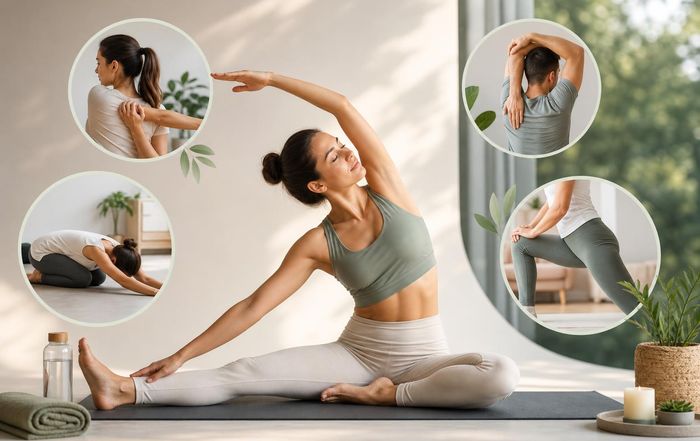
Stretching Techniques for Everyday Wellness in 2026: A Strategic Guide for Modern Lives
Stretching as a Strategic Wellness Asset
By 2026, stretching has evolved from a simple pre-workout ritual into a strategic pillar of everyday wellness, with individuals and organizations increasingly recognizing that structured flexibility training can influence productivity, mental clarity, and long-term health outcomes. As remote and hybrid work patterns persist across the United States, United Kingdom, Germany, Canada, Australia, and other leading economies, prolonged sitting, digital fatigue, and rising musculoskeletal complaints have made accessible stretching techniques a priority rather than a luxury. Against this backdrop, QikSpa positions stretching not merely as a physical practice, but as an integrated lifestyle asset that connects spa culture, health science, beauty, performance, and sustainable living into one coherent daily routine.
In this environment, stretching has become a key theme across the broader wellness ecosystem that QikSpa curates, touching on spa and salon experiences, holistic wellness, long-term health, functional fitness, and the aesthetics of posture and movement featured in contemporary beauty and fashion. As global organizations and health authorities such as the World Health Organization emphasize the importance of physical activity for reducing noncommunicable diseases, stretching emerges as one of the most accessible, low-cost, and inclusive practices to bridge the gap between sedentary lifestyles and active, resilient bodies. Readers who integrate these techniques into their daily routines are not only investing in comfort and mobility today, but also building a foundation for healthy aging, career longevity, and sustainable performance.
The Science of Stretching in 2026
Modern research has refined the understanding of stretching far beyond the traditional notion of simply "holding a pose." Institutions such as Harvard Medical School have explained how stretching affects muscles, tendons, and joints by improving range of motion, enhancing blood flow, and supporting better posture, while also influencing the nervous system's perception of tension and relaxation. Learn more about how flexibility contributes to healthy aging and joint function through resources from Harvard Health Publishing. In parallel, the Mayo Clinic has highlighted that regular stretching can help maintain joint health, reduce the risk of injuries, and alleviate muscle tightness associated with desk work and repetitive tasks, which is particularly relevant for professionals in technology, finance, creative industries, and spa and salon environments where repetitive motions are common.
At a physiological level, stretching gently lengthens muscle fibers and connective tissues, which can reduce stiffness and improve functional range of motion that is essential for everyday tasks such as reaching, bending, lifting, and walking. Cognitive and emotional benefits are increasingly recognized as well, with studies reported by Cleveland Clinic and other leading health systems showing that stretching can lower perceived stress, enhance body awareness, and support better sleep quality by activating the parasympathetic nervous system. To explore the connection between flexibility and stress reduction, readers can review guidance from Cleveland Clinic. For the global audience across Europe, Asia, North America, and beyond, this emerging body of evidence underscores that stretching is not a marginal fitness element but a central, science-backed practice for modern wellness.
Static, Dynamic, and PNF: Techniques that Matter
Understanding the main categories of stretching allows individuals and businesses to design more effective routines and programs. Static stretching, the most familiar form, involves holding a position for a set period, typically 15 to 60 seconds, to gently lengthen a muscle group. Dynamic stretching, by contrast, uses controlled, repetitive movements that gradually increase range of motion, often used as part of a warm-up before physical activity. Proprioceptive neuromuscular facilitation (PNF) stretching, more advanced and often practiced with a partner or therapist, combines contraction and relaxation phases to achieve deeper flexibility gains and is frequently used in clinical or athletic environments.
Organizations such as American Council on Exercise (ACE) and National Academy of Sports Medicine (NASM) have offered clear frameworks for when and how to apply each method, emphasizing that dynamic stretching is generally more appropriate before workouts or intense activity, while static stretching is better suited for post-activity or dedicated flexibility sessions. Professionals interested in evidence-based training methodologies can review guidelines from ACE and continue exploring performance-oriented insights from NASM. For spa and wellness businesses, understanding these distinctions is crucial when designing signature stretching services, group classes, or digital programs that complement massage, yoga, and fitness offerings. QikSpa integrates this knowledge across its spa and salon and fitness coverage, enabling practitioners and clients to choose the right techniques for their goals and lifestyles.
Everyday Stretching for Desk-Based Professionals
For knowledge workers in New York, London, Berlin, Toronto, Sydney, Singapore, and beyond, the workday often involves extended periods at a desk or screen, contributing to tight hip flexors, rounded shoulders, neck strain, and lower back discomfort. Everyday stretching techniques tailored to these realities can be integrated into micro-breaks throughout the day, without the need for special equipment or large spaces. Simple neck stretches, gentle spinal rotations while seated, chest-opening stretches against a wall, and hip flexor stretches performed beside the desk can significantly reduce cumulative tension and improve posture, which in turn supports more confident professional presence and reduces fatigue.
Organizations like Occupational Safety and Health Administration (OSHA) and leading ergonomics researchers have long highlighted the importance of movement breaks to mitigate the risks associated with prolonged sitting and static postures. Those interested in workplace ergonomics and movement strategies can explore more at OSHA. For global businesses, integrating guided stretching sequences into meeting schedules, virtual collaboration platforms, or corporate wellness programs can yield measurable benefits in employee engagement, reduced musculoskeletal complaints, and lower absenteeism. QikSpa's business and careers sections increasingly reflect this intersection of personal wellness and professional performance, recognizing that stretching is an essential element of long-term career sustainability in high-demand industries.
Integrating Stretching into Holistic Health and Wellness
Stretching is most effective when embedded within a broader lifestyle that includes balanced nutrition, adequate sleep, emotional resilience, and regular physical activity. The World Health Organization continues to recommend at least 150 to 300 minutes of moderate-intensity aerobic activity per week for adults, complemented by muscle-strengthening and mobility work, as part of a comprehensive strategy to reduce the risk of cardiovascular disease, diabetes, and certain cancers. Readers can review global guidelines on physical activity at the World Health Organization. Within this framework, stretching serves as a bridge between movement and recovery, supporting joint health and muscular balance while providing a mindful pause in busy schedules.
On QikSpa, stretching is closely aligned with broader health and wellness narratives, including stress management, mental clarity, and preventive care. When combined with mindful breathing, stretching can resemble a meditative practice that calms the nervous system, making it particularly valuable for professionals in high-pressure sectors such as finance, technology, healthcare, and hospitality across Japan, South Korea, France, Italy, and Spain, where burnout and mental health concerns have become prominent topics. By presenting stretching as a daily ritual rather than an occasional intervention, QikSpa encourages readers to see it as an integral component of their personal wellness strategy, seamlessly integrated into morning routines, mid-day resets, and evening wind-downs.
The Intersection of Stretching, Beauty, and Spa Culture
In the global spa and salon industry, stretching has moved from the periphery to the center of many service menus, reflecting a shift toward more holistic, results-driven experiences. Luxury spas in Switzerland, Netherlands, Denmark, and Norway, as well as wellness retreats in Thailand, Bali, and New Zealand, are increasingly offering assisted stretching sessions, movement-based body treatments, and integrated programs that combine massage, mobility work, and mindfulness. These offerings are designed to improve posture, fluidity of movement, and overall body alignment, which in turn enhance the visible aspects of beauty that clients seek, such as graceful gait, confident stance, and relaxed facial expression.
Leading beauty and wellness brands, along with organizations like International Spa Association (ISPA), have documented the rising demand for treatments that blend aesthetics with functional benefits, reflecting a consumer shift from purely cosmetic outcomes to deeper, long-term well-being. Industry professionals can explore sector insights through ISPA. On QikSpa, the convergence of stretching, beauty, and spa and salon experiences is presented as a natural evolution, where clients understand that flexible, well-aligned bodies contribute to the effectiveness of skincare, body treatments, and even hair and makeup services, since tension patterns in the body often manifest in the face, shoulders, and overall posture.
Stretching, Fitness, and Performance Across Continents
For fitness enthusiasts and athletes across South Africa, Brazil, Malaysia, and Finland, as well as established fitness markets in North America and Europe, stretching has long been part of training routines, but its strategic role has become more nuanced. Rather than static stretching alone, contemporary performance programs emphasize dynamic warm-ups, sport-specific mobility drills, and targeted post-training flexibility work that address common imbalances and overuse patterns. Global fitness organizations and platforms, along with research shared by National Institutes of Health (NIH), have contributed to a more evidence-based approach, clarifying when stretching can support performance and when it should be adjusted to avoid temporary reductions in power output before high-intensity events. Readers interested in the scientific literature on flexibility and performance can explore resources from the NIH.
Within the QikSpa ecosystem, stretching is framed as a critical complement to cardiovascular and strength training, particularly in the fitness and lifestyle sections, where the focus is on sustainable, long-term engagement rather than short-term transformations. For recreational runners in Canada, cyclists in Netherlands, skiers in Switzerland, and surfers in Australia, integrating consistent stretching routines can improve movement efficiency, reduce injury risk, and support faster recovery, allowing individuals to enjoy their chosen activities over decades rather than seasons. This performance-oriented perspective positions stretching as an investment in physical capital, much like financial planning is an investment in economic security.
Yoga, Mindfulness, and the Deeper Dimensions of Stretching
The modern popularity of yoga across India, United States, United Kingdom, and Asia-Pacific has significantly influenced how global audiences perceive stretching, blending physical postures with breathwork, mindfulness, and philosophical perspectives on balance and presence. Organizations such as Yoga Alliance have helped standardize teacher training and practice guidelines, ensuring that stretching-based postures are taught with respect for alignment, safety, and the diverse needs of practitioners. Those seeking more structured insights into yoga's role in flexibility and mental well-being can consult Yoga Alliance.
For QikSpa, the yoga category serves as a bridge between technical stretching techniques and deeper practices of self-awareness and emotional regulation. While not every stretching routine is a yoga session, the principles of mindful movement, non-competitive practice, and respect for individual limits are increasingly applied to everyday stretching protocols, whether in a corporate office in Singapore, a co-working space in Berlin, or a home environment in New Zealand. By encouraging readers to approach stretching with curiosity and attentiveness rather than haste, QikSpa highlights how even brief daily sequences can become anchors of calm and clarity in demanding professional and personal lives.
Nutrition, Recovery, and the Role of Food in Flexibility
Stretching outcomes are closely connected to broader recovery strategies, including hydration, nutrition, and sleep. Adequate intake of minerals such as magnesium, calcium, and potassium, along with sufficient protein and anti-inflammatory nutrients, supports muscle function and tissue repair, while dehydration and poor dietary patterns can exacerbate cramping, stiffness, and fatigue. Institutions like Academy of Nutrition and Dietetics and Harvard T.H. Chan School of Public Health have emphasized the role of balanced diets in maintaining musculoskeletal health and overall well-being. Readers can explore practical guidance on nutrition and physical performance at the Academy of Nutrition and Dietetics.
By integrating stretching insights with food and nutrition content, QikSpa encourages readers worldwide-from Japan and China to France and Italy-to see meals, hydration habits, and recovery routines as part of one coherent system. A professional in London who stretches daily but neglects hydration or sleep will not experience the same benefits as a counterpart in Toronto who combines consistent stretching with nutrient-dense meals, adequate rest, and periodic digital detox. This integrated approach reflects a mature understanding of wellness in 2026, where isolated practices are replaced by interconnected, evidence-informed lifestyles.
Stretching for Women's Health and Life Transitions
Women across Global markets face unique musculoskeletal and hormonal considerations throughout life stages such as pregnancy, postpartum recovery, perimenopause, and menopause. Stretching techniques tailored to these phases can support pelvic stability, reduce lower back discomfort, alleviate joint stiffness, and enhance circulation, contributing to both comfort and functional independence. Organizations such as American College of Obstetricians and Gynecologists (ACOG) have highlighted the value of safe, moderate physical activity, including flexibility work, across the female life course, with appropriate medical guidance. Those interested in clinical perspectives on movement and women's health can review resources from ACOG.
On QikSpa, the women and health sections give special attention to how stretching can be adapted for different life stages and cultural contexts, from professionals balancing careers and family in South Korea and Singapore, to active retirees in Scandinavia, to entrepreneurs in South Africa building wellness-focused businesses. By addressing women's specific needs in a detailed and respectful manner, QikSpa reinforces its commitment to experience, expertise, authoritativeness, and trustworthiness, ensuring that stretching guidance is inclusive, realistic, and aligned with contemporary medical and wellness standards.
Global Mobility: Stretching for Travelers and International Lifestyles
As international travel rebounds and evolves in 2026, professionals, digital nomads, and leisure travelers are once again navigating long flights, changing time zones, and irregular schedules. Prolonged sitting during air or rail travel can contribute to stiffness, swelling, and increased risk of circulatory issues, making in-transit stretching and movement strategies essential. Aviation and health authorities, along with organizations like Centers for Disease Control and Prevention (CDC), have provided general guidance on in-flight movement and hydration to reduce the risk of deep vein thrombosis and other complications. Travelers can review health recommendations for long-distance journeys at the CDC.
Within QikSpa's travel and international coverage, stretching is presented as a travel companion that supports resilience and comfort in airports, hotel rooms, and co-working spaces from Dubai to Los Angeles to Tokyo. Simple ankle circles, calf stretches, spinal twists, and shoulder rolls can be performed discreetly in seats or aisles, while more comprehensive sessions can be integrated upon arrival to help reset the body after long-haul flights. By framing stretching as a non-negotiable component of travel hygiene-alongside hydration, sleep management, and light exposure-QikSpa speaks directly to the needs of a mobile, globally engaged readership.
Stretching, Sustainable Living, and the Future of Everyday Wellness
Finally, stretching aligns naturally with the principles of sustainable living that are increasingly important to individuals and organizations worldwide. As consumers in Europe, Asia, Africa, and the Americas seek wellness practices that are low-impact, cost-effective, and environmentally responsible, stretching stands out as a practice that requires no energy-intensive equipment, minimal space, and can be performed virtually anywhere. Sustainability-focused organizations and thought leaders have emphasized that personal health behaviors that rely on bodyweight, nature, and simple routines, rather than resource-intensive infrastructures, contribute to a more balanced relationship with the planet. Learn more about sustainable business practices and the intersection of health and environment through resources from United Nations Environment Programme.
For QikSpa, the sustainable and lifestyle categories frame stretching as a lifelong, environmentally gentle habit that supports not only individual well-being but also a broader cultural shift toward mindful consumption and intentional living. A global professional in Netherlands who replaces one car-based errand with a walking commute and a post-walk stretching session, or a family in Canada who integrates evening stretches instead of screen time, are making small but meaningful contributions to both personal and planetary health. In this sense, stretching becomes more than a technique; it becomes a statement of values, reinforcing QikSpa's mission to guide readers toward a future where everyday wellness, business performance, and sustainable choices are aligned.
As stretching continues to gain prominence in 2026 across spa and salon environments, corporate wellness programs, athletic training, and home routines, QikSpa remains committed to providing nuanced, trustworthy, and globally relevant guidance. By connecting evidence-based techniques with real-world contexts-from boardrooms and beauty studios to yoga mats and airport lounges-QikSpa invites its worldwide audience to view stretching not as an optional extra, but as a daily, strategic practice that supports health, beauty, performance, and sustainable living for years to come. Readers can explore more integrated perspectives on wellness, business, and lifestyle across the QikSpa platform at qikspa.com.
