
The Rise of Express Beauty Services: Speed, Science, and Self-Care
A New Era of Beauty Meets a Faster World
The global beauty and wellness landscape has shifted decisively toward speed, personalization, and measurable results, and nowhere is this more evident than in the explosive growth of express beauty services. From 15-minute facials in London and New York to lunchtime blowouts in Singapore and Seoul, consumers are increasingly choosing services that fit into demanding schedules without compromising on quality, safety, or outcomes. For this wonderful website dedicated to connecting happy readers with the most relevant insights across spa and salon, health, wellness, beauty, and lifestyle, the rise of express beauty is not just a trend; it is a structural transformation in how people invest in their appearance, manage stress, and define self-care.
The acceleration of this movement has been driven by several converging forces: urbanization, the normalization of hybrid work, growing awareness of mental health, and the maturation of professional skincare and haircare technologies that deliver visible results in less time. As leading research from organizations such as the World Health Organization and the OECD continues to highlight the health and productivity costs of chronic stress and burnout, consumers in the United States, United Kingdom, Germany, Canada, Australia, and across Asia and Europe are gravitating toward solutions that are both efficient and restorative. Express beauty services occupy this intersection, offering compact yet effective rituals that can be integrated into daily and weekly routines, rather than reserved for rare, long appointments.
Defining Express Beauty: Beyond "Quick Fix" Treatments
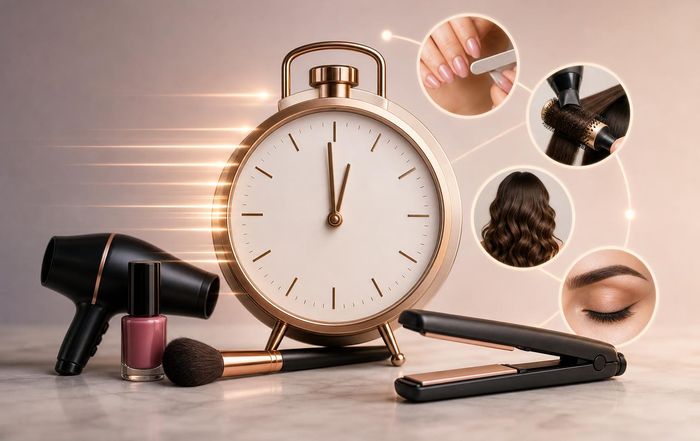
Express beauty services originally emerged as abbreviated versions of traditional spa and salon offerings, but by 2026 they have evolved into a distinct category. These services typically range from 10 to 45 minutes, are highly protocol-driven, and are designed to deliver a specific outcome such as hydration, glow, scalp refresh, nail grooming, brow shaping, or stress relief, all while minimizing downtime and disruption. Modern express facials, for example, often incorporate advanced modalities like LED light, ultrasonic cleansing, or microcurrent, technologies that are explained and endorsed in professional education resources from organizations such as DermNet and the American Academy of Dermatology, but are now packaged for rapid, repeatable in-clinic experiences.
For people who routinely navigate intense professional and personal commitments, express services represent a pragmatic bridge between aspirational self-care and everyday reality. Instead of postponing wellness until a vacation or a free weekend, a 20-minute scalp massage, a 30-minute oxygen facial, or a swift manicure can be scheduled between meetings or after a workout, enabling more consistent routines that support both appearance and emotional wellbeing. This is particularly relevant to audiences across North America, Europe, and Asia, where long commutes, high living costs, and competitive job markets have made time the most precious currency.
On QikSpa's spa and salon section, this shift is reflected in the growing coverage of "mini" services, express menus, and hybrid offerings that combine beauty with wellness, such as quick facial massages paired with breathwork or guided micro-meditations. The evolution of express beauty is therefore not only about speed, but also about smart design of experiences that respect the realities of modern life.
Health, Science, and the Demand for Evidence-Based Beauty
The credibility of express beauty in 2026 rests heavily on its alignment with health science and dermatology. Consumers in major markets such as the United States, United Kingdom, Germany, and Japan have become more discerning, informed by accessible resources like Mayo Clinic, Cleveland Clinic, and Harvard Health Publishing, and are less willing to accept services that promise instant transformation without a scientific basis. This has pushed reputable spas, salons, and beauty clinics to collaborate more closely with dermatologists, trichologists, and cosmetic chemists, ensuring that even short services are grounded in research and safe for diverse skin types and conditions.
Express facials now often follow strict protocols that respect skin barrier function, a concept widely discussed in dermatology literature and on platforms such as The British Association of Dermatologists. Rather than aggressive, one-off treatments, leading providers focus on cumulative benefits: gentle exfoliation, consistent hydration, targeted actives like niacinamide or peptides, and non-invasive technologies that can be repeated weekly or bi-weekly. For consumers who follow health coverage, this continuity aligns with broader health principles, where incremental, regular habits often outperform sporadic, intensive interventions.
Similarly, express hair and scalp services are increasingly positioned as part of holistic hair health regimens, not merely styling conveniences. With growing awareness around hair loss, scalp inflammation, and the impact of stress and nutrition on hair quality, many salons now offer brief but structured scalp analyses, detox treatments, and LED or massage protocols that complement medical advice from specialists. Folks exploring beauty insights and food and nutrition content can see how these services integrate with dietary, hormonal, and lifestyle factors, creating a more complete picture of personal care.
Wellness Integration: From Beauty Add-On to Core Self-Care Strategy
The most significant transformation in express beauty is its integration into the broader wellness ecosystem. Rather than being perceived solely as aesthetic enhancements, many express services are now framed as micro-interventions that support mental health, emotional regulation, and stress management. Research highlighted by organizations such as the American Psychological Association and Mental Health Foundation UK underscores the importance of regular, small moments of recovery for reducing anxiety and preventing burnout, an insight that has been rapidly adopted across leading spa and salon brands worldwide.
In response, service menus increasingly combine quick beauty treatments with mindfulness techniques, aromatherapy, or even elements of breathwork and guided visualization. A 25-minute express facial in Paris or Toronto might begin with a brief grounding exercise, followed by gentle manual lymphatic drainage to ease facial tension accumulated during hours of screen time. A rapid manicure in Sydney or Singapore may incorporate a short hand and forearm massage designed to relieve muscular fatigue from typing and mobile device use. These experiences echo the themes covered in QikSpa's wellness section, where the focus is on sustainable, integrated approaches to feeling and functioning better, rather than on appearance alone.
The connection between express beauty and yoga-inspired practices is also strengthening. In cities from New York to Bangkok, beauty studios are partnering with yoga instructors and meditation teachers to curate "express reset" sessions that combine a brief facial or scalp ritual with 10 to 15 minutes of restorative stretching or breathwork. For readers exploring QikSpa's yoga content, this convergence illustrates how beauty, movement, and mindfulness can coexist in compact, accessible formats that respect cultural diversity and individual preferences.
Food, Nutrition, and the Inside-Out Approach to Express Beauty
While express services operate primarily on the skin, hair, and nails, their effectiveness is increasingly framed within an inside-out philosophy that emphasizes nutrition, hydration, and metabolic health. Global consumers have become more aware of the connections between diet, inflammation, glycation, and skin aging, informed by organizations such as the Academy of Nutrition and Dietetics and the European Food Information Council. As a result, many leading urban spas and salons now complement their express menus with nutritional guidance, functional beverages, and educational materials that help clients make better daily choices.
In markets such as the United States, Canada, Germany, and South Korea, it is increasingly common for express facial or body treatments to be paired with collagen-enhanced drinks, antioxidant teas, or low-sugar, high-protein snacks that support skin integrity and energy levels. Some operators collaborate with registered dietitians or integrative physicians, drawing on evidence from institutions such as Johns Hopkins Medicine to design menus and supplements that align with skin and hair goals. For readers navigating food and nutrition coverage, express beauty becomes one touchpoint within a broader lifestyle matrix that includes balanced meals, adequate sleep, and regular movement.
This holistic framing is particularly resonant for women across Europe, Asia, Africa, and the Americas, who often juggle multiple roles and are seeking efficient, multi-benefit solutions that respect both their time and their health. On QikSpa's women-focused pages, the narrative increasingly emphasizes that express beauty is not a shortcut or superficial indulgence, but a pragmatic component of a comprehensive self-care strategy that includes nutrition, mental health, and long-term disease prevention.
Fitness, Recovery, and the Post-Workout Express Ritual
The intersection between fitness and express beauty has become especially visible in cities such as New York, London, Berlin, Toronto, Sydney, Singapore, and Seoul, where high-end gyms and boutique studios now host in-house beauty bars offering rapid services tailored to active lifestyles. As more people embrace strength training, high-intensity interval workouts, and outdoor sports, the need for efficient post-workout grooming and recovery has created a natural demand for quick showers, blow-dries, mini-facials, and sports massages that can be completed within 30 minutes.
This convergence aligns with the broader understanding of recovery as an integral part of performance, a concept widely discussed by organizations such as the American College of Sports Medicine and Sports Medicine Australia. Express beauty services in these environments are often designed to support the skin barrier after sweating, manage breakouts related to occlusive clothing or equipment, and reduce muscular tension in the face, neck, and shoulders. For readers following QikSpa's fitness content, these offerings demonstrate how grooming and performance recovery can be seamlessly integrated, enabling individuals to look polished and feel physically restored without sacrificing training time or professional commitments.
In markets such as Japan, South Korea, and the Nordic countries, where bathing culture and sauna use are deeply rooted, express beauty has also adapted to complement traditional rituals. Short exfoliating treatments, scalp scrubs, and hydrating masks are increasingly offered in thermal spa and sauna complexes, providing a bridge between heritage wellness practices and contemporary time-efficient services.
Fashion, Image, and the Express Aesthetic
Fashion capitals such as Paris, Milan, London, New York, and Tokyo have played a decisive role in normalizing express beauty, particularly through the backstage culture of runway shows, editorial shoots, and red-carpet events. For decades, professional makeup artists, hairstylists, and nail technicians have operated under extreme time pressure, delivering flawless looks in minutes. The techniques honed in these environments are now being translated into consumer-facing express services, from 20-minute blowouts to 15-minute event makeup applications.
The alignment between fashion and express beauty is further reinforced by the rise of social media and short-form video platforms, where image refreshes must be fast, camera-ready, and adaptable to different lighting conditions. Leading fashion publications and industry bodies such as the Council of Fashion Designers of America and the British Fashion Council increasingly feature coverage of time-saving beauty solutions, emphasizing products and techniques that offer high payoff in minimal time. Fashion readers, many of whom work in or follow the industry in Europe, North America, and Asia, are therefore primed to embrace express services that deliver editorial-level results without the traditional time investment.
This dynamic is particularly impactful for professionals in client-facing roles-such as consultants, lawyers, executives, and media personalities-who may need rapid transformations between meetings, events, and travel. Express blow-dry bars, makeup lounges, and nail studios located near financial districts, airports, and major transport hubs answer this need, enabling individuals to maintain a polished, contemporary image that aligns with their professional aspirations.
International Expansion and Cross-Cultural Adaptation
Express beauty has moved from a primarily North American and Western European phenomenon to a truly international model, with strong adoption in Asia, the Middle East, Latin America, and Africa. However, its success in each region depends on sensitive adaptation to local beauty ideals, cultural norms, and regulatory frameworks. In markets such as South Korea and Japan, where skincare routines are already highly structured and multi-step, express services often focus on specific steps-such as deep cleansing, sheet masking, or quick lifting massages-that integrate seamlessly into existing daily practices. In contrast, in parts of Europe and North America, express offerings may highlight minimalism, low-maintenance grooming, and "no-makeup makeup" looks that resonate with busy professionals seeking understated sophistication.
Regulatory and safety considerations also vary widely, with agencies such as the U.S. Food and Drug Administration, the European Medicines Agency, and national health authorities in countries like Canada, Australia, and Singapore setting standards for devices, ingredients, and infection control. Reputable providers must navigate these frameworks carefully, ensuring that even the fastest services meet stringent hygiene and safety protocols. For readers exploring QikSpa's international coverage, this global perspective is essential to understanding why express service menus in Bangkok, Dubai, São Paulo, or Cape Town may look different from those in New York or Berlin, even as they share a common commitment to efficiency and results.
Travel has also become a powerful catalyst for the spread of express beauty. As business and leisure travelers move between continents, they encounter new formats-such as airport express spas, hotel lobby beauty pods, and mobile pop-up services-that influence expectations in their home markets. On the updated travel pages, the narrative increasingly highlights how express beauty can mitigate the stress of long-haul flights, jet lag, and changing climates, with services such as quick hydration facials, under-eye treatments, and scalp massages offered in transit hubs and destination resorts.
Careers, Business Models, and the Economics of Speed
Behind the consumer-facing appeal of express beauty lies a complex business story. For spa and salon owners, express services offer opportunities to increase client throughput, optimize space utilization, and diversify revenue streams, but they also require meticulous operational planning to avoid compromising quality or staff wellbeing. Efficient scheduling systems, standardized protocols, and ongoing training are critical to maintaining consistency across high volumes of short appointments, particularly in busy urban centers.
From a careers perspective, the rise of express beauty has created new roles and specialization paths for estheticians, therapists, and stylists. Professionals must master not only technical skills, but also time management, communication, and customer experience design, as they have limited minutes to assess client needs, deliver services, and provide aftercare advice. For readers exploring QikSpa's careers content, express beauty represents both an opportunity and a challenge: an avenue for building high-volume, high-visibility practices, but also a call to invest in continuous education and self-care to prevent burnout.
On the business side, express concepts have attracted attention from investors and franchisors, particularly in markets such as the United States, United Kingdom, Germany, Canada, and Australia, where subscription models and memberships are well established. Many express beauty brands now offer monthly plans that bundle several short services, encouraging repeat visits and predictable revenue. Industry analyses from organizations such as McKinsey & Company and Deloitte have noted that consumers are willing to pay a premium for convenience, provided that the experience feels personalized, trustworthy, and consistent. For readers engaging with the business section, these developments highlight the strategic importance of operational excellence, brand differentiation, and data-driven decision-making in the express beauty segment.
Sustainability, Ethics, and the Responsibility of Speed
As express beauty scales globally, questions of sustainability and ethics have come to the forefront. Shorter services and higher client turnover can lead to increased consumption of disposables, energy, and products, raising concerns about environmental impact. Forward-thinking brands are responding by investing in refill systems, biodegradable materials, energy-efficient devices, and supply chain transparency, drawing on best practices outlined by organizations such as the UN Environment Programme and the Ellen MacArthur Foundation. For QikSpa readers interested in responsible consumption, the challenge is to reconcile the desire for convenience with the imperative to reduce waste and support ethical sourcing.
On the sustainable living pages, express beauty is examined through this lens, emphasizing that speed should not come at the expense of planetary or social wellbeing. This includes scrutiny of ingredient sourcing, labor conditions in supply chains, inclusivity in marketing and service design, and the accessibility of services to diverse socioeconomic groups. As global awareness of environmental and social justice issues grows, particularly among younger consumers in Europe, North America, and Asia, express beauty brands that demonstrate authentic commitment to sustainability and ethics are likely to earn deeper loyalty and long-term relevance.
The Future of Express Beauty and Our Role
Looking ahead to the late 2020s, express beauty is poised to become even more personalized, data-driven, and integrated with digital health ecosystems. Advancements in skin imaging, AI-powered diagnostics, and wearable technology will enable hyper-targeted, short treatments tailored to real-time indicators such as hydration levels, stress markers, and environmental exposure. Teleconsultations with dermatologists, nutritionists, and wellness coaches may increasingly precede or follow in-person express services, creating hybrid care pathways that blur the line between beauty, health, and preventive medicine. Institutions such as the World Economic Forum and OECD continue to explore how such innovations will shape work, cities, and lifestyles worldwide.
For QikSpa, whose mission spans spa and salon, health, wellness, beauty, fitness, yoga, travel, careers, business, and sustainable living, the rise of express beauty is a central narrative that connects many of the platform's editorial pillars. By curating expert insights, highlighting best-in-class providers, and examining the cultural, economic, and ethical dimensions of these services, we aim to equip our growing global audience-from all over the world, with the knowledge needed to make informed, confident choices.
In 2026, express beauty is no longer a marginal convenience; it is a reflection of how people live, work, travel, and care for themselves in a faster, more complex world. As readers navigate the evolving landscape through QikSpa's home hub and its specialized sections, they are invited to view each rapid service not as a compromise, but as a strategic, thoughtfully chosen investment in their appearance, health, and overall quality of life.
