
Steam Room vs Sauna: How to Choose Your Experience
For many people, a spa visit is not complete without time in a hot, quiet room that melts away tension. Yet when faced with a steam room on one side and a sauna on the other, it is not always obvious which experience is better for relaxation, skin, breathing, or overall health. Both heat therapies have long histories in different cultures, and both can feel deeply restorative, but they work in distinct ways. Understanding those differences helps people decide what best suits their body, goals, and any health conditions.
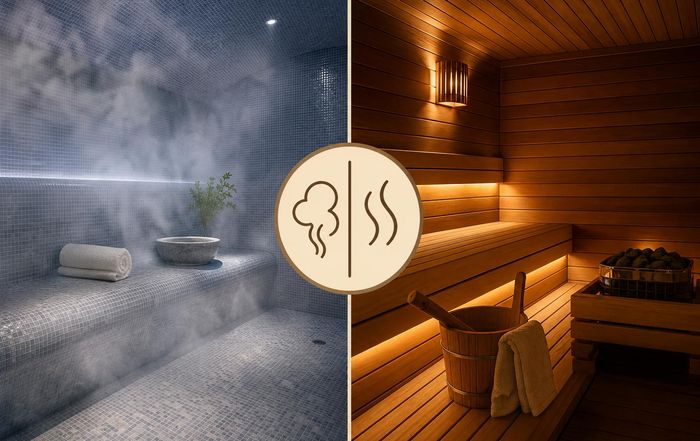
A steam room is typically a fully tiled or acrylic space filled with moist heat, often around 40-50°C (104-122°F) with humidity close to 100%. By contrast, a traditional dry sauna is much hotter, commonly 70-90°C (158-194°F), with low humidity, usually 10-20%. This simple contrast-moist versus dry heat-changes how the body responds, how breathing feels, how the skin reacts, and how long someone can comfortably stay inside. Modern wellness culture has also added variations such as infrared saunas, which heat the body more directly at somewhat lower air temperatures. For spa-goers, athletes, and those building home wellness spaces, the choice between steam and sauna is less about which is "better" overall and more about which is safer, more enjoyable, and better aligned with their personal needs.
People who are building a broader self-care routine that includes hot/cold therapies, massage, or yoga may also want to think about how steam or sauna fits with other practices. For example, combining a short sauna session with stretching, or following a steam with a cool rinse and a quiet herbal tea, can turn a simple heat treatment into a deeper ritual. Resources on wellness, spa and salon, fitness, and lifestyle routines can help weave heat therapies into a more holistic approach.
What actually happens to the body in heat?
When someone steps into a hot environment-whether moist or dry-the body begins a complex series of responses to maintain a safe internal temperature. Blood vessels near the skin surface dilate, a process called vasodilation, which allows more blood to flow outward and release heat. Heart rate increases to keep circulation moving, and sweat glands become more active. According to organizations such as the World Health Organization and national public health agencies, this cardiovascular response is generally safe for healthy adults, but it can be risky for people with unstable heart disease, uncontrolled high blood pressure, or certain other conditions, which is why medical guidance is important for those groups.
In a dry sauna, sweat evaporates quickly, which enhances cooling and allows many people to tolerate higher air temperatures. The dry air can feel less suffocating, even when the thermometer reads well above 80°C. In a steam room, evaporation is limited because the air is already saturated with water vapor, so the body's natural cooling mechanism is less efficient. As a result, even a 45°C steam room can feel intensely hot and heavy, and core temperature may rise more quickly. Guidance from bodies such as the American Heart Association and Mayo Clinic emphasizes limiting session times, drinking water, and avoiding alcohol before and after heat exposure, regardless of the type of room.
Breathing also changes. Warm air dilates blood vessels in the respiratory tract, and high humidity can loosen mucus and make airways feel less irritated for some people. However, in others-especially those with asthma or chronic obstructive pulmonary disease-very hot, humid air can provoke coughing or shortness of breath. Professional groups such as the American Lung Association and British Lung Foundation note that individual reactions vary, and people with respiratory conditions should approach steam cautiously, test for a few minutes, and be prepared to leave at the first sign of discomfort.
Steam rooms: moist heat and respiratory comfort
Steam rooms are often lined with tile, glass, or acrylic, with benches and a steam generator that boils water and releases vapor into the room. Temperatures are lower than saunas but feel intense because of the saturated humidity. Many spas infuse eucalyptus or other essential oils into the steam, aiming to enhance the sense of opening the chest and clearing the sinuses. For some guests, especially those dealing with dryness from air-conditioned environments or winter heating, the moist warmth can feel like a balm for the throat, nasal passages, and skin.
Scientific evidence for specific health benefits of steam rooms is more limited than for saunas, but there are plausible mechanisms for certain effects. Warm, humid air can help loosen mucus and may temporarily relieve congestion in upper respiratory infections or seasonal allergies, a practice reflected in traditional steam inhalation remedies and supported by medical advice from organizations like the National Health Service in the UK and the Centers for Disease Control and Prevention in the US. However, these bodies also caution that steam is not a cure for infections and that people with fever or acute illness should be careful about additional heat exposure.
For skin, steam helps hydrate the outermost layer, softening sebum and loosening debris in pores. This is why many facial treatments incorporate a short steam phase before extractions or masks. That said, dermatology experts, including those at the American Academy of Dermatology, warn that excessive heat and prolonged steam can aggravate rosacea, eczema, and very sensitive or inflamed skin. Shorter sessions followed by gentle cleansing and moisturizing are generally safer than marathon stays. Readers interested in integrating steam into a broader beauty routine may find it useful to connect this with guidance on beauty and women's wellness, especially for hormone-related skin fluctuations.
Hygiene is another consideration. Because steam rooms are warm and moist, they can provide favorable conditions for bacteria and fungi if not properly cleaned. Public health agencies and spa industry bodies stress the importance of regular disinfection, good ventilation, and encouraging users to sit on towels and wear sandals. People with open wounds, active skin infections, or weakened immune systems may be at higher risk of picking up or spreading infections and should follow medical advice before using shared steam facilities.
Saunas: dry heat and cardiovascular effects
Traditional Finnish-style saunas use dry heat from a stove or heater, sometimes with heated stones on which water can be ladled to produce short bursts of steam. Infrared saunas, increasingly common in wellness centers and home setups, use infrared panels to warm the body more directly at air temperatures often between 45-60°C. Both types create a hot, low-humidity environment that encourages profuse sweating. The dry air allows sweat to evaporate efficiently, which can make the heat feel more tolerable and less "heavy" than a steam room, even at higher temperatures.
Over the last decade, research from institutions such as the University of Eastern Finland has drawn attention for suggesting that regular sauna bathing is associated with lower rates of cardiovascular events and all-cause mortality in middle-aged men. These observational studies, widely discussed by organizations like the Harvard T.H. Chan School of Public Health, do not prove that saunas cause longer life, but they do suggest that repeated, moderate heat exposure may have favorable effects on blood pressure, arterial stiffness, and autonomic nervous system balance. The heat stress may function somewhat like mild exercise, temporarily raising heart rate and then promoting relaxation afterward.
However, experts stress that saunas are not a substitute for physical activity and are not suitable for everyone. People with unstable chest pain, recent heart attack, severe aortic stenosis, or uncontrolled arrhythmias are often advised to avoid intense heat. Guidance from cardiology societies and organizations like the European Society of Cardiology and American College of Cardiology emphasizes individualized advice: some stable patients can use saunas safely under medical guidance, while others should avoid them. Pregnant individuals, those with very low blood pressure, and people prone to fainting should also be cautious.
From a musculoskeletal perspective, the deep warmth of a sauna can help relax muscles, ease perceived stiffness, and support recovery after exercise. Athletes and fitness enthusiasts often combine sauna sessions with training programs, though sports medicine organizations such as the American College of Sports Medicine note that heat exposure should be separated from very intense workouts and accompanied by diligent hydration. For readers designing home or gym-based routines, pairing sauna time with stretching, massage, or gentle yoga can support flexibility and relaxation without overtaxing the body.
Comparing benefits: relaxation, skin, breathing, and more
When comparing steam rooms and saunas, it is useful to think in terms of domains rather than looking for a single winner. For many spa visitors, relaxation is the primary goal. Both environments can trigger a shift from the body's "fight or flight" sympathetic response toward the more restful parasympathetic state, reducing perceived stress and promoting better sleep. Studies summarized by organizations such as the National Institutes of Health and Cleveland Clinic suggest that heat therapy can modestly improve mood, reduce muscle tension, and relieve some types of chronic pain. Personal preference matters here: some people find the enveloping moisture of steam deeply soothing, while others relax more easily in the drier, wood-lined calm of a sauna.
For skin, steam tends to hydrate the surface more intensely in the short term, while a sauna's dry heat can be less comfortable for already dehydrated or very sensitive skin. However, both increase sweating, which can help flush surface impurities when followed by gentle cleansing. Those with acne-prone or redness-prone skin may need to limit exposure and pay attention to how their skin reacts over several visits. Integrating post-heat skincare-such as tepid rinsing, non-stripping cleansers, and barrier-supporting moisturizers-can make either option more compatible with long-term beauty goals.
Respiratory effects differ more clearly. Steam rooms often feel better for people with dry airways or temporary congestion, provided they do not have conditions that are triggered by hot humidity. Saunas, especially with gentle ventilation, may be more comfortable for people who dislike heavy air or who feel suffocated in steam. Aromatic additions such as eucalyptus, pine, or menthol can enhance subjective breathing comfort in both settings, though they should be used cautiously by people with fragrance sensitivities or asthma.
In terms of calorie burning and "detox," expert consensus is more skeptical. While heart rate does increase and the body works to regulate temperature, the number of calories burned is modest compared with even light exercise. Weight lost during a session is primarily water and returns once rehydration occurs. As for detoxification, major medical organizations including the World Health Organization, National Institutes of Health, and leading toxicology societies emphasize that the liver, kidneys, lungs, and skin already handle detoxification efficiently in healthy individuals. Sweating can excrete small amounts of certain substances, but steam or sauna use should be viewed as stress-relief and circulatory support, not as a primary detox method.
Safety, risks, and who should be cautious
Safety considerations are essential when choosing between steam and sauna, especially for people with underlying health conditions. Dehydration is a common risk in both environments because sweating can be heavy and thirst signals may lag behind actual fluid loss. Health authorities and organizations like Mayo Clinic and Cleveland Clinic recommend drinking water before and after sessions, avoiding alcohol, and limiting time in the heat-often to about 10-15 minutes for beginners, with rest breaks in between. Electrolyte-rich drinks may be helpful after prolonged or repeated sessions, particularly for athletes.
Heat can also lower blood pressure, which is part of its relaxing effect, but this can cause dizziness or fainting when standing up suddenly after a session. Sitting for a minute on the edge of the bench, then standing slowly, can help. People with very low baseline blood pressure, those on certain medications such as diuretics, and older adults may be more vulnerable to these effects. Medical organizations worldwide advise that individuals with cardiovascular disease, kidney disease, or other chronic conditions consult their clinician before starting regular heat therapy.
Pregnancy is another area where guidelines urge caution. While occasional, moderate sauna or steam use may be safe for some pregnant individuals, especially in later trimesters, many obstetric bodies, such as the American College of Obstetricians and Gynecologists, highlight concerns about raising core body temperature in early pregnancy and the potential risk for certain birth defects. Because individual circumstances vary widely, personalized medical advice is preferable to general rules.
Hygiene and infection risk differ slightly between steam and sauna. Steam rooms, with their moist surfaces, may provide more favorable conditions for microbes if cleaning standards are poor. Saunas, being dry and hot, can be somewhat less hospitable to many organisms, but they are not risk-free. Wearing sandals, using a towel barrier on benches, showering before and after, and avoiding shared facilities when ill or when you have broken skin are sensible precautions in both cases. People designing spa businesses or wellness retreats can find more detailed operational guidance through health departments and industry organizations, complementing broader business and sustainable planning.
How to choose based on your goals and lifestyle
Choosing between a steam room and a sauna starts with clarifying what someone wants from the experience. For those whose top priority is respiratory comfort and relief from dryness or mild congestion, a steam room may be more appealing, provided there are no contraindications from asthma or chronic lung disease. For individuals focused on muscle relaxation, post-workout recovery, and potential cardiovascular benefits supported by more extensive research, a sauna-traditional or infrared-may be the better fit. People who dislike feeling "damp" or who are prone to fungal skin infections may also lean toward dry heat.
Lifestyle and routine matter as well. Someone with a very active schedule might integrate a brief sauna session into their gym visits a few times per week, followed by a cool shower and light stretching. Another person might reserve steam sessions for weekend spa days as part of a longer ritual that includes body scrubs, massage, and quiet time, aligning with broader lifestyle and travel experiences such as visiting traditional hammams or Nordic bath circuits. Those building home wellness spaces may weigh factors like installation cost, water and energy use, maintenance, and available square footage when deciding which system to install.
Climate can also influence preference. In very humid regions, some people find steam rooms uncomfortably similar to the outdoor environment and may prefer the drier feel of a sauna. In cold, dry climates, the enveloping moisture of steam can feel especially nourishing. Fashion and beauty considerations sometimes enter the picture as well: people who invest heavily in hair treatments or lash extensions may want to limit very frequent steam exposure, which can affect certain cosmetic products and adhesives, whereas moderate sauna use may pose fewer issues.
Ultimately, listening to the body is more important than following generic advice. If someone feels lightheaded, nauseated, claustrophobic, or short of breath, the session should end immediately, regardless of how long they planned to stay. Building up gradually, experimenting with both steam and sauna on different days, and noting how sleep, mood, skin, and energy respond over time can help each person refine a routine that supports their broader health and self-care goals.
Integrating heat therapy into a broader wellness routine
Steam rooms and saunas can be powerful tools within a wider wellness and self-care strategy that also includes movement, nutrition, sleep, and mental health practices. For example, pairing a short sauna session with gentle yoga or mindfulness exercises afterward can deepen the sense of calm and body awareness. Combining steam with exfoliating scrubs, hydrating masks, and nourishing oils can enhance spa-style beauty rituals, especially when aligned with seasonal skin needs and overall health priorities.
Nutrition and hydration strategies also matter. Organizations like the Academy of Nutrition and Dietetics and World Health Organization emphasize the importance of balanced fluid intake and electrolytes, particularly for people who sweat heavily during regular heat sessions or intense workouts. Integrating mineral-rich foods, adequate protein, and colorful plant foods can support recovery and skin health, complementing guidance found in food and nutrition resources.
From a mental wellness perspective, the ritual of stepping away from screens, sitting quietly, and feeling bodily sensations in a hot room can function as a form of contemplative practice. Mental health organizations such as the American Psychological Association highlight the value of routine stress-management techniques, and for some people, heat therapy becomes one of those anchors. The key is to treat steam and sauna as supportive practices rather than cures: they can enhance relaxation, comfort, and body awareness, but they work best alongside other evidence-based approaches such as physical activity, sleep hygiene, and, when needed, professional psychological support.
For spa owners, wellness entrepreneurs, and hospitality professionals, offering both steam and sauna options can cater to different preferences and cultural traditions, from Nordic sauna customs to Turkish-style steam rituals. Designing spaces that are inclusive, accessible, and clearly signposted with health and safety guidance can help guests make informed choices. Integrating educational materials from reputable health organizations, and training staff to ask simple screening questions, can further align heat therapies with responsible, guest-centered care.
In the end, choosing between a steam room and a sauna is less about following trends and more about understanding one's own body, preferences, and health context. Both forms of heat can provide a welcome pause in a busy life, a chance to breathe more deeply, and an opportunity to reconnect with the simple sensation of warmth. With thoughtful use, clear boundaries, and attention to safety, either can become a meaningful part of a balanced, restorative wellness routine.
