
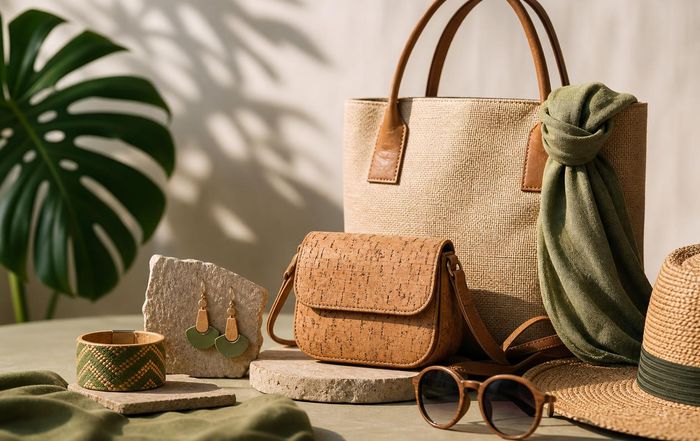
Sustainable Accessories That Make a Statement
Redefining Luxury: Why Sustainable Accessories Matter Now
The global conversation around style, status and self-care has evolved beyond aesthetics to encompass ethics, impact and long-term wellbeing, and nowhere is this shift more visible than in the world of accessories, where handbags, jewelry, eyewear and even wearable wellness devices are becoming powerful symbols of both personal identity and environmental responsibility. As conscious consumers from the United States, United Kingdom, Germany, Canada, Australia and across Europe and Asia reassess what it means to live well, sustainable accessories are emerging as the quiet yet unmistakable markers of a new kind of luxury-one grounded in transparency, durability and respect for people and the planet.
For QikSpa, which sits at the intersection of spa culture, holistic health and modern lifestyle, sustainable accessories are not merely fashion statements; they are extensions of a broader philosophy of mindful living that touches everything from wellness and health to beauty, lifestyle and sustainable practices. In this context, the accessories one chooses-whether a responsibly sourced gemstone bracelet worn to a spa appointment, a recycled-fiber yoga bag carried to a studio in London, or a plant-based leather tote used for business meetings in Singapore-become part of a holistic ecosystem of choices that signal experience, expertise and trust in brands that are prepared for the future.
According to the United Nations Environment Programme, fashion and textiles remain among the most resource-intensive industries, prompting a rapid acceleration of innovation in circular design, ethical supply chains and material science as consumers demand products that align with their values. Learn more about the global sustainability agenda through the UNEP sustainable fashion overview. This shift is particularly evident in accessories, where smaller product formats allow brands to experiment quickly with new materials and traceable production, often leading the way for broader industry transformation.
The New Language of Status: From Logos to Life Values
In previous decades, status in fashion and lifestyle was often measured by visible logos, limited editions and the perceived exclusivity of luxury houses; however, in 2026, status is increasingly communicated through the depth of a brand's ethical commitments, the clarity of its sustainability reporting and the authenticity of its engagement with communities and artisans. Consumers in cities such as New York, London, Berlin, Toronto, Sydney, Paris and Tokyo are asking not only who designed their accessories, but also who made them, under what conditions and with which environmental safeguards in place.
Research from McKinsey & Company on fashion and sustainability indicates that younger generations, particularly Millennials and Gen Z, are willing to pay a premium for products that demonstrate responsible sourcing and transparent supply chains, and this trend is influencing purchasing decisions across age groups and regions. Explore the latest insights in the McKinsey State of Fashion sustainability reports. For QikSpa readers, whose interests span spa and salon experiences, fitness, yoga and international travel, sustainable accessories have become a subtle yet persuasive way to align outward style with inward values, signaling a commitment to wellbeing that goes beyond personal health to include planetary health.
This evolution in status symbols has given rise to a new lexicon in marketing and product storytelling, where terms such as "traceable," "regenerative," "certified" and "biodegradable" carry as much aspirational weight as "limited edition" or "couture" once did. As a result, brands that can demonstrate verifiable progress in areas such as carbon reduction, fair labor and circular design are gaining an edge in markets from North America and Europe to Asia-Pacific, while those that rely on vague claims face increasing scrutiny from regulators and consumers alike.
Materials That Tell a Story: From Waste to Wearable Art
The most compelling sustainable accessories of 2026 are distinguished not only by their aesthetics but also by the narratives embedded in their materials, which frequently transform agricultural by-products, industrial waste or innovative bio-based inputs into items of beauty and utility. In Europe and North America, plant-based leathers derived from pineapple leaves, mushrooms and apple peels have moved from experimental prototypes to commercially viable materials, allowing designers to create handbags, belts and wallets that offer the look and feel of traditional leather without the same environmental footprint.
Organizations such as the Ellen MacArthur Foundation have been instrumental in promoting circular design principles that encourage the reuse of materials and the elimination of waste, principles that are now widely adopted in accessory design studios from Milan and Paris to Seoul and São Paulo. Learn more about circular fashion concepts through the Ellen MacArthur Foundation's circular economy resources. For the QikSpa audience, which values both aesthetics and ethics, these material innovations mean that a spa tote or cosmetic pouch can serve as a conversation piece, inviting discussions about regenerative agriculture, closed-loop manufacturing and the future of responsible luxury.
Jewelry is undergoing a similar transformation, as lab-grown diamonds and recycled metals gain traction among consumers in the United States, Canada, the United Kingdom and beyond who seek to avoid the social and environmental challenges historically associated with mining. The Responsible Jewellery Council has played a key role in setting standards for traceability and ethical sourcing in the jewelry supply chain, giving both brands and consumers a framework for evaluating claims and making informed choices. Discover how ethical standards are reshaping the sector through the Responsible Jewellery Council's guidance. For spa-goers and wellness travelers who view jewelry as part of their personal ritual-worn during meditation, yoga or restorative retreats-such transparency reinforces a sense of integrity and alignment between inner values and outward expression.
Wellness-Driven Design: Accessories for Health and Harmony
As holistic health and wellness continue to gain prominence in markets from Scandinavia and Germany to Japan, South Korea and Singapore, accessories are increasingly designed not only to look appealing but also to support physical, mental and emotional wellbeing. This trend aligns closely with QikSpa's focus on integrated wellness, where every aspect of daily life, from food and nutrition to personal style, is considered part of an interconnected ecosystem that influences long-term vitality.
Wearable wellness devices, including smart rings, bracelets and pendants, now incorporate biometric tracking, stress monitoring and sleep analysis, enabling users to maintain a continuous connection to their health data while still expressing their personal aesthetic. Organizations such as the World Health Organization have highlighted the importance of lifestyle factors, including physical activity and stress management, in preventing chronic disease and improving quality of life, which has encouraged designers to integrate functionality and comfort into wellness accessories. Learn more about lifestyle and health from the WHO's guidance on healthy living.
At the same time, yoga and meditation accessories-such as eco-friendly mats, straps, bolsters and bags-are being produced from natural rubber, organic cotton and recycled fibers, reflecting the values of practitioners in India, Thailand, the United States and across Europe who seek alignment between their spiritual practices and their environmental footprint. For readers exploring yoga-focused content on QikSpa, accessories like cork blocks or hemp mat carriers are no longer niche products but mainstream options that embody the principle of ahimsa, or non-harm, in a modern context.
Beauty, Spa and Salon: The Accessory as an Extension of Self-Care
Within the spa and salon environment, accessories have long served as subtle indicators of personal style, but in 2026 they increasingly function as extensions of a broader self-care philosophy that values purity, calm and respect for the natural world. From reusable, organic-cotton headbands and robes used in high-end spas in Switzerland and the Netherlands to refillable cosmetic cases carried in urban salons in New York, London and Madrid, the accessory landscape is aligning with the clean beauty movement and the growing demand for transparency in ingredients and packaging.
Organizations such as the Environmental Working Group have contributed to consumer awareness by evaluating cosmetic ingredients and personal care products, encouraging individuals to consider not only what they apply to their skin but also how those products are packaged and transported. Explore ingredient awareness and safer product choices through the EWG's skin deep resources. For QikSpa, which emphasizes a holistic approach to beauty and spa culture, the shift toward sustainable accessories complements a wider movement toward organic treatments, low-toxicity nail services and environmentally responsible salon operations.
This integration of sustainability into spa and salon accessories is also influencing interior design, as owners in markets from Dubai and Singapore to Cape Town and São Paulo select sustainably sourced textiles, recycled glass dispensers and ethically produced decor items that create an atmosphere of calm while reinforcing a commitment to environmental responsibility. As clients become more discerning, the accessories they encounter in these spaces-embroidered organic slippers, bamboo hairbrushes, glass water bottles-contribute to the perceived quality and trustworthiness of the brand experience.
Fashion and Function: Everyday Accessories with Global Impact
Beyond the spa and studio, sustainable accessories are reshaping everyday fashion choices for professionals, travelers and entrepreneurs worldwide, from corporate leaders in Frankfurt and Zurich to creative professionals in Los Angeles, Melbourne and Barcelona. Work bags, laptop sleeves, wallets, belts, scarves and eyewear made from recycled plastics, organic fibers and low-impact dyes are becoming standard offerings within major fashion houses and emerging labels alike, reflecting a broader industry commitment to reduce emissions and waste throughout the value chain.
The World Economic Forum has underscored the urgency of transforming consumption patterns and production models to meet global climate goals, highlighting the role of business innovation in enabling more sustainable lifestyles. Learn more about sustainable business practices and circular consumption models through the World Economic Forum's sustainability insights. For QikSpa readers interested in business trends and careers, sustainable accessories represent a strategic opportunity, as companies that integrate responsible design into their product lines can differentiate themselves in competitive markets and appeal to talent seeking purpose-driven employers.
In cities across Europe, Asia and North America, eyewear brands are introducing frames made from recycled ocean plastics and bio-acetate, while watchmakers experiment with solar-powered movements and straps crafted from plant-based leathers, demonstrating that functionality and refinement can coexist with ecological sensitivity. These innovations resonate with professionals who wish to project a polished image while also signaling their awareness of global challenges, creating a new standard of elegance that is as much about integrity as it is about design.
Travel, Wellness Tourism and the Conscious Jet-Setter
As international travel continues to rebound and evolve in 2026, with wellness tourism gaining momentum in destinations such as Italy, Spain, Thailand, Japan, South Africa and New Zealand, sustainable accessories are becoming essential companions for travelers who value both comfort and conscience. Lightweight luggage made from recycled polycarbonate, reusable toiletry containers, compact yoga mats and multifunctional scarves crafted from organic fibers are designed to minimize environmental impact while maximizing versatility, aligning perfectly with the needs of spa-focused and wellness-oriented travelers.
The Global Wellness Institute has documented the rapid growth of wellness tourism, noting that travelers increasingly seek experiences that support mental, physical and emotional health while respecting local cultures and ecosystems. Learn more about wellness tourism and its evolution through the Global Wellness Institute's research. For the global community that turns to QikSpa for travel inspiration, accessories such as reusable water bottles with advanced filtration, ethically sourced shawls and biodegradable travel kits have become essential elements of a mindful packing list, ensuring that journeys across continents leave positive memories rather than unnecessary waste.
In addition, many hotels, spas and retreat centers from Bali and Phuket to the Amalfi Coast and the Swiss Alps are partnering with sustainable accessory brands to provide guests with curated items such as locally crafted jewelry, fair-trade textiles and eco-conscious amenity kits, creating an integrated narrative of care that extends from the treatment room to the boutique. These collaborations not only support regional artisans and small businesses but also offer travelers tangible reminders of their commitment to responsible exploration.
Women, Leadership and the Power of Purpose-Driven Style
Women across North America, Europe, Asia and Africa are playing a pivotal role in driving the adoption of sustainable accessories, both as consumers and as leaders of innovative brands that prioritize ethical sourcing, inclusivity and social impact. Female founders and executives in cities such as New York, London, Berlin, Stockholm, Nairobi, São Paulo and Seoul are building companies that integrate sustainability into every aspect of their operations, from material selection and production methods to community investment and storytelling.
Organizations like UN Women have highlighted the importance of women's economic empowerment in achieving sustainable development, emphasizing the connection between gender equality, responsible business practices and community wellbeing. Learn more about the intersection of gender and sustainability through the UN Women sustainability initiatives. For QikSpa readers engaging with women-focused content, sustainable accessories can serve as tangible expressions of solidarity with female artisans, designers and entrepreneurs who are reshaping the fashion and wellness industries from the inside out.
In professional settings, purpose-driven accessories-such as a briefcase made from recycled materials or jewelry crafted by women's cooperatives in Africa, South America or Southeast Asia-allow individuals to communicate their values without saying a word, reinforcing a leadership style that balances ambition with empathy and long-term thinking. This alignment between personal values and visible choices contributes to a sense of authenticity that is increasingly prized in boardrooms, creative studios and wellness spaces alike.
Building Trust: Certifications, Transparency and Digital Traceability
As sustainable accessories move from niche to mainstream, the need for credible verification and clear communication has become critical, particularly in markets with sophisticated consumers such as the United States, United Kingdom, Germany, the Nordics, Japan and South Korea. Certifications, independent audits and digital traceability tools are now central to building trust, enabling buyers to verify claims about materials, labor practices and environmental impact.
Initiatives such as B Corp Certification and Fair Trade standards provide frameworks for assessing a company's social and environmental performance, while emerging technologies like blockchain-based tracking systems allow consumers to trace the journey of an accessory from raw material to finished product. Learn more about responsible business certification through the B Lab global site and explore fair trade principles via Fairtrade International. For QikSpa, which emphasizes experience, expertise and trustworthiness across its coverage of health, wellness and lifestyle, the presence of credible certifications and transparent reporting is a key indicator of whether a brand's sustainability narrative reflects genuine commitment or merely sophisticated marketing.
Digital product passports, increasingly discussed in European policy circles and piloted by responsible brands worldwide, further enhance transparency by providing accessible information about an accessory's composition, care instructions, repair options and end-of-life pathways. As these tools become more prevalent, consumers will be able to make more informed decisions, and brands that invest early in such systems are likely to gain a competitive advantage in markets that prioritize accountability and long-term value.
The Business Case: Sustainable Accessories as Strategic Advantage
From a strategic business perspective, sustainable accessories represent far more than a trend; they are a pathway to resilience, differentiation and long-term profitability in an era defined by climate risk, regulatory change and shifting consumer expectations. Companies that integrate sustainability into their accessory lines can tap into growing demand across regions such as Europe, North America, Asia-Pacific and parts of Africa and South America, while also reducing exposure to supply chain volatility, resource constraints and reputational risk.
Reports from organizations like the OECD and World Bank have emphasized the economic advantages of circular economy models, which encourage reuse, repair and recycling, and these principles are particularly well-suited to accessories, which often have longer lifespans and higher emotional value than fast-fashion garments. Learn more about sustainable growth and circularity through the OECD's work on green growth and the World Bank's climate and sustainability resources. For entrepreneurs and executives who follow QikSpa's business and careers content, the rise of sustainable accessories offers opportunities in product development, brand strategy, supply chain management and customer engagement, as organizations seek professionals with the expertise to navigate this complex and rapidly evolving landscape.
In addition, sustainable accessories can strengthen brand loyalty and customer lifetime value, as consumers who feel aligned with a company's values are more likely to return, recommend products to others and engage with educational content that deepens their understanding of responsible living. For wellness-focused brands, integrating sustainable accessories into broader offerings-such as spa packages, fitness programs or nutrition consultations-can create cohesive ecosystems of products and services that reinforce a consistent narrative of care and consciousness.
Integrating Sustainable Accessories into a Holistic Lifestyle
For the global QikSpa community, which spans inspiring daily interests from spa and salon culture to fitness, food and nutrition, fashion and sustainable living, sustainable accessories offer a practical and inspiring way to align daily choices with long-term aspirations for health, beauty and planetary wellbeing. Rather than viewing these items as isolated purchases, they can be integrated into a holistic lifestyle strategy that considers how each object-whether a yoga mat, a wellness tracker, a travel bag or a piece of jewelry-contributes to a broader ecosystem of mindful habits.
This integration begins with awareness: understanding the materials, production processes and certifications behind each accessory, and reflecting on how they resonate with personal values and priorities. It continues with intentional selection, favoring durability over disposability, repairability over replacement and timeless design over fleeting trends. Finally, it extends into care and end-of-life decisions, as consumers explore options for resale, donation, recycling or upcycling, ensuring that each item's story continues beyond its initial use.
As readers navigate the diverse content available across QikSpa, from global international perspectives to in-depth explorations of wellness and lifestyle innovation, sustainable accessories can serve as tangible anchors for a philosophy that views wellbeing as inseparable from environmental and social responsibility. In this sense, the most powerful statement an accessory can make in 2026 is not only about style or status, but about a quiet, consistent commitment to living in a way that honors both self and planet.
Experience, Expertise and Positive Thinking in the Next Era of Accessories
As the decade progresses, the convergence of material innovation, digital transparency, wellness science and ethical entrepreneurship will continue to reshape the accessory landscape across regions from North America and Europe to Asia, Africa and South America. Brands that succeed in this environment will be those that combine technical expertise with authentic storytelling, rigorous standards with creative design and global reach with local sensitivity, offering products that resonate with consumers' desire for both beauty and meaning.
For QikSpa, whose mission is to guide readers through an evolving world of spa, health, beauty and sustainable lifestyle, sustainable accessories will remain a vital lens through which to explore broader shifts in culture, business and personal wellbeing. As individuals in cities and communities around the world make daily choices about what to wear, carry and cherish, the accessories they select will continue to speak volumes about their values, aspirations and understanding of what it means to live well in a complex, interconnected world.
Sustainable accessories that make a statement are not merely adornments; they are expressions of good positive thinking, qualities that define not only the products themselves but also the people and organizations who choose them, champion them and weave them into the evolving story of modern, mindful living.
