
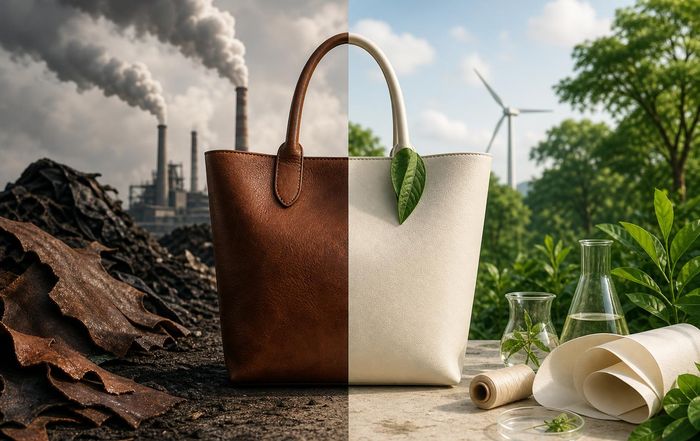
The Environmental Impact of Leather vs. Vegan Alternatives in a Wellness-First World
A New Lens on Luxury: Why Qikspa Cares About Materials
In 2026, the global wellness economy has matured into a powerful cultural and commercial force, and the materials that touch the skin in spas, salons, fitness studios, and luxury retreats are no longer a purely aesthetic choice; they are a statement of values. For Qikspa, which positions itself at the intersection of beauty, health, and conscious living, the debate between animal leather and so-called vegan leather is not an abstract sustainability question but a practical issue that influences spa furnishings, fashion partnerships, beauty accessories, and even the perception of trustworthiness within its community.
As wellness-oriented consumers in the United States, Europe, Asia, and beyond learn more about the environmental footprint of the products they use, they increasingly ask whether the plush leather massage table, the stylish vegan leather yoga mat, or the sleek salon chair is truly aligned with principles of health and ecological responsibility. The answer is complex and often counterintuitive, requiring a careful examination of full life cycles, chemical inputs, carbon emissions, and end-of-life scenarios, rather than relying on simple labels or marketing claims.
This article explores the environmental impact of conventional leather and the diverse range of vegan alternatives, with a focus on how these choices affect spa and salon environments, wellness experiences, and the broader lifestyle ecosystem that Qikspa curates across its platforms, from spa and salon insights to wellness and sustainable living.
Understanding Leather: By-Product or Environmental Burden?
The traditional narrative promoted by segments of the leather industry is that leather is simply a by-product of the meat and dairy sectors, implying that its environmental impact is marginal because the primary driver of livestock rearing is food production. Organizations such as the Leather Working Group and industry bodies in Europe argue that using hides that would otherwise be discarded helps reduce waste and supports circularity within agriculture. However, leading environmental researchers and institutions, including analyses referenced by the Food and Agriculture Organization of the United Nations at FAO.org, point out that this framing is incomplete, because the value of hides can influence the economics of livestock production and because the environmental burden of cattle rearing is already substantial.
Cattle farming is associated with high greenhouse gas emissions, particularly methane, significant land use, and deforestation pressure in regions such as the Amazon, as documented by organizations like WWF at World Wildlife Fund. Learn more about deforestation and livestock impacts to understand how leather fits into a broader agricultural system that affects biodiversity and climate. When hides are transformed into leather, the environmental footprint expands further through water-intensive processing and chemical-heavy tanning, which can lead to water pollution, worker health risks, and long-term soil contamination, especially in regions with weaker environmental regulations.
For spa and salon operators looking to align with the wellness values highlighted on Qikspa's health hub, these upstream impacts raise questions about whether conventional leather furnishings, however luxurious, can be reconciled with a holistic definition of wellbeing that includes planetary and community health.
The Tanning Process: Hidden Chemicals Behind the Shine
The transformation of raw hides into durable, supple leather is technologically sophisticated and historically rooted, but it is also chemically intensive. Modern leather is most commonly produced using chromium-based tanning, where trivalent chromium salts fix collagen fibers and create a stable material that resists decay and retains shape. While trivalent chromium itself is less toxic than hexavalent chromium, inadequate waste management can lead to conversion into more hazardous forms, contaminating water sources and exposing workers and nearby communities to health risks. Reports by entities like the United Nations Environment Programme at UNEP.org and NGOs focusing on industrial pollution have documented such issues in tanning hubs across Asia and parts of Africa.
In addition to chromium, leather processing can involve surfactants, solvents, dyes, and finishing agents, some of which are persistent or bioaccumulative. The European Chemicals Agency at ECHA.europa.eu has progressively restricted certain hazardous substances in leather goods, improving standards in the European Union and influencing global supply chains, yet significant disparities remain between high-regulation and low-regulation regions. For wellness spaces that emphasize clean air, low-toxicity interiors, and safe contact surfaces, as promoted on Qikspa's wellness pages, the presence of residual chemicals and off-gassing from leather finishes can affect both guest confidence and staff safety.
Vegetable-tanned leather, using plant-based tannins derived from bark or leaves, is often marketed as a more natural alternative, and in many respects it does reduce chemical concerns. However, vegetable tanning is slower, more resource-intensive, and not inherently low-impact unless combined with responsible sourcing of hides and strong wastewater treatment. The environmental profile of leather, therefore, depends not only on the material itself but on the specific tanning methods, geographic context, and compliance with environmental standards, making due diligence essential for brands and operators that want to align with science-based sustainability goals, such as those outlined by the Science Based Targets initiative at ScienceBasedTargets.org.
Vegan Leather: A Spectrum, Not a Single Material
The term "vegan leather" has become a powerful marketing label in the fashion, beauty, and wellness industries, yet it is more a category than a material, covering a wide spectrum of products that differ dramatically in environmental performance. Traditional synthetic leathers are typically made from polyvinyl chloride (PVC) or polyurethane (PU) layers coated onto fabric backings, providing a leather-like appearance and feel without animal inputs. While this addresses animal welfare concerns, it introduces a new set of environmental and health challenges linked to fossil fuel extraction, plastic production, and end-of-life disposal.
PVC, in particular, has been criticized by organizations such as Greenpeace at Greenpeace.org for its chlorine chemistry, the potential formation of dioxins, and the use of phthalate plasticizers, many of which are regulated due to toxicity concerns. PU-based alternatives are generally considered less problematic than PVC but still rely on petrochemicals and can release microplastics as they degrade. For wellness brands that emphasize clean beauty and non-toxic environments, this raises the question of whether a "vegan" label alone is sufficient to guarantee a lower-impact or healthier material choice.
In response to these concerns, a new generation of plant-based and bio-based leathers has emerged, including materials derived from pineapple leaves, cactus, apple peels, cork, mycelium, and other agricultural by-products. Companies such as Ananas Anam (Piñatex), Desserto, and various mycelium innovators have partnered with global fashion and lifestyle brands to demonstrate how bio-based alternatives can reduce reliance on fossil fuels and create new value streams for agricultural residues. Learn more about sustainable material innovation through organizations like the Ellen MacArthur Foundation at EllenMacArthurFoundation.org, which promote circular design and bio-based solutions.
However, many of these next-generation vegan leathers still incorporate synthetic binders or coatings to achieve durability and water resistance, which means that, from a life-cycle perspective, they often remain hybrid materials rather than fully biodegradable or plastic-free solutions. For Qikspa, which engages audiences interested in fashion, beauty, and lifestyle, communicating this nuance is essential to maintaining trust and helping readers distinguish between meaningful innovation and superficial green claims.
Life-Cycle Assessment: Moving Beyond Simple Labels
To evaluate whether leather or vegan leather is environmentally preferable, it is necessary to look at the full life cycle of each material, from raw material extraction and processing to use, maintenance, and disposal. Life-cycle assessment (LCA) methodologies, as standardized by bodies such as the International Organization for Standardization at ISO.org, provide a framework for quantifying impacts across categories such as climate change, water use, eutrophication, and resource depletion. Independent LCAs conducted by academic institutions and research groups, including studies published in journals accessible through platforms like ScienceDirect at ScienceDirect.com, show that results can vary significantly depending on system boundaries and assumptions.
For example, when leather is treated purely as a by-product of meat production, its allocated share of livestock emissions may appear relatively modest compared with synthetic alternatives. However, when analysts account for the economic value of hides and potential shifts in production patterns, the climate footprint of leather can become more substantial. Conversely, PU-based vegan leathers may have lower land use and methane emissions but higher contributions to fossil resource depletion and microplastic pollution. Plant-based leathers can improve certain indicators but may involve agricultural inputs, land competition, or additional energy use in processing.
From the perspective of spas, salons, and wellness destinations that Qikspa features, the use phase is also critical. High-quality leather can be extremely durable, lasting for many years or even decades with proper care, which can amortize its initial environmental cost over a long service life. Some synthetic leathers, especially lower-cost variants, may crack, peel, or discolor more quickly, leading to more frequent replacement and greater overall material throughput. Evaluating durability, reparability, and maintenance requirements is therefore essential when making procurement decisions for massage tables, treatment chairs, and lounge furniture that must withstand intensive daily use.
Health, Wellness, and Indoor Environments
For a platform deeply invested in health, wellness, and fitness, the discussion of leather versus vegan alternatives cannot be limited to environmental metrics alone; it must also encompass the human health implications of material choices in indoor environments. Indoor air quality, contact allergies, and exposure to volatile organic compounds (VOCs) and semi-volatile compounds are central concerns in high-end spa and salon design. Credible resources such as the U.S. Environmental Protection Agency at EPA.gov and the World Health Organization at WHO.int provide guidance on indoor pollutants and chemical exposure, emphasizing the importance of material selection in reducing health risks.
Leather products may contain residual tanning agents, dyes, and finishing chemicals, some of which can cause skin irritation or allergic reactions in sensitive individuals. Synthetic vegan leathers may off-gas solvents, plasticizers, or other additives, particularly when new, influencing the sensory experience of a spa guest who expects a calming, clean environment. Certifications such as OEKO-TEX at Oeko-Tex.com and Cradle to Cradle Certified at C2Ccertified.org offer frameworks for evaluating textile and material safety, helping businesses select options that minimize harmful substances and support healthier interiors.
For Qikspa, which often highlights integrated approaches to wellbeing across yoga, nutrition, and mental health, the alignment between material choices and wellness promises is central to brand credibility. When a spa markets itself as a sanctuary for detoxification, stress relief, and holistic care, guests increasingly expect that the furniture, surfaces, and accessories they encounter are consistent with these values, not only in animal ethics but also in toxicology and environmental stewardship.
Regional Dynamics: Regulations and Market Expectations
The environmental impact of leather and vegan alternatives is also shaped by regional regulations, cultural preferences, and market dynamics, particularly in the countries and regions where Qikspa's audience is most active, including the United States, United Kingdom, Germany, Canada, Australia, France, Italy, Spain, the Netherlands, Switzerland, China, Japan, South Korea, Singapore, and the Nordic countries. The European Union has implemented stringent regulations on hazardous chemicals, wastewater discharge, and product safety, which influence both leather tanning and synthetic material production. The European Commission at Europa.eu regularly updates directives and regulations that affect textile and leather industries, pushing suppliers toward cleaner technologies and better waste management.
In contrast, some manufacturing hubs in Asia and other regions may operate under less rigorous environmental and labor standards, although this is changing as global brands and consumers demand greater transparency and responsibility. Initiatives such as the UN Global Compact at UNGlobalCompact.org encourage companies worldwide to commit to principles related to human rights, labor, environment, and anti-corruption, and many fashion and lifestyle brands serving wellness markets have begun to align their sourcing practices with these frameworks.
Consumer expectations also vary by region. In Scandinavia, Germany, and parts of the Netherlands, there is strong awareness of climate change and circular design, making bio-based vegan leathers and certified sustainable leather more attractive to discerning customers. In North America and parts of Asia, animal welfare concerns and vegan lifestyles have driven rapid growth in non-animal materials, even when environmental trade-offs are not fully understood. For global wellness brands and the international audience of Qikspa's travel section, navigating these regional nuances is essential to building trust and relevance across markets.
Business Strategy: Aligning Materials with Brand Values
For operators, product developers, and entrepreneurs featured in Qikspa's business coverage, the choice between leather and vegan alternatives is increasingly strategic, affecting brand positioning, supply chain resilience, and regulatory risk. As environmental, social, and governance (ESG) expectations intensify, companies are under pressure to demonstrate that their material choices are informed by credible science and aligned with long-term sustainability goals. Investors and stakeholders look to frameworks such as those promoted by the Global Reporting Initiative at GlobalReporting.org and the Task Force on Climate-related Financial Disclosures at FSB-TCFD.org to assess how businesses manage environmental impacts and climate risks.
In this context, a simplistic switch from leather to any available vegan leather is unlikely to be sufficient. Instead, businesses are adopting material strategies that prioritize transparency, traceability, and continuous improvement. This may involve working with certified tanneries that meet high environmental and labor standards, selecting bio-based vegan leathers that minimize petrochemical content, or investing in research partnerships to develop next-generation materials that combine durability, aesthetics, and low environmental impact. Learn more about sustainable business practices through organizations like BSR (Business for Social Responsibility) at BSR.org, which advise companies on integrating sustainability into core strategy.
For wellness and beauty brands that collaborate with Qikspa, this strategic lens is crucial. The materials used in spa uniforms, treatment accessories, and retail products send a powerful signal about the authenticity of a brand's commitment to wellbeing and sustainability. Aligning material choices with clearly articulated values not only reduces environmental and reputational risk but also creates a more coherent and compelling story for clients who are increasingly sophisticated about sustainability claims.
Lifestyle, Fashion, and the Conscious Consumer
The debate over leather versus vegan alternatives is also unfolding in the broader lifestyle and fashion space, where Qikspa's audience engages with trends that connect beauty, wellness, and self-expression. Consumers in major fashion capitals such as London, Paris, Milan, New York, and Tokyo are exposed to a growing array of products that promise cruelty-free luxury, plant-based innovation, and climate-conscious design. Fashion councils and organizations like the Council of Fashion Designers of America at CFDA.com and the British Fashion Council at BritishFashionCouncil.co.uk increasingly spotlight sustainability initiatives and material innovation as central themes in their programming.
For wellness-focused consumers, the material story extends beyond apparel to include handbags, footwear, yoga accessories, and even travel gear used in retreats and spa vacations. A leather weekend bag or vegan leather yoga mat is no longer just a functional item; it is an artifact of personal values and a visible expression of how an individual integrates ethics, environmental concern, and aesthetic taste. On Qikspa's lifestyle platform, this convergence is evident in the way readers seek guidance on products that support both inner and outer wellbeing, from skincare to nutrition to sustainable fashion choices.
As awareness grows, conscious consumers are increasingly skeptical of simplistic marketing narratives and demand evidence of responsible sourcing, credible certifications, and transparent communication about trade-offs. This shift pushes brands to move beyond surface-level "vegan" or "natural" claims and to engage in more nuanced conversations about what truly constitutes a lower-impact, wellness-aligned material choice.
Toward a More Nuanced Material Future
By 2026, the conversation around leather versus vegan alternatives has evolved from a binary moral question into a complex, data-driven discussion that integrates climate science, chemistry, health, and design. For Qikspa, whose mission spans beauty, food and nutrition, wellness, and sustainable living, embracing this nuance is central to maintaining expertise, authoritativeness, and trustworthiness in a rapidly changing landscape.
The environmental impact of leather depends on livestock practices, tanning technologies, regulatory environments, and product longevity. The impact of vegan leather depends on whether it is PVC-based, PU-based, or bio-based, how it is manufactured, and how long it lasts before disposal. Neither category is inherently sustainable or unsustainable; instead, specific material formulations and supply chains must be assessed in context. Wellness spaces, fashion brands, and lifestyle companies that wish to lead rather than follow in sustainability will need to invest in deeper material literacy, robust supplier engagement, and transparent communication with their clients.
For readers and partners of Qikspa, the path forward is not to seek a perfect material that solves all problems but to make informed, context-sensitive choices that balance animal welfare, environmental performance, human health, and functional requirements. In some applications, high-quality, responsibly tanned leather with long service life may be the most sustainable option. In others, advanced bio-based vegan leathers with verified low-toxicity profiles and reduced fossil inputs may offer clear advantages. The key is to ask the right questions, consult credible resources, and view material decisions as part of a holistic approach to wellbeing that embraces both people and planet.
As the wellness economy continues to expand across North America, Europe, Asia, Africa, and South America, Qikspa will remain committed to guiding its global audience through these complex choices, providing insights that connect the spa and salon environment with broader lifestyle, business, and sustainability trends. In doing so, it reinforces a simple but powerful idea: true wellness is not just about how one feels in the moment, but about the lasting impact of one's choices on the world that sustains that feeling.
