
Global Beauty Standards Are Evolving: What It Means for Business
The New Face of Beauty
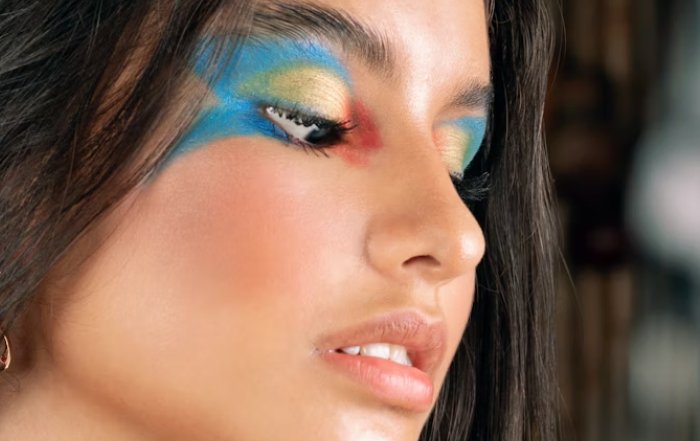
The global beauty landscape looks markedly different from a decade ago, and the evolution is reshaping how brands, professionals and consumers interact across spa, salon, fashion, wellness and lifestyle sectors. Beauty is no longer defined by a narrow set of physical traits or a single cultural ideal; instead, it is increasingly understood as an intersection of health, identity, sustainability, technology and personal expression. For a platform like QikSpa-positioned at the crossroads of spa and salon experiences, lifestyle, beauty, wellness and business-this shift is more than a trend; it is the foundation of a new global value proposition that connects professionals and consumers from North America to Europe, Asia, Africa and South America.
In major markets including the United States, United Kingdom, Germany, Canada, Australia, France, Italy, Spain, the Netherlands, Switzerland, China, Sweden, Norway, Singapore, Denmark, South Korea, Japan, Thailand, Finland, South Africa, Brazil, Malaysia and New Zealand, beauty is becoming more inclusive, science-driven and ethically grounded. Reports from organizations such as the World Economic Forum highlight how social media, demographic change and digital commerce are transforming consumer expectations, while analysts at McKinsey & Company describe beauty as one of the most resilient and innovation-driven consumer sectors worldwide. As beauty standards evolve, businesses that understand the deeper cultural and economic forces at play are finding new opportunities to create trust, loyalty and long-term growth.
From Homogeneous Ideals to Inclusive Realities
The shift from homogeneous beauty ideals toward more inclusive and pluralistic standards is one of the most profound cultural changes affecting the industry. Historically, global beauty marketing often revolved around Western-centric norms and a narrow focus on youth, thinness and fair skin. Today, research from Dove's Self-Esteem Project and bodies such as the American Psychological Association shows that consumers, especially younger generations, are actively rejecting unrealistic portrayals that contribute to body dissatisfaction and mental health challenges. This rejection is not limited to the United States and Europe; markets in Asia, Africa and Latin America are also asserting local aesthetics and identities that better reflect their populations.
Brands that have embraced inclusivity, such as Fenty Beauty with its expanded shade ranges, have demonstrated that representation is not only socially responsible but commercially powerful, with industry observers at Harvard Business Review emphasizing the business case for diversity in product design and marketing. Regulatory bodies and advertising standards authorities in the United Kingdom, Europe and other regions have also taken steps to discourage misleading or overly retouched imagery, reinforcing the expectation of authenticity. For businesses featured on QikSpa, whether they are boutique spas in Singapore, wellness retreats in Italy or salons in South Africa, aligning with inclusive standards is becoming a baseline requirement for credibility rather than a differentiating advantage.
The Rise of Wellness-Centric Beauty
Another defining development is the convergence of beauty and wellness, where external appearance is seen as a reflection of internal health and lifestyle rather than purely cosmetic enhancement. Scientific advances in dermatology, nutrition and preventive medicine, documented by institutions such as the World Health Organization and the National Institutes of Health in the United States, have reinforced the link between skin health, diet, stress management and sleep. Consumers are increasingly seeking solutions that address root causes rather than superficial symptoms, driving demand for services and products that integrate skincare, nutrition, fitness, mental health and holistic therapies.
This convergence is especially visible in spa and salon environments, where treatments now frequently incorporate mindfulness practices, therapeutic massage, personalized nutrition advice and even digital stress-monitoring tools. On QikSpa, the connection between food and nutrition, health, fitness and aesthetic services is central to the editorial narrative, enabling readers and professionals to understand how their beauty choices intersect with broader lifestyle decisions. Global wellness authorities such as the Global Wellness Institute have quantified the explosive growth of the wellness economy, and their data underscores a clear message: the future of beauty lies in solutions that promote long-term health, resilience and emotional balance.
Sustainability and Ethical Expectations Redefining Trust
Across markets from Germany and the Netherlands to Japan and Brazil, sustainability has moved from a niche concern to a mainstream expectation, and beauty businesses are under intensifying scrutiny regarding their environmental and social impacts. Consumers are better informed about ingredient sourcing, packaging waste, carbon footprints and labor conditions, drawing on resources from organizations such as the United Nations Environment Programme and certification bodies like B Corp to evaluate which brands align with their values. This heightened awareness is reshaping product development, supply chains and marketing strategies, as companies are pressed to demonstrate genuine commitment rather than surface-level "greenwashing."
Forward-thinking brands are investing in refillable packaging, biodegradable materials, upcycled ingredients and transparent supplier relationships. Many are also publishing sustainability reports aligned with frameworks from the Sustainability Accounting Standards Board and the Global Reporting Initiative, recognizing that investors, regulators and consumers are converging around the need for measurable progress. For the QikSpa audience, the intersection of beauty, wellness and environmental responsibility is explored through dedicated content on sustainable lifestyles, where readers can learn more about sustainable business practices and understand how spa and salon operators can reduce energy use, water consumption and product waste without compromising service quality or customer experience.
Technology, AI and the Personalization of Beauty
Digital innovation and artificial intelligence are transforming every segment of the beauty value chain, from product formulation and diagnostics to marketing and customer service. Global leaders such as L'Oréal, Estée Lauder Companies and Shiseido have invested heavily in AI-powered skin analysis, virtual try-on tools and data-driven personalization, while technology providers and research centers like MIT Media Lab are exploring how machine learning can optimize ingredient combinations and predict consumer preferences. In 2026, personalization is no longer limited to a simple questionnaire on skin type; it involves sophisticated algorithms that integrate lifestyle data, climate conditions, genetic information and real-time feedback to create tailored regimens and experiences.
This technological shift is highly relevant for spa and salon operators who rely on platforms like QikSpa to reach clients in different regions. Digital booking tools, virtual consultations, remote skin assessments and AI-assisted product recommendations allow businesses to extend their services beyond physical locations, serving international clients in the United States, Europe, Asia and beyond. At the same time, there is growing concern about data privacy, algorithmic bias and transparency, with regulators in the European Union, Singapore and other jurisdictions introducing stricter rules around data protection and AI governance. Businesses seeking to maintain trust must be clear about how they collect, use and secure customer data, and they must ensure that digital tools enhance rather than replace the human expertise that remains central to high-quality beauty and wellness services.
The Business Impact: Strategy, Brand and Revenue Models
The evolution of global beauty standards has direct implications for corporate strategy, brand positioning and revenue models across the sector. Analysts at Euromonitor International and Statista have documented how consumer spending is shifting toward brands that embody authenticity, inclusivity and sustainability, while also offering seamless digital experiences. For multinational corporations, this means adapting portfolios to reflect regional preferences, expanding shade ranges, reformulating products to meet clean beauty expectations and investing in local influencers and creators who can speak credibly to their communities.
Smaller businesses, including independent spas, salons and wellness studios, are also navigating this transition. They may not have the scale of global conglomerates, but they possess a different competitive advantage: proximity to the customer and the ability to deliver highly personalized, relationship-based services. Through QikSpa's business-focused content, owners and managers can explore how to reposition their brands around evolving beauty ideals, redesign service menus to incorporate wellness and sustainability, and refine pricing strategies that reflect the added value of expertise, ethical sourcing and holistic care. Revenue diversification is becoming increasingly important, with many operators combining in-person services, digital consultations, product sales, educational workshops and subscription models to create more resilient and scalable businesses.
Regional Nuances: One Global Market, Many Local Realities
Although beauty standards are globalizing in some respects, regional and cultural nuances remain critical. In the United States and Canada, there is strong emphasis on diversity, self-expression and clean ingredients, influenced by advocacy from organizations such as the Environmental Working Group and increased regulatory attention to cosmetic safety. In the United Kingdom, France, Italy, Spain, Germany, the Netherlands, Switzerland and the broader European Union, regulatory frameworks such as the EU Cosmetics Regulation shape ingredient choices and claims, while local traditions in spa culture-particularly in countries like Germany and Hungary-reinforce the importance of hydrotherapy and medical wellness.
In Asia, markets such as South Korea, Japan, China, Thailand, Singapore and Malaysia are at the forefront of innovation in skincare, textures and formats, with the global spread of K-beauty and J-beauty demonstrating how regional trends can achieve worldwide influence. At the same time, there is a growing reevaluation of long-standing ideals such as skin lightening, with public health organizations and advocacy groups raising concerns about the safety and social implications of certain products. In Africa and South America, including South Africa and Brazil, there is a rising celebration of natural hair, diverse skin tones and indigenous ingredients, supported by local entrepreneurs and international interest in botanicals and traditional remedies.
For a global platform like QikSpa, which serves audiences across international markets, understanding these nuances is essential to curating relevant content and connecting readers with professionals who respect and reflect their cultural contexts. Businesses that operate or aspire to operate across borders must balance global brand consistency with local adaptation, investing in market research, local partnerships and culturally sensitive communication.
The Intersection of Beauty, Fashion and Identity
Beauty does not exist in isolation; it is deeply intertwined with fashion, identity and social norms. Fashion houses, media platforms and social networks play a powerful role in shaping what is perceived as desirable or aspirational, and their influence has become more complex in the age of digital creators and decentralized content. Leading fashion publications and organizations such as Vogue Business and the Council of Fashion Designers of America have highlighted how runway shows, campaigns and collaborations increasingly feature diverse body types, ages, genders and cultural backgrounds, reflecting and reinforcing broader social movements.
On QikSpa, the relationship between fashion, beauty and self-expression is explored through stories that connect makeup, hair, skincare and styling with lifestyle choices and personal narratives. For many consumers, particularly women navigating professional environments, family responsibilities and global mobility, beauty routines are both a form of self-care and a strategic tool for confidence and presence. As gender norms evolve and non-binary and transgender identities gain greater recognition, businesses are challenged to rethink product categories, service menus and marketing language to ensure that they are welcoming and relevant to all clients, not just traditional female demographics.
Women, Careers and the Economics of Beauty
The evolution of beauty standards also intersects with women's economic empowerment and career trajectories. Research from organizations such as UN Women and the International Labour Organization has documented how appearance-related expectations can both constrain and enable opportunities, influencing hiring decisions, workplace culture and leadership perceptions. While narrow beauty ideals have historically contributed to discrimination and pressure, the current shift toward authenticity and diversity offers an opportunity to redefine professional norms in ways that are more inclusive and humane.
The beauty, spa and wellness industries themselves are major employers of women worldwide, from estheticians and hairstylists to brand founders and executives. For many, these sectors provide pathways to entrepreneurship and financial independence, particularly in regions where other career options may be limited. Through careers-focused content, QikSpa highlights how professionals can build sustainable careers in beauty and wellness, develop specialized expertise, and leverage digital tools to reach clients beyond local geographies. At the same time, the platform addresses the need for fair labor practices, ongoing education and mental health support, recognizing that the emotional demands of service work can be significant.
Travel, Experience and the Global Spa Economy
As international travel continues to recover and expand in 2026, beauty and wellness tourism is emerging as a key growth engine for destinations across Europe, Asia, Africa, North America and South America. Reports from organizations like the World Tourism Organization (UNWTO) show that travelers are increasingly seeking experiences that combine relaxation, cultural immersion, health optimization and aesthetic enhancement, from thermal spas in Switzerland and Italy to wellness retreats in Thailand and Bali, medical spas in South Korea and Japan, and eco-lodges in South Africa and Brazil.
For many travelers, beauty treatments, spa rituals and wellness programs are integral components of their itineraries, and they rely on trusted platforms to discover reputable providers and understand local customs. QikSpa's travel section plays a role in guiding these decisions, connecting global audiences with authentic experiences that respect local environments and communities. This convergence of beauty, wellness and travel also creates new collaboration opportunities between hotels, resorts, airlines, tourism boards and beauty brands, as they design integrated packages and loyalty programs that reflect the evolving priorities of modern consumers.
Yoga, Fitness and the Aesthetic of Vitality
The global rise of yoga, fitness and movement-based disciplines has also influenced beauty standards, shifting attention from static appearance to dynamic vitality, mobility and strength. Organizations such as the American College of Sports Medicine and the World Health Organization continue to emphasize the importance of regular physical activity for physical and mental health, and these messages resonate strongly with consumers who associate an active lifestyle with a radiant, youthful appearance. Rather than focusing solely on weight or size, many individuals now prioritize energy levels, posture, flexibility and functional fitness as markers of well-being.
On QikSpa, the connection between yoga, fitness, skincare and self-care is explored through articles that integrate exercise science, mindfulness and practical routines. This integrated approach reflects a broader cultural understanding that beauty is not a static goal but an ongoing practice shaped by daily habits, from movement and nutrition to sleep and stress management. Businesses that align their offerings with this holistic perspective-such as spas that incorporate yoga studios, salons that partner with fitness centers, or brands that design products for pre- and post-workout care-are better positioned to meet the expectations of health-conscious consumers.
Building Trust Through Expertise and Transparency
In an era of information abundance and social media influence, trust has become the most valuable currency in the beauty and wellness industries. Consumers can access product reviews, ingredient databases and expert opinions from sources such as Mayo Clinic and Cleveland Clinic, as well as independent dermatologists, nutritionists and fitness professionals who share evidence-based insights online. At the same time, misleading claims, unverified trends and viral misinformation can create confusion and skepticism, making it essential for reputable businesses and platforms to prioritize accuracy, clarity and accountability.
For QikSpa, this means curating content that reflects genuine expertise, whether by highlighting the work of respected practitioners, referencing established health organizations or explaining complex concepts in accessible language. It also means being transparent about the limitations of certain treatments, the importance of patch testing and professional consultation, and the need to consider individual health conditions when adopting new routines. Brands and service providers that adopt a similar approach-clearly communicating ingredients, processes, risks and expected outcomes-are more likely to build long-term relationships with clients who value honesty over hype.
The Road Ahead: Strategic Priorities for Beauty and Wellness Businesses
As global beauty standards continue to evolve through this year and beyond, businesses across spa, salon, fashion, wellness, nutrition and travel sectors face a set of strategic priorities that will determine their relevance and resilience. They must deepen their understanding of inclusive, wellness-centric and sustainability-driven definitions of beauty; invest in technology and data while safeguarding privacy and equity; adapt to regional cultural nuances without losing brand coherence; and cultivate expertise and transparency that foster trust in an increasingly crowded and competitive marketplace.
For QikSpa, the mission is to serve as a trusted bridge between consumers and professionals worldwide, providing a curated environment where readers can explore beauty, wellness, lifestyle, health and business insights in one place. By highlighting best practices, emerging trends and real-world examples from the United States, Europe, Asia, Africa and South America, the platform supports a global community that sees beauty not as a rigid standard but as a dynamic expression of individuality, culture and well-being. In this new era, the businesses that thrive will be those that recognize beauty as a holistic, ethical and human-centered experience-and that design their strategies, services and stories accordingly.
