
Plant-Based Proteins for a Balanced Diet: A Strategic Guide for Modern Professionals
The New Protein Paradigm in a Fast-Changing World
Plant-based proteins have moved from niche interest to mainstream strategy for individuals, businesses, and wellness-focused organizations seeking resilient, future-ready nutrition patterns. Across North America, Europe, Asia-Pacific, Africa, and South America, professionals are reassessing how they eat, work, travel, and invest in their health, and protein has become a central focus of that conversation. For the happy daily visitors and the broader community here, this shift is not only a matter of personal health, but also a question of performance, longevity, aesthetics, and sustainable lifestyle design.
Global data from organizations such as the World Health Organization and the Food and Agriculture Organization of the United Nations show a steady rise in chronic lifestyle-related conditions, many of which are influenced by dietary patterns. At the same time, research from institutions like Harvard T.H. Chan School of Public Health has highlighted the potential cardiometabolic benefits of diets that prioritize plant-based proteins over high intakes of red and processed meats. As wellness culture matures in markets such as the United States, United Kingdom, Germany, Canada, Australia, France, Italy, Spain, the Netherlands, Switzerland, China, South Korea, Japan, Singapore, and the Nordic countries, plant-based proteins are increasingly seen as a sophisticated tool for building a balanced, high-performance diet rather than a restrictive alternative.
Within this context, QikSpa positions plant-based eating as part of a holistic ecosystem that also encompasses spa and salon experiences, health optimization, wellness strategy, and intelligent food and nutrition planning. The question is no longer whether plant-based proteins can support a balanced diet, but how discerning professionals can use them strategically to enhance energy, appearance, mental clarity, and long-term resilience.
Understanding Protein Requirements in a Modern Lifestyle
Protein remains an essential macronutrient for muscle maintenance, immune function, hormone production, and tissue repair, and these roles are even more critical for individuals managing demanding careers, frequent travel, or intensive fitness routines. Guidelines from authorities like the U.S. National Institutes of Health and NHS UK provide baseline recommendations for daily protein intake, yet many experts now emphasize that optimal levels may be higher for active individuals, older adults, or those with specific performance goals. As remote work, hybrid schedules, and global mobility reshape daily routines in 2026, the timing and quality of protein consumption are increasingly important for maintaining stable energy and cognitive performance.
For readers who integrate regular exercise, yoga, and spa-based recovery into their week, understanding how protein supports training adaptation is crucial. Resources such as the American College of Sports Medicine and International Society of Sports Nutrition explain how distributing protein across meals can support muscle protein synthesis, particularly when combined with resistance training or high-intensity interval sessions. When professionals in cities like New York, London, Berlin, Toronto, Sydney, Paris, Milan, Madrid, Amsterdam, Zurich, Singapore, Seoul, and Tokyo look to optimize their schedules, plant-based proteins offer a flexible and often more digestible way to meet these targets without compromising other wellness priorities.
On QikSpa's fitness-focused pages, the integration of plant-based proteins into training strategies is framed not as a trend, but as part of a long-term approach to sustainable performance, where nutrition, sleep, stress management, and recovery are aligned with personal and professional ambitions.
The Science of Plant-Based Proteins: Quality, Completeness, and Bioavailability
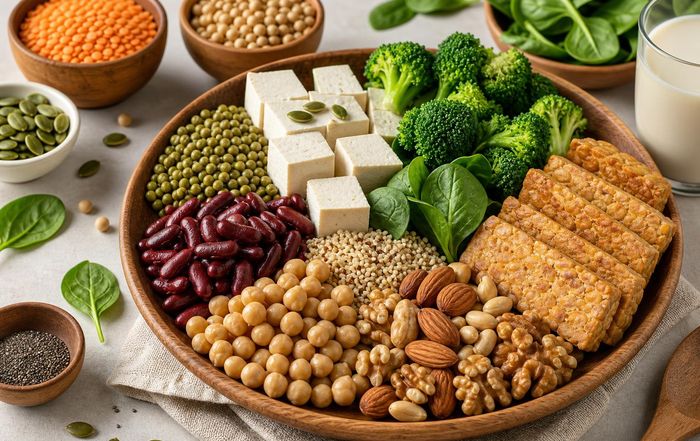
One of the most persistent questions in nutrition science has been whether plant proteins can match the quality of animal proteins in terms of amino acid profile and bioavailability. Leading academic and clinical institutions, including Mayo Clinic and Cleveland Clinic, have clarified that while many single plant sources may lack one or more essential amino acids, a varied plant-based diet can easily provide complete protein when meals are constructed thoughtfully. Legumes, soy, quinoa, buckwheat, hemp, chia seeds, and high-quality plant protein blends are now widely recognized as robust options for meeting amino acid needs.
Research published through platforms like PubMed and summarized by Academy of Nutrition and Dietetics has shown that when total protein intake is adequate and diverse, plant-based diets can fully support muscle maintenance, strength gains, and metabolic health. This is particularly relevant for wellness-conscious professionals who are increasingly concerned with body composition, visceral fat reduction, and aging well rather than simply focusing on body weight. The combination of legumes and grains, for example, or soy-based foods with nuts and seeds, can deliver a comprehensive amino acid spectrum that rivals traditional animal-based meals.
For QikSpa, which bridges beauty, wellness, and performance, this scientific clarity enables a more confident promotion of plant-based eating as a foundation for glowing skin, healthy hair, and consistent energy. Plant proteins often come packaged with fiber, antioxidants, and phytonutrients that support gut health and reduce systemic inflammation, which in turn influence complexion, aging markers, and overall vitality-areas of particular interest to spa and salon clients worldwide.
Key Sources of Plant-Based Protein Around the World
Across global culinary traditions, plant-based proteins have long been central to balanced diets, even if they were not always labeled as such. In Asia, soy-based foods such as tofu, tempeh, and edamame are staples, with Japan, South Korea, China, and Thailand offering diverse preparations that are now inspiring chefs and wellness entrepreneurs worldwide. In the Mediterranean regions of Italy, Spain, France, and Greece, chickpeas, lentils, fava beans, and nuts form the backbone of many traditional dishes often cited by institutions like Blue Zones for their association with longevity and cardiovascular health.
In India and across South Asia, lentils and pulses provide daily protein for millions, while in Africa, staples like cowpeas, groundnuts, and beans have historically supported communities with limited access to animal protein. Latin American cuisines in Brazil and across South America rely heavily on black beans, kidney beans, and corn-based dishes, which, when combined, create complete protein profiles. As global supply chains and culinary innovation evolve, these traditional ingredients are being reinterpreted in modern formats such as high-protein snacks, ready-to-drink beverages, and functional bakery products.
Professionals exploring international wellness and nutrition trends now have unprecedented access to these protein sources through both local markets and global e-commerce platforms. Organizations like Eat Lancet Commission and World Resources Institute have highlighted how these traditional plant-based staples contribute not only to health but also to environmental sustainability, thereby aligning personal dietary choices with broader climate and resource considerations.
Plant-Based Proteins, Spa Culture, and Holistic Wellness
The evolution of spa and salon culture in 2026 reflects a broader shift from purely aesthetic services to integrated wellness experiences that encompass nutrition, mental health, and long-term vitality. Leading spa destinations in the United States, United Kingdom, Germany, Switzerland, Scandinavia, the Middle East, and Asia-Pacific are increasingly partnering with nutritionists and culinary experts to design menus and programs that feature plant-based proteins as a central component of detox, weight management, and rejuvenation retreats. This integration is driven by a growing body of evidence from organizations such as American Heart Association and Diabetes UK, which underscores the role of plant-forward diets in reducing risk factors for cardiovascular disease, type 2 diabetes, and metabolic syndrome.
For QikSpa, whose editorial focus spans spa and salon innovation and wellness strategy, plant-based proteins represent a bridge between culinary pleasure and clinical outcomes. Clients seeking glowing skin, improved circulation, and reduced inflammation often benefit from reducing excessive animal fat intake and increasing fiber-rich plant proteins, which support a healthier gut microbiome and more stable blood sugar levels. High-quality plant-based meals served in spa environments-from protein-rich smoothie bowls to elegantly plated legume-based entrées-reinforce the message that self-care is as much about what is on the plate as what is applied to the skin.
This convergence of gastronomy, nutrition science, and spa therapy is particularly appealing to female professionals and entrepreneurs, many of whom are balancing leadership roles with family responsibilities and personal wellness goals. As QikSpa expands its coverage of women's health and lifestyle, plant-based proteins emerge as a practical, evidence-informed tool for managing hormonal shifts, bone health, and energy fluctuations throughout different life stages.
Beauty, Skin Health, and the Aesthetic Dimension of Plant Proteins
Beauty-focused consumers in 2026 increasingly understand that skincare routines begin in the kitchen. Collagen, elastin, keratin, and other structural proteins rely on adequate amino acid intake, along with micronutrients such as vitamin C, zinc, and copper, to support skin elasticity, firmness, and resilience. While collagen supplements remain popular, many dermatologists and nutrition experts, including those associated with American Academy of Dermatology, emphasize that high-quality dietary protein, accompanied by antioxidants and healthy fats, can significantly influence skin quality from within.
Plant-based proteins, particularly when sourced from minimally processed foods such as lentils, chickpeas, soy, nuts, seeds, and whole grains, deliver not only amino acids but also polyphenols and carotenoids that combat oxidative stress. Research summarized by National Center for Complementary and Integrative Health suggests that diets rich in plant-based foods may help reduce markers of inflammation that contribute to acne, rosacea, and premature aging. For spa-goers in markets from Los Angeles and Miami to London, Dubai, Singapore, and Seoul, this internal approach to beauty complements topical treatments, facials, and advanced aesthetic procedures.
Within the beauty section of QikSpa, plant-based nutrition aligns naturally with coverage of clean skincare, non-invasive treatments, and holistic anti-aging strategies. As more consumers demand transparency and sustainability from beauty brands and wellness resorts, the use of plant-based menus and protein sources signals a commitment to both health and ethical responsibility, reinforcing trust and loyalty among discerning clients.
Performance, Fitness, and the Rise of Plant-Powered Athletes
The stereotype that serious athletes require large quantities of animal protein has been steadily dismantled over the past decade, as high-profile plant-powered competitors in endurance sports, strength disciplines, and team events have demonstrated exceptional performance. Organizations such as the International Olympic Committee and professional sports nutrition bodies have increasingly acknowledged that well-planned plant-based diets can fully support elite training and recovery. This shift has influenced not only professional athletes but also ambitious amateurs, corporate wellness participants, and fitness-focused travelers.
In fitness hubs like New York, London, Berlin, Toronto, Sydney, and Singapore, gyms, boutique studios, and yoga centers are partnering with plant-forward cafés and meal services to provide protein-rich options tailored to pre- and post-workout needs. Evidence from sports nutrition research, accessible through platforms like Examine.com, shows that total daily protein intake and distribution across meals matter more than the specific plant or animal origin, provided that amino acid requirements are met. Soy, pea, rice, and hemp protein powders now offer viable alternatives to whey, often with improved digestibility for those with lactose intolerance or dairy sensitivities.
Clever readers exploring fitness strategies on QikSpa are increasingly interested in how plant-based proteins can support lean muscle development, fat loss, and metabolic flexibility without the heaviness some associate with high meat consumption. When integrated with intelligent training plans, adequate sleep, and stress management, plant-based proteins contribute to a performance-focused lifestyle that is both physically and environmentally sustainable.
Yoga, Mindfulness, and the Philosophical Roots of Plant-Based Eating
Beyond the biochemical and performance arguments, plant-based proteins resonate strongly with the philosophical and ethical dimensions of yoga, meditation, and mindfulness practices. In traditions rooted in India and widely practiced across the United States, Europe, and Asia-Pacific, plant-based eating has long been associated with concepts such as ahimsa, or non-violence, and sattva, or clarity and balance. As yoga has globalized and matured, many practitioners and teachers are revisiting these roots, integrating plant-forward nutrition as a natural extension of mindful living.
Modern yoga retreats and wellness festivals in destinations such as Bali, Thailand, Costa Rica, Portugal, and New Zealand frequently highlight plant-based menus designed to support mental clarity, digestive comfort, and emotional stability. Organizations like Yoga Alliance and leading mindfulness centers emphasize the connection between food choices, nervous system regulation, and mental well-being, noting that diets rich in whole plant foods can support more stable mood and reduced anxiety for many individuals. For professionals navigating high-stress careers, this integration of nutrition and mindfulness offers an accessible pathway to greater resilience.
On the yoga and wellness pages, plant-based proteins are presented not only as macronutrients but as part of a larger lifestyle that values compassion, sustainability, and inner balance. This framing resonates strongly with readers in cities such as London, Stockholm, Copenhagen, Amsterdam, Vancouver, Melbourne, Seoul, and Tokyo, where mindfulness, design, and conscious consumption intersect in sophisticated ways.
Business, Sustainability, and the Strategic Dimension of Plant Proteins
The shift toward plant-based proteins is not solely a personal health trend; it is also a major business and sustainability story with implications for investors, entrepreneurs, and corporate leaders. Reports from organizations such as McKinsey & Company, Boston Consulting Group, and World Economic Forum highlight the rapid growth of the alternative protein market, driven by concerns over climate change, land use, water scarcity, and food security. As governments in Europe, North America, and Asia consider policy tools to encourage lower-carbon diets, plant-based proteins are emerging as a strategic sector for innovation and investment.
Forward-looking hospitality groups, spa chains, airlines, and corporate caterers are already redesigning menus to feature more plant-based protein options, both to meet consumer demand and to align with sustainability targets. Learn more about sustainable business practices through resources from UN Environment Programme and CDP Worldwide, which outline how food systems transformation can contribute to emissions reductions and biodiversity protection. For wellness brands and destinations, integrating plant-based proteins is now part of a broader ESG narrative that appeals to conscious travelers, institutional investors, and global partners.
In the business-focused section of QikSpa, plant-based proteins are examined not only as a health solution but as a competitive differentiator in hospitality, beauty, fitness, and lifestyle sectors. Spa operators, salon owners, and wellness entrepreneurs who understand the strategic value of plant-forward offerings are better positioned to capture emerging markets in Europe, Asia, Africa, and the Americas, where younger consumers in particular are demanding alignment between personal well-being and planetary health.
Integrating Plant-Based Proteins into Everyday Lifestyle Design
For professionals who travel frequently between continents, manage demanding schedules, and balance career growth with personal wellness, the practical question is how to integrate plant-based proteins into daily life without adding complexity or compromising enjoyment. Health agencies such as Health Canada, Australian Government Department of Health, and Public Health England offer updated dietary guidelines that encourage higher intake of plant-based foods while maintaining flexibility for individual preferences and cultural contexts. These frameworks can be translated into simple daily habits, such as prioritizing legumes at lunch, choosing plant-based protein snacks, and exploring global cuisines that naturally emphasize plant proteins.
Urban professionals in New York, London, Berlin, Paris, Toronto, Singapore, Hong Kong, Dubai, and Johannesburg increasingly rely on meal delivery services, high-quality frozen options, and functional snacks to maintain consistency. The rise of plant-based protein bars, ready-to-drink shakes, and shelf-stable meals offers convenience, but discerning consumers must still read labels carefully, favoring products with minimal additives and balanced macronutrient profiles. Trusted sources like Consumer Reports and national dietetic associations provide guidance on evaluating these products for both health and sustainability.
Within QikSpa's broader lifestyle content, plant-based proteins are woven into narratives about travel, fashion, and modern living. As wellness tourism expands, travelers can seek out destinations and hotels that prioritize plant-forward menus, align spa treatments with nutrition programs, and offer education on sustainable eating. This integrated approach allows plant-based proteins to become a seamless part of a refined, international lifestyle rather than an isolated dietary rule.
Food, Fashion, and the Cultural Aesthetics of Plant-Based Living
In 2026, food and fashion intersect in increasingly visible ways, as plant-based living becomes associated with specific aesthetics, values, and communities. Fashion capitals such as Paris, Milan, London, New York, and Tokyo are not only influencing clothing trends but also shaping how plant-based dining is presented as aspirational, elegant, and culturally sophisticated. High-end restaurants in Europe, North America, and Asia now feature plant-based tasting menus that highlight legumes, grains, nuts, and seeds with the same reverence once reserved for premium animal products, reinforcing the perception that plant proteins can be luxuriously indulgent.
Cultural institutions and media platforms, including Vogue, Financial Times, and The New York Times, frequently profile chefs, designers, and entrepreneurs who champion plant-based lifestyles as part of a broader commitment to sustainability and ethical consumption. This convergence of culinary art, design, and ethical awareness is particularly relevant for QikSpa's audience, who often view wellness, fashion, and beauty as interconnected expressions of identity and values. On QikSpa's fashion pages, plant-based materials, cruelty-free beauty, and sustainable dining create a cohesive narrative that appeals to style-conscious readers from Los Angeles to London, Berlin, Stockholm, Copenhagen, Amsterdam, Seoul, and Tokyo.
By positioning plant-based proteins within this cultural and aesthetic framework, QikSpa underscores that a balanced, protein-rich, plant-forward diet is not merely a health prescription but a refined lifestyle choice that aligns with global trends in sustainability, design, and conscious luxury.
Wandering Ahead: Plant-Based Proteins as a Foundation for Future Wellness
As the months unfolds, plant-based proteins stand at the intersection of health science, environmental responsibility, business innovation, and cultural evolution. For the great community coming online today, spanning spa and salon professionals, wellness entrepreneurs, corporate leaders, and health-conscious individuals across continents, the strategic adoption of plant-based proteins offers a powerful way to align personal well-being with broader societal and planetary goals.
By integrating plant-based proteins into daily routines, spa programs, fitness plans, yoga practices, beauty rituals, and business strategies, individuals and organizations can create a more resilient, balanced, and future-ready approach to living well. The resources across QikSpa's health hub, wellness insights, food and nutrition guidance, and international perspectives are designed to support this transition, offering a curated, trustworthy space where science, experience, and lifestyle converge.
In an era defined by rapid change, global interconnection, and heightened awareness of both personal and planetary health, plant-based proteins are no longer a marginal option; they are a central pillar of a balanced, intelligent, and sophisticated diet, and a natural fit for the holistic vision of wellness that QikSpa champions worldwide.
