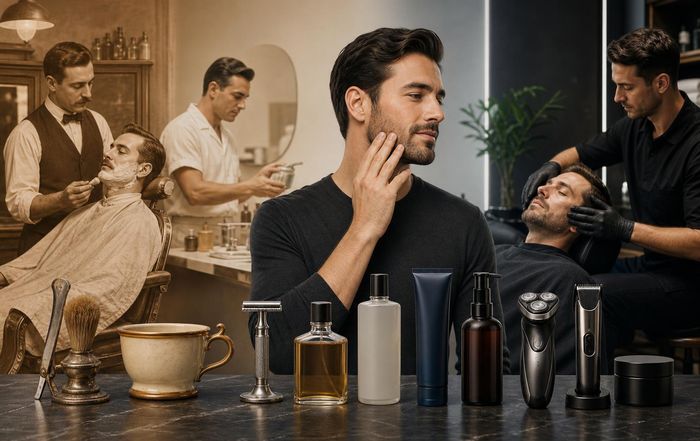
The Evolution of Men's Grooming Services
A New Era for Men's Self-Care
Men's grooming has transformed from a narrow focus on basic hygiene into a sophisticated, global industry that intersects with wellness, fashion, technology, and sustainable living. What was once limited to a quick haircut or a shave at a neighborhood barbershop has evolved into a multidimensional ecosystem of services, products, and experiences that address physical appearance, mental health, performance, and lifestyle aspirations. For this site, which sits at the intersection of spa, salon, health, and wellness, this evolution is not only a market trend but a strategic opportunity to shape how men worldwide understand and practice self-care in a way that is modern, inclusive, and deeply personalized.
Across major markets such as the United States, the United Kingdom, Germany, Canada, Australia, and throughout Europe and Asia, men are increasingly investing in grooming as an expression of identity, professionalism, and wellbeing. Industry data from organizations such as Statista and McKinsey & Company show sustained growth in male grooming categories from skincare and haircare to fragrance and aesthetic treatments, signaling that the old stigma around men taking care of their appearance has given way to a new norm of holistic self-maintenance. This shift is visible in high-end barbershops in New York and London, wellness-focused spas in Singapore and Tokyo, and hybrid grooming-lifestyle spaces emerging in cities from Berlin to São Paulo, and it is reshaping expectations of what modern spa and salon experiences should offer to male clients.
For site like this, which curate and contextualize trends in spa and salon culture, health, wellness, beauty, and lifestyle, the evolution of men's grooming is not simply about adding more services for men, but about reimagining the entire client journey, from discovery and education to booking and aftercare, in a way that reflects men's diverse needs, cultural contexts, and aspirations.
From Barbershop Tradition to Holistic Grooming Culture
Historically, the barbershop was the primary space dedicated to male grooming, rooted in ritual, community, and craftsmanship. In cities across North America, Europe, and parts of Asia, the barbershop served as a social hub where men would gather for haircuts, shaves, and conversation. This tradition, documented in cultural histories and supported by research from organizations like Smithsonian Magazine, established grooming as a communal, almost ceremonial experience, particularly in communities where barbershops doubled as informal social clubs and cultural anchors.
Over the past two decades, however, the definition of grooming has expanded dramatically. Influenced by the rise of metrosexual culture in the early 2000s, the growth of men's skincare in markets like South Korea and Japan, and the increasing visibility of male beauty and fashion icons through platforms such as Vogue and GQ, men began to explore services that went beyond a simple haircut. Facials, manicures, pedicures, brow grooming, and scalp treatments gradually entered the mainstream, first in cosmopolitan centers like London, New York, and Seoul, and then more broadly across Europe, Asia, and the Americas.
Today, premium spa and salon environments, including those highlighted in QikSpa's spa and salon coverage, are redesigning their service menus to accommodate men who expect a seamless blend of traditional barbering and advanced skincare, body treatments, and relaxation therapies. In this context, grooming is no longer a standalone chore, but a gateway to a fuller wellness journey that may include massage, mindfulness, nutrition guidance, and fitness integration, reflecting a refined understanding that appearance, confidence, and health are closely interlinked.
Health, Wellness, and the Male Mindset
The most profound shift in men's grooming is its integration into the larger wellness movement. As global awareness of mental health and stress-related conditions has grown, particularly in high-pressure environments across North America, Europe, and Asia, men have become more open to viewing grooming as part of a broader self-care strategy. Organizations such as the World Health Organization and World Economic Forum have highlighted the impact of stress, burnout, and lifestyle-related disease on male populations, and this information has helped destigmatize conversations around mental health, self-image, and preventative care.
Modern grooming destinations increasingly offer services that address both the physical and psychological dimensions of wellbeing. A hot towel shave paired with aromatherapy, a deep-tissue massage following a haircut, or a facial that incorporates mindfulness techniques can create a multi-sensory experience that helps men decompress from digital overload and workplace pressure. This trend aligns with the content and positioning of QikSpa Health and QikSpa Wellness, which emphasize the interconnectedness of physical care, mental resilience, and long-term vitality.
The pandemic years and their aftermath further accelerated this convergence of grooming and wellness. Remote work, increased screen time, and blurred boundaries between personal and professional life led many men in countries such as the United States, the United Kingdom, Germany, Canada, and Australia to reassess their routines. In this environment, grooming rituals became small but meaningful anchors of control and stability, while wellness-oriented treatments gained traction as tools for managing anxiety, sleep disruption, and fatigue. As a result, spa and salon operators that cater to men now compete not just on technical skill, but on their ability to deliver restorative, evidence-informed experiences that support overall health.
Advanced Skincare, Aesthetics, and the Science of Appearance
Another defining feature of the evolution of men's grooming is the embrace of science-based skincare and aesthetic treatments. Men are better informed than ever about the impact of sun exposure, pollution, diet, and stress on their skin, drawing on credible sources such as Mayo Clinic and Harvard Health Publishing to understand skin aging, acne, and sensitivity. This knowledge has translated into a willingness to invest in professional-grade facials, chemical peels, laser treatments, and non-surgical procedures such as injectables, provided they are delivered with discretion, transparency, and medical oversight.
In many leading markets, dermatologists and medical spas are partnering with barbers and grooming specialists to offer integrated services that bridge cosmetic and clinical care. A client might receive a personalized haircut and beard design, followed by a skin analysis and tailored treatment plan that includes in-spa procedures and at-home regimens. This hybrid model reflects a more sophisticated consumer who expects measurable results, clear communication, and a strong evidence base behind the products and technologies being used.
For QikSpa, which covers both beauty and wellness, there is a clear opportunity to help men navigate this increasingly complex landscape of options. Through curated guides and features on QikSpa Beauty, male readers can learn how to evaluate ingredients, understand the difference between cosmetic and medical treatments, and choose providers who adhere to high standards of safety and ethics. At the same time, spa and salon operators can position themselves as trusted advisors who translate scientific advances into accessible, personalized experiences that respect men's time, privacy, and goals.
Thanks for spending time with this feature. Whether you save it, share it, or simply reflect on it, the journey can continue beyond this page!
Nutrition, Fitness, and Grooming as Performance Strategy
As men around the world adopt a more holistic view of health, grooming is increasingly seen as part of a broader performance strategy that encompasses nutrition, fitness, and sleep. The same individual who tracks workouts with wearable technology and follows evidence-based nutrition advice from organizations like The Nutrition Source at Harvard T.H. Chan School of Public Health is likely to be more discerning about grooming products and services, seeking options that support skin health, hair strength, and overall vitality rather than merely masking issues.
In this context, grooming conversations often intersect with topics such as inflammation, hormonal balance, and recovery. For example, a man training for endurance events in countries like Germany, Sweden, or Japan may be interested in sports massage, cryotherapy, or specialized body treatments that address muscle soreness and circulation, alongside scalp care and skincare that protect against environmental stressors. Similarly, men who travel frequently for business across regions like North America, Europe, and Asia may seek grooming solutions that mitigate the effects of jet lag, dry cabin air, and irregular sleep, using targeted treatments and product routines to maintain a professional appearance and personal comfort.
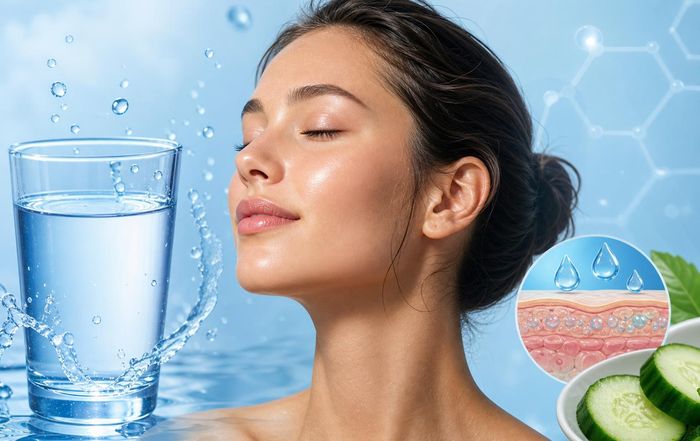
Platforms such as QikSpa Food and Nutrition and QikSpa Fitness can support this integrated approach by helping men understand how diet, hydration, and exercise influence skin texture, hair growth, and overall appearance. By connecting the dots between grooming and performance, spa and salon brands can position their services as part of a comprehensive lifestyle framework rather than isolated indulgences, reinforcing the message that looking good and feeling good are mutually reinforcing outcomes of intentional self-care.
Yoga, Mindfulness, and the Inner Dimension of Grooming
A notable development in men's wellness over the past decade has been the growing acceptance of yoga, meditation, and mindfulness practices among male audiences worldwide. Once perceived as niche or gendered, yoga has become a mainstream tool for stress management, mobility, and mental clarity in markets from the United States and the United Kingdom to India, Thailand, and Australia. This shift has important implications for grooming, as more men now understand that their outer appearance is influenced by inner states of tension, rest, and emotional balance.
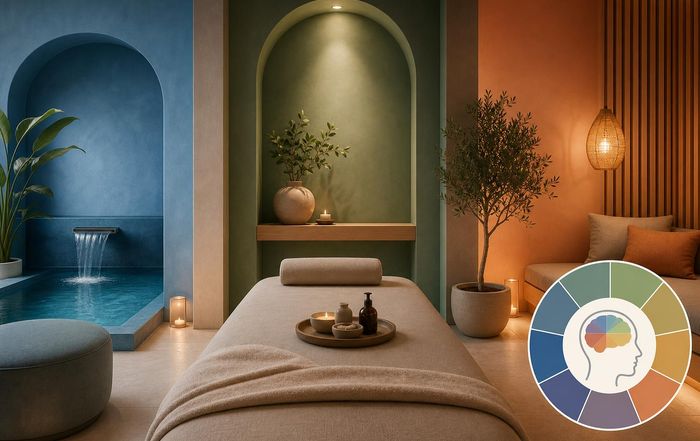
Integrating yoga and mindfulness into the grooming experience can create powerful synergies. A grooming session that begins with a brief breathing exercise, a guided relaxation, or a few minutes of stretching can help clients arrive in a more receptive, grounded state, enhancing both the physical benefits of treatments and the psychological sense of renewal. Similarly, spa and salon environments that incorporate quiet zones, natural materials, and biophilic design principles, inspired by research from organizations such as The American Institute of Architects, can foster a deeper sense of calm and presence for male clients who may be navigating demanding professional and personal lives.
QikSpa Yoga and QikSpa Wellness are well positioned to highlight case studies and best practices from international destinations where yoga-informed grooming experiences are thriving, including integrated wellness resorts in Southeast Asia, boutique studios in Scandinavian capitals, and urban retreats in cities like New York, London, and Singapore. By showcasing these examples, QikSpa can help normalize the idea that grooming is not just about surface-level refinement, but also about cultivating a calmer, more resilient inner life that naturally reflects in posture, expression, and overall presence.
Fashion, Image, and the Professional Imperative
In contemporary business culture, particularly in competitive markets across North America, Europe, and Asia-Pacific, personal presentation is closely linked to perceived competence, credibility, and leadership potential. Men in sectors such as finance, technology, consulting, and creative industries are acutely aware that their grooming choices influence how they are perceived by colleagues, clients, and stakeholders. This reality has elevated the importance of grooming as a strategic component of personal branding, alongside wardrobe, communication style, and digital presence.
Fashion authorities and business publications, including Business of Fashion and Harvard Business Review, have increasingly acknowledged that grooming is part of the modern professional toolkit, particularly in an era where hybrid work and high-resolution video calls make close-up appearances more visible than ever. A well-maintained haircut, a neatly styled beard, clear skin, and subtle fragrance can collectively convey attention to detail, self-respect, and reliability, while neglect in these areas can undermine otherwise strong credentials.
This intersection of fashion and grooming resonates with the editorial direction of QikSpa Fashion and QikSpa Business, which can guide male readers on aligning grooming practices with industry norms, corporate cultures, and personal style. By offering expert perspectives from image consultants, barbers, dermatologists, and executive coaches, QikSpa can help professionals in markets from London and Frankfurt to Singapore and Toronto build grooming routines that support their career ambitions without feeling inauthentic or overly performative.
Globalization, Culture, and Regional Nuances
While the evolution of men's grooming is a global phenomenon, its expression varies significantly across regions and cultures. In South Korea and Japan, for example, men's skincare and cosmetic use have been normalized for years, supported by influential K-beauty and J-beauty brands and endorsed by pop culture icons whose appearance standards are meticulously curated. In Scandinavian countries such as Sweden, Norway, Denmark, and Finland, grooming often emphasizes minimalism, natural ingredients, and sustainability, reflecting broader cultural values around simplicity and environmental responsibility. In emerging markets across Africa, South America, and Southeast Asia, rising middle classes and increased urbanization are fueling demand for modern grooming spaces that blend local traditions with international standards.
For global platforms like QikSpa International, understanding these nuances is critical to providing relevant, respectful content that recognizes the diversity of male grooming practices. A beard trend that resonates in the United States or the United Kingdom may not translate directly to clean-shaven norms in certain Asian corporate environments, just as fragrance preferences in France or Italy may differ from those in the Middle East or Latin America. Additionally, factors such as climate, air quality, and water hardness influence skincare and haircare needs in different regions, making localized expertise essential.
International organizations such as Euromonitor International and OECD have documented how demographic shifts, urbanization, and digital connectivity are reshaping consumer behavior, including grooming habits. By drawing on this type of macro-level insight while also spotlighting local practitioners, QikSpa can become a trusted bridge between global trends and regional realities, helping men in diverse markets-from Germany and Spain to South Africa, Brazil, and Malaysia-make informed grooming decisions that respect both personal identity and cultural context.
Sustainability, Ethics, and Conscious Consumption
As environmental and social concerns have moved to the forefront of consumer consciousness, men's grooming has not been immune to scrutiny. Increasingly, male clients in markets such as the Netherlands, Switzerland, Canada, and New Zealand are asking questions about ingredient sourcing, packaging waste, animal testing, and labor practices behind their grooming products and services. This shift mirrors broader trends in conscious consumerism, supported by research and advocacy from organizations like UN Environment Programme and Ellen MacArthur Foundation, which emphasize the importance of circularity, resource efficiency, and ethical supply chains.
For grooming brands and service providers, aligning with these values is no longer optional; it is a prerequisite for long-term relevance and trust. Men are increasingly willing to switch to barbershops and spas that use eco-friendly products, minimize single-use plastics, and demonstrate transparent commitments to fair trade and community engagement. At the same time, they expect these sustainable solutions to perform at a high level, delivering tangible benefits without compromising on experience or results.
QikSpa Sustainable offers a platform to spotlight innovators in sustainable grooming, from barbershops powered by renewable energy in Germany and Denmark to natural skincare formulations in Australia and South Africa that rely on ethically sourced botanicals. By educating men on how to evaluate sustainability claims and by showcasing practical steps that spas and salons can take to reduce their environmental footprint, QikSpa can help align grooming choices with broader lifestyle values, reinforcing the message that self-care and planetary care are deeply interconnected.
Women, Inclusivity, and the Changing Dynamics of Grooming
Although the focus is on men's grooming, it is impossible to ignore the role that women have played in shaping this evolution and the growing movement toward more inclusive, gender-neutral approaches to beauty and wellness. Women have long been early adopters and influencers in the beauty and spa sectors, and many men's initial exposure to advanced grooming products and services has come through recommendations from partners, family members, or female colleagues. As gender norms continue to evolve across regions such as North America, Europe, and parts of Asia, there is a growing recognition that grooming is a human need rather than a gendered one.
Forward-thinking spa and salon operators are responding by creating environments that are welcoming to all genders, with service menus and marketing that avoid stereotypes and instead emphasize individual goals and preferences. This shift benefits men who may have previously felt uncomfortable entering spaces perceived as "for women," and it also opens the door to couples' experiences, family-oriented wellness, and intergenerational grooming traditions that reflect modern household dynamics.
Through QikSpa Women and its broader lifestyle content on QikSpa Lifestyle, the platform can explore how women's perspectives, expertise, and leadership are influencing the men's grooming sector, from female barbers and dermatologists to entrepreneurs developing unisex product lines. By championing inclusivity and diversity, QikSpa reinforces its commitment to experience, expertise, authoritativeness, and trustworthiness, ensuring that the conversation around men's grooming remains forward-looking, respectful, and aligned with contemporary social values.
Careers, Entrepreneurship, and the Business of Men's Grooming
The rapid expansion of men's grooming has also created significant career and business opportunities worldwide. From traditional barbers and hairstylists to skincare specialists, massage therapists, cosmetic chemists, and brand strategists, the sector now encompasses a wide range of roles that require technical skill, creativity, and business acumen. Educational institutions and professional bodies, such as CIDESCO International, have responded with specialized training programs that address male grooming techniques, customer psychology, and service design.
Entrepreneurs in cities from New York and Toronto to Berlin, Milan, Singapore, and Bangkok are launching innovative concepts that blend grooming with coffee culture, co-working spaces, art, and live music, creating multi-use environments that reflect the lifestyles of modern urban men. Meanwhile, digital-native brands are leveraging e-commerce, subscription models, and personalized digital consultations to reach male consumers in remote or underserved areas, further democratizing access to quality grooming solutions.
For individuals considering a career in this dynamic field, QikSpa Careers provides a lens on emerging roles, required competencies, and evolving client expectations, while QikSpa Business can analyze the financial and strategic dimensions of operating in this space. Topics such as pricing strategy, client retention, technology integration, and sustainable business practices are increasingly important as competition intensifies and as clients demand both high-touch service and digital convenience. By combining practical guidance with strategic insight, QikSpa can support the next generation of professionals and entrepreneurs who will shape the future of men's grooming across continents.
The Options Ahead: Personalization, Technology, and Integrated Living
The trajectory of men's grooming points toward even greater personalization, technological integration, and convergence with broader lifestyle domains. Advances in data analytics, artificial intelligence, and skin diagnostics will enable more precise, customized service recommendations and product formulations, while virtual consultations and augmented reality tools will help men experiment with styles and routines before committing in person. At the same time, the continued blending of grooming with wellness, fitness, nutrition, and mental health will reinforce the idea that self-care is a continuous, integrated practice rather than a series of isolated appointments.
For us, the evolution of men's grooming services represents an opportunity to deepen its role as a trusted, authoritative guide for a global audience that spans this magnificent planet. By connecting spa and salon trends with insights from health, wellness, beauty, food and nutrition, fitness, yoga, fashion, international travel, careers, business, lifestyle, sustainability, and women's perspectives, QikSpa can help men craft grooming journeys that are not only aesthetically satisfying but also aligned with their values, ambitions, and wellbeing.
In this new era, men's grooming is no longer a marginal or superficial concern; it is a meaningful expression of how men see themselves and how they wish to show up in the world. The most successful brands, practitioners, and platforms will be those that honor this depth, combining technical excellence with empathy, cultural awareness, and a steadfast commitment to trust.