
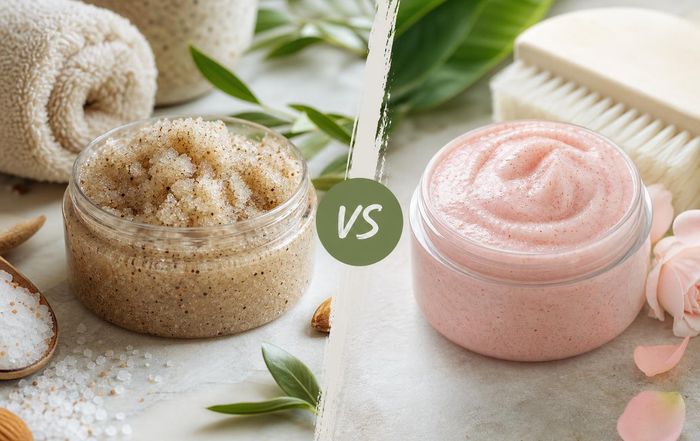
Choosing Between a Body Scrub and a Body Polish: What Your Skin Really Needs
Walk into any spa menu or beauty aisle and it can feel like "body scrub" and "body polish" are used almost interchangeably. Yet there are real differences between the two, and understanding them can help you choose the treatment that best suits your skin type, lifestyle, and self-care goals. For anyone building a home spa ritual or booking a professional treatment, the choice affects not only how your skin feels that day, but also its long-term health and barrier function.
This guide unpacks what distinguishes scrubs from polishes, how each interacts with your skin, and how to decide which one to reach for when you want that smooth, luminous finish.
What Is a Body Scrub?
A body scrub is typically a more intensive exfoliating treatment designed to physically remove dead skin cells from the surface of the skin. Scrubs usually rely on granular particles-such as sugar, salt, finely ground nutshells, coffee, or pumice-suspended in a base of oil, gel, or cream. When massaged over the skin, these particles provide mechanical friction that loosens and sloughs off built-up cells.
Dermatology organizations such as the American Academy of Dermatology highlight physical exfoliation as one of the most common ways people smooth their skin at home, alongside chemical exfoliation with acids like glycolic or lactic acid, and enzymatic exfoliation with fruit enzymes from ingredients such as papaya or pineapple. While chemical exfoliants are often preferred for the face, body scrubs remain popular for areas like arms, legs, elbows, and feet where skin tends to be thicker and more resilient. For many people, a scrub offers that instant "baby-soft" feeling and helps products like body lotions and self-tanners apply more evenly.
However, because scrubs work by abrasion, they can potentially irritate the skin if used too frequently, applied with too much pressure, or formulated with particles that have sharp, irregular edges. This is one reason dermatologists and organizations such as the British Association of Dermatologists and American Academy of Dermatology generally discourage harsh, gritty products or DIY scrubs that use large sugar crystals or rock salt on sensitive or compromised skin. When chosen and used well, though, a scrub can be a satisfying reset for dull, rough patches and a powerful tool in a broader body care and beauty routine.
What Is a Body Polish?
A body polish has a similar overall goal-smoother, more radiant skin-but it tends to be gentler, more moisturizing, and more spa-like in texture and experience. In many professional spa settings, a polish is framed as a luxury treatment rather than a "deep clean," often combining very fine exfoliating particles (or low-strength acids/enzymes) with nourishing oils, butters, and humectants such as glycerin.
Where a scrub focuses primarily on removing dead skin, a polish aims to both refine texture and enhance softness and glow. The exfoliating elements in a polish are usually smaller and rounder, causing less friction. The base often feels creamier and more emollient, so the treatment doubles as a hydrating massage. Spas may follow a polish with a body wrap, aromatherapy, or a rich lotion application, making it a central part of a spa and salon ritual.
Skin health organizations like the Skin Cancer Foundation and Canadian Dermatology Association emphasize that maintaining a healthy moisture barrier is essential for resilience and comfort. A well-formulated body polish supports this by minimizing micro-damage from exfoliation while delivering lipids and humectants that help the skin hold onto water. For those with dry, sensitive, or mature skin, a polish is often the more comfortable and sustainable choice for regular use.
Key Differences: Texture, Intensity, and Skin Feel
Although there is no universal regulatory definition separating "scrub" from "polish," most brands and spas use the terms in ways that share common themes. Understanding these differences can guide your decision.
In terms of texture, scrubs are usually coarser and more obviously grainy. They may contain salt crystals, sugar granules, or ground seeds you can clearly feel between your fingers. Polishes tend to be smoother, with micro-fine particles or very low-level acids that feel almost creamy on the skin. This difference in texture is central to how intense the exfoliation feels during use.
When it comes to intensity, scrubs generally provide stronger mechanical exfoliation. They can be especially effective on areas with visible roughness, such as keratosis pilaris ("chicken skin") on the arms, or dry, flaky patches on the legs. Polishes usually offer a subtler buffing effect, focusing more on improving radiance and softness than on aggressively removing thick buildup. People with robust, oilier skin or those who spend a lot of time outdoors and accumulate sweat, sunscreen, and pollution residue may enjoy the "reset" sensation of a scrub, whereas those with easily irritated skin often find a polish more forgiving.
The after-feel also tends to differ. Scrubs can leave the skin feeling very clean, sometimes even slightly tight if they are salt-based or paired with a foaming cleanser. Polishes, with their richer bases, often leave a velvety or satiny finish, as if you have already applied a light body lotion. For self-care enthusiasts who view their shower or bath as a mini retreat, the sensorial pleasure of a polish-its scent, slip, and post-treatment glow-can be as important as its technical performance, aligning beautifully with a broader wellness-focused lifestyle.
Skin Type Matters: Matching Treatment to Your Body
Choosing between a body scrub and a body polish starts with understanding your skin type, concerns, and any underlying conditions. Dermatology guidance from organizations such as the American Academy of Dermatology, National Eczema Association, and National Psoriasis Foundation consistently emphasizes tailoring exfoliation to individual skin needs.
Those with dry or dehydrated skin often benefit more from a body polish or a very gentle scrub used sparingly. Over-exfoliating dry skin can disrupt the lipid barrier, leading to increased transepidermal water loss, itchiness, and a tight, uncomfortable sensation. A polish that incorporates nourishing oils like jojoba or squalane and humectants such as glycerin or hyaluronic acid can help soften flakiness without stripping. Applying a fragrance-free, ceramide-rich moisturizer afterward, as recommended by many dermatology groups, helps reinforce the barrier and lock in hydration.
Sensitive or reactive skin, including those prone to eczema, rosacea, or chronic irritation, should approach scrubs with caution. Harsh physical exfoliation can trigger flare-ups, micro-tears, or stinging. A very mild polish, or even skipping mechanical exfoliation entirely in favor of a soft washcloth and a fragrance-free cleanser, may be more appropriate. In these cases, it is wise to consult a dermatologist-via resources from bodies like the American Academy of Dermatology or your local dermatology society-before introducing new exfoliating products.
Oily or combination body skin, especially on the back, chest, and upper arms, may tolerate a well-formulated scrub better, particularly if there is visible congestion or roughness. However, even here, scrubs should not be used daily. Over-scrubbing can paradoxically lead to more oil production and inflammation. Individuals with acne-prone body skin might also consider products containing salicylic acid or other beta-hydroxy acids, which dermatologists often recommend for clogged pores, but these should be used under guidance if there is a history of sensitivity.
For mature skin, which naturally becomes thinner and drier over time, a body polish is usually the safer bet. As collagen and lipid levels decline with age, the skin's ability to recover from mechanical stress diminishes. Gentle, hydrating exfoliation combined with sun protection-supported by organizations like the Skin Cancer Foundation and public health agencies such as the Centers for Disease Control and Prevention-helps maintain smoothness without compromising resilience.
When to Choose a Body Scrub
There are times when a body scrub is particularly useful, even for those who generally prefer a polish. A scrub can be a practical tool in a broader health and wellness routine when used strategically and with respect for the skin's limits.
Many people reach for a scrub before hair removal, whether shaving, waxing, or using depilatory creams. Gently exfoliating a day before shaving can help lift ingrown hairs and remove dead cells that might otherwise clog razors, potentially leading to a closer, smoother result. It is important, however, not to scrub immediately before or after shaving or waxing, as this can increase the risk of irritation, razor burn, or inflammation. Leaving at least 24 hours between intense exfoliation and hair removal is a common recommendation among skincare professionals.
Scrubs also shine when dealing with localized roughness. Elbows, knees, heels, and hands often accumulate thicker, more compacted layers of dead skin due to friction and pressure. A targeted scrub once or twice a week, followed by a rich occlusive cream or balm, can gradually soften these areas. For those who exercise frequently or spend time in chlorinated pools, a scrub can help remove product buildup, sweat, and environmental pollutants, supporting a broader fitness and recovery routine.
If you live in a humid climate or have naturally oily body skin, you may find that a scrub used occasionally-perhaps once a week in summer-helps you feel fresher and keeps body care products absorbing well. Just as important as the product itself is how you use it: dermatology organizations frequently advise applying light to moderate pressure, using circular motions, and limiting sessions to a short duration to avoid over-working the skin.
When a Body Polish Is the Better Choice
A body polish is often the treatment of choice when comfort, barrier support, and a spa-like experience are top priorities. For those building a regular self-care ritual-perhaps a weekly bath with candles, relaxing music, and aromatherapeutic oils-a polish offers a gentler, more indulgent way to keep the skin smooth year-round.
People living in cold or dry climates, or spending long hours in air-conditioned or heated environments, often experience chronically dehydrated skin. In these conditions, a polish that combines mild exfoliation with nourishing emollients can help prevent the cycle of flaking and tightness that harsher scrubs may worsen. Following with a hydrating body lotion or oil, and paying attention to overall nutrition and hydration, supports skin from both inside and out.
Individuals with sensitive, reactive, or condition-prone skin (such as eczema or psoriasis) are more likely to tolerate a well-designed polish than a gritty scrub, though even polishes should be patch-tested. Organizations like the National Eczema Association and National Psoriasis Foundation often recommend fragrance-free, hypoallergenic, and gentle formulations for these groups, and some brands now design polishes that meet these criteria. In many cases, a very soft polishing cloth or konjac sponge with a non-foaming cleanser can function as a "manual polish" without the need for particles at all.
Body polishes also align well with broader wellness and relaxation practices such as yoga, meditation, and stress management. The slow, mindful application of a polish can become part of a grounding ritual, reinforcing the mind-body connection that many spa cultures around the world emphasize. For those prioritizing sustainable self-care, choosing polishes with biodegradable exfoliants and ethical sourcing can further align the ritual with personal values.
Frequency: How Often Should You Exfoliate?
Whether you choose a scrub or a polish, frequency matters as much as product type. Over-exfoliation is a common source of barrier damage, redness, and chronic sensitivity, and it can undermine the very glow people are seeking. Guidance from dermatology organizations such as the American Academy of Dermatology suggests that, for most people, exfoliating the body no more than two to three times per week is sufficient, and many do well with just once weekly.
For robust, oily, or very resilient skin, a gentle scrub or polish one to two times per week is typically enough. If you are using other exfoliating products containing alpha- or beta-hydroxy acids (for example, glycolic or salicylic acid body lotions), you may need to reduce mechanical exfoliation to avoid compounding effects. Combining strong chemical exfoliants with vigorous scrubbing increases the risk of irritation and post-inflammatory hyperpigmentation, particularly in deeper skin tones.
Those with dry, sensitive, or mature skin often do best with a polish once a week or even every other week. The goal shifts from "scrubbing away" to "refreshing gently," with more emphasis on daily moisturization and sun protection. International health and dermatology bodies, including the World Health Organization and national cancer societies, consistently highlight the importance of sunscreen for exposed skin, especially after exfoliation, when the skin may be slightly more vulnerable to UV damage.
If you are unsure about how your skin is responding, pay attention to signs such as lingering redness, stinging when applying products, or a feeling of tightness that lasts beyond a few minutes after showering. These can indicate that your routine is too aggressive and that you may need to reduce frequency, switch to a milder polish, or take a break from exfoliation altogether while focusing on barrier repair.
Ingredients to Seek Out-and to Avoid
The choice between a scrub and a polish is not just about the label; it is also about the ingredients inside. Understanding a few key categories can help you make safer, more effective choices, whether you are shopping in the United States, Europe, or elsewhere.
In scrubs, look for smooth, biodegradable exfoliants such as finely milled sugar, salt, bamboo powder, jojoba beads, or ground oats. Avoid sharp, irregular particles like large apricot kernels or walnut shells, which have been criticized by many dermatologists for causing micro-tears in the skin. Microplastic beads, once common in scrubs, have been banned or restricted in several countries due to environmental concerns, and organizations such as the United Nations Environment Programme and European Chemicals Agency have highlighted their ecological impact. Choosing products that specify biodegradable particles helps support more sustainable spa routines.
For polishes, beneficial ingredients often include plant oils (such as sunflower, sweet almond, or jojoba), butters (shea, cocoa, mango), and humectants like glycerin. Gentle chemical exfoliants such as lactic acid or mandelic acid may appear in low concentrations to help loosen dead cells without heavy abrasion. Those with sensitive skin may want to avoid strong fragrances, high levels of essential oils, or aggressive acids, as these can increase the risk of irritation even in a polish.
Across both categories, it is wise to be cautious with products that combine multiple strong exfoliating methods-such as a coarse scrub plus high-percentage acids-unless they are specifically recommended by a dermatologist for your skin. Regulatory and consumer safety bodies, including the U.S. Food and Drug Administration and the European Commission, enforce certain standards on cosmetic products, but individual tolerance still varies, making patch testing on a small area of skin a practical step before full-body use.
Building a Spa-Inspired Body Routine at Home
For many people, choosing between a body scrub and a body polish is not an either-or decision but a question of how to integrate both into a balanced body care routine. A simple, spa-inspired approach might involve using a gentle polish weekly as a baseline, then introducing a more targeted scrub occasionally for stubborn rough patches or specific needs, such as pre-vacation prep when you want your skin to look particularly even and luminous.
Start with a warm (not hot) shower or bath to soften the skin and open pores slightly. Apply your scrub or polish in sections-legs, arms, torso-using circular motions and light to moderate pressure. Avoid broken skin, active rashes, or areas with sunburn, and keep the product away from the face unless it is explicitly labeled as safe for facial use. Rinse thoroughly and gently pat the skin dry rather than rubbing vigorously with a towel, which adds unnecessary friction.
Follow with a moisturizer tailored to your skin type. For dry or mature skin, look for products with ceramides, cholesterol, and fatty acids, which dermatology organizations often recommend for barrier repair. Those with oilier skin may prefer lighter lotions or gels. Integrating this ritual into a broader wellness and lifestyle framework-adequate sleep, stress management, movement, and attention to nutrition-can amplify the benefits, as skin often reflects overall health.
Travelers who enjoy spa experiences around the world might also adapt their approach based on climate and water quality. In very hard-water regions, for example, skin can feel drier, so a polish plus a rich moisturizer may be more comfortable than a strong scrub. Exploring local spa traditions, from hammams to onsen, can offer inspiration while still applying the same principles of moderation, barrier respect, and sun protection.
How to Decide, Step by Step
If you are still unsure which option is best for you right now, it can help to ask a few practical questions. First, consider your primary goal: if you want intensive smoothing for rough areas or pre-hair-removal prep, a scrub used carefully and infrequently may be appropriate. If your aim is regular maintenance, radiance, and a soothing self-care ritual, a polish is usually the better baseline.
Next, assess your skin's current condition. Any signs of heightened sensitivity, recent sunburn, active breakouts, or medical skin conditions should steer you toward gentler options or, in some cases, a pause on exfoliation until you have professional guidance. Many dermatologists, accessible through organizations like the American Academy of Dermatology or national health services, can offer personalized recommendations based on your skin type, medications, and environment.
Finally, think about your broader routine. If you already use acid-based body lotions, retinoids, or frequent waxing, your exfoliation "load" may be higher than you realize, and a mild polish once in a while could be all you need. If your routine is very simple-cleanser and moisturizer only-you may have more flexibility to introduce either a scrub or a polish, starting slowly and observing how your skin responds over several weeks.
By taking a thoughtful, skin-respecting approach rather than chasing instant results, it becomes easier to see body scrubs and body polishes not as competing products but as different tools in the same self-care kit. Used wisely, either can support smoother, more comfortable skin and turn everyday cleansing into a brief, restorative pause-something that aligns well with a modern focus on holistic wellness and intentional relaxation.
