
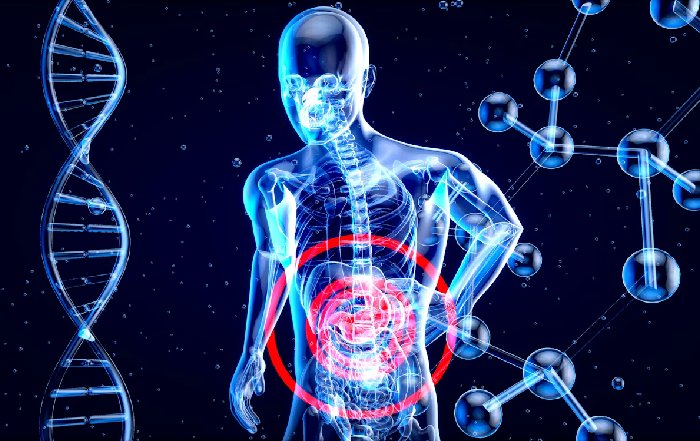
Biomonitoring and Health Tracking: The Data-Driven Path to Wellbeing
The New Landscape of Data-Driven Wellbeing
The convergence of biomonitoring technologies, digital health platforms, and personalized wellness strategies has transformed how individuals think about health, performance, and longevity, and QikSpa sits at the intersection of this transformation, translating complex data into meaningful lifestyle choices that span spa and salon experiences, fitness, nutrition, and holistic wellbeing. What was once the domain of elite athletes and specialized medical research is increasingly accessible to everyday consumers in the United States, Europe, Asia, and beyond, as wearable sensors, at-home diagnostic kits, and AI-driven analytics help people track everything from heart rate variability and sleep quality to stress hormones and microbiome diversity. This shift from occasional check-ups to continuous, real-time insight is reshaping expectations of what it means to feel well, perform at one's best, and age healthily, and it is driving new standards across the global spa, lifestyle, and wellness sectors that QikSpa serves through its integrated focus on health, wellness, fitness, and lifestyle.
Understanding Biomonitoring: From Medical Labs to Everyday Life
Biomonitoring refers to the systematic measurement of biological markers in the body-such as hormones, metabolites, proteins, and environmental toxins-to assess health status, disease risk, or exposure to harmful substances, and it has long been a core tool for organizations like the U.S. Centers for Disease Control and Prevention through its National Biomonitoring Program, which tracks population-level exposures to chemicals and pollutants; readers can explore how this work underpins modern public health by visiting the CDC biomonitoring overview. Historically, such assessments required clinical visits, specialized laboratories, and lengthy report cycles, but in the last decade, a new ecosystem of consumer-facing health technologies has emerged, allowing individuals in major markets such as the United States, United Kingdom, Germany, Canada, Australia, and Singapore to monitor key biomarkers through wearable devices, connected scales, smart rings, continuous glucose monitors, and at-home blood, saliva, or stool tests that integrate directly with smartphone applications and cloud-based dashboards.
This democratization of biomonitoring is supported by advances in biosensor miniaturization, secure cloud computing, and data science, alongside a growing body of evidence from institutions such as Harvard Medical School and the Mayo Clinic showing the value of early detection and personalized lifestyle interventions in preventing chronic disease; those interested in the clinical foundations of risk reduction can review guidance from Harvard Health Publishing or explore preventive care resources from the Mayo Clinic. For QikSpa, which curates content across spa and salon, beauty, and food and nutrition, this shift means that wellbeing is no longer defined solely by how people look or feel at a given moment, but by a continuous feedback loop in which objective metrics inform subjective experiences and vice versa.
The Rise of Wearables and Continuous Health Tracking
Wearable devices have become the most visible expression of this data-driven path to wellbeing, with smartwatches, fitness trackers, and smart rings from companies such as Apple, Garmin, and Oura now worn by millions of consumers across North America, Europe, and Asia who wish to monitor daily movement, sleep patterns, cardiovascular metrics, and stress levels. These devices capture a wide array of physiological signals-steps, heart rate, heart rate variability, respiratory rate, skin temperature, and in some cases blood oxygen saturation-and translate them into user-friendly dashboards that encourage healthier behavior through prompts, trends, and insights; readers can deepen their understanding of how physical activity metrics relate to long-term health outcomes through resources from the World Health Organization and the American Heart Association.
Over the past few years, continuous glucose monitoring (CGM) has moved beyond diabetes management into the mainstream wellness space, particularly in markets like the United States, Canada, and the United Kingdom, where health-conscious consumers partner with digital platforms to understand how their blood sugar responds to different foods, exercise patterns, and sleep habits. This evolution aligns closely with QikSpa's commitment to integrated wellbeing, as insights from CGM and other biomonitoring tools can inform personalized nutrition strategies, spa treatments aimed at stress reduction, and targeted fitness programs that support metabolic health, all of which complement editorial themes explored in the food and nutrition and wellness sections.
In parallel, smart rings and advanced sleep trackers have brought sophisticated sleep analytics into everyday life, correlating sleep stages, bedtime consistency, and nocturnal heart rate variability with daytime performance and mood; those seeking a deeper scientific context can review sleep health guidance from the National Sleep Foundation and evidence-based recommendations from the Cleveland Clinic. For spa and salon operators, hoteliers, and wellness retreats that engage with QikSpa's travel and international content, this emphasis on sleep quality is reshaping service design, from circadian-friendly lighting and soundscapes to personalized relaxation rituals that can be tracked and refined through guests' own devices.
Biomonitoring, Lifestyle, and Personalized Wellness Journeys
The core promise of biomonitoring lies not just in data collection, but in translating that data into sustainable lifestyle change, and this is where experience, expertise, and trustworthiness become essential. Leading academic centers such as Stanford Medicine and Imperial College London have shown through digital health research that personalized feedback-grounded in robust science and delivered through intuitive interfaces-can significantly improve adherence to exercise, nutrition, and stress-management programs; readers can explore this broader field of precision health through resources from Stanford Medicine's digital health initiatives and innovation insights from Imperial College London's Institute of Global Health Innovation.
For QikSpa, whose audience spans wellness-focused professionals, entrepreneurs, and discerning consumers from New York and London to Singapore, Dubai, and Sydney, the integration of biomonitoring into everyday choices is increasingly reflected in how people approach spa therapies, yoga practices, beauty regimens, and even fashion and travel. A guest might use heart rate variability data to evaluate the impact of a deep-tissue massage or mindfulness session, track how hot-cold contrast therapies influence sleep quality, or monitor how a new skincare routine affects inflammation markers over time, aligning with the holistic lifestyle insights shared across beauty and yoga. Similarly, fitness enthusiasts can correlate structured training plans with metrics such as resting heart rate, recovery scores, and perceived exertion, drawing on best-practice guidelines from organizations like the American College of Sports Medicine, whose recommendations on exercise prescription can be explored via the ACSM resources.
In the context of nutrition, biomonitoring enables a shift from generalized dietary advice to individualized strategies that account for metabolic variability, food sensitivities, and microbiome composition, a trend supported by emerging research from institutions like King's College London and the Weizmann Institute of Science on personalized nutrition and glycemic responses. Those interested in understanding how such approaches can influence long-term health can review overviews on personalized nutrition from the National Institutes of Health or explore broader dietary guidance from the European Food Safety Authority. For QikSpa, which connects readers to balanced perspectives on food, health, and lifestyle, this evolution underscores the importance of curating content that respects both scientific rigor and cultural diversity in eating patterns across Europe, Asia, Africa, and the Americas.
Mental Health, Stress, and Emotional Wellbeing in a Measured World
While biomonitoring is often associated with physical metrics, one of the most significant developments by 2026 is the growing ability to infer mental and emotional states from physiological data, enabling more proactive management of stress, burnout, and mood disorders. Heart rate variability, sleep disruption, resting heart rate trends, and activity patterns can serve as early indicators of chronic stress or declining mental resilience, and when interpreted thoughtfully, these signals can prompt timely interventions such as mindfulness practices, breathwork, digital cognitive behavioral tools, or adjustments to workload and lifestyle; those seeking evidence-based information on the relationship between stress and health can consult resources from the World Health Organization's mental health pages and the National Institute of Mental Health.
For a platform like QikSpa, which addresses the needs of women and men balancing demanding careers, caregiving responsibilities, and global mobility, the integration of mental health insights into spa, fitness, and lifestyle content is particularly important, and it aligns with the growing recognition by organizations such as McKinsey & Company and the World Economic Forum that mental wellbeing is a critical driver of workforce productivity and economic resilience; readers can explore broader discussions of mental health and the future of work through the World Economic Forum's wellbeing initiatives and related management insights from McKinsey's health and wellbeing research. Biomonitoring can help individuals recognize when stress is accumulating beyond healthy thresholds, while health-conscious employers and spa operators can design experiences and environments that support recovery, relaxation, and emotional balance, themes that resonate strongly with QikSpa's focus on careers, women, and global lifestyle trends.
Trust, Data Privacy, and Ethical Use of Health Information
As biomonitoring moves into the mainstream, questions of data privacy, consent, and ethical governance have become central to any credible discussion of digital wellbeing, especially for international audiences navigating different regulatory frameworks in the European Union, North America, and Asia-Pacific. The European Union's General Data Protection Regulation (GDPR) and similar frameworks in countries like Canada, Australia, and Brazil impose strict requirements on how personal health data is collected, stored, and shared, and these regulations underscore the need for transparency and accountability across the wellness and technology ecosystem; those wishing to understand the regulatory landscape in more depth can review the European Commission's data protection overview and guidance on health data from the Office of the Privacy Commissioner of Canada.
In parallel, organizations such as the OECD and World Health Organization are working to develop global principles for trustworthy AI and digital health, emphasizing fairness, inclusivity, and human oversight, themes that are particularly relevant as AI systems increasingly interpret biomonitoring data and recommend interventions; readers can learn more about these principles through the OECD's work on AI and health and the WHO's guidance on ethics and governance of AI for health. For QikSpa, which positions itself as a trusted guide at the intersection of wellness, business, and lifestyle, aligning with such frameworks is essential to maintaining credibility, and it reinforces the importance of educating readers about informed consent, data minimization, and the careful selection of technology partners who prioritize security and user control.
Business Opportunities and Strategic Imperatives in the Wellness Economy
The global wellness economy continues to expand, with spa, beauty, fitness, and healthy nutrition segments benefiting from rising consumer demand in markets from the United States and Canada to Germany, Italy, China, and South Africa, and biomonitoring sits at the heart of many of the most dynamic business models in this space. Industry analyses from organizations like the Global Wellness Institute and Deloitte highlight how personalized, data-driven offerings command premium pricing and foster long-term loyalty, as consumers increasingly expect their wellness experiences-whether at a neighborhood spa in London, a yoga retreat in Bali, or a luxury resort in Dubai-to be tailored to their unique physiological profiles; readers can explore macro-trends shaping this sector through the Global Wellness Institute's research and strategic perspectives from Deloitte's health and wellness insights.
For entrepreneurs, investors, and operators who follow QikSpa's business coverage, this environment presents both opportunity and complexity. On one hand, partnerships between spas, fitness studios, hotels, and digital health platforms create new revenue streams and differentiated guest experiences, such as biomarker-informed detox programs, stress-recovery packages, and performance-focused retreats that integrate diagnostics, coaching, and ongoing remote support. On the other hand, success in this arena requires careful attention to regulatory compliance, clinical validation, and cross-cultural sensitivity, particularly when serving international clientele from regions with varying expectations around privacy, medical oversight, and traditional healing practices. Organizations that thrive in this landscape tend to combine strong scientific advisory boards, robust data governance, and a deep understanding of local consumer behavior, elements that QikSpa consistently emphasizes in its coverage of global trends across international and sustainable business practices.
Sustainability, Responsible Innovation, and the Future of Biomonitoring
As biomonitoring technologies proliferate, questions of environmental impact and sustainability are gaining prominence, especially among younger consumers in Europe, North America, and Asia-Pacific who expect brands to align health, ethics, and ecological responsibility. Wearable devices, at-home test kits, and connected equipment rely on rare earth minerals, complex supply chains, and electronic components that can contribute to e-waste if not managed responsibly, and industry leaders are increasingly challenged to design products and services that minimize environmental footprints while maximizing health benefits. Organizations such as the Ellen MacArthur Foundation and the UN Environment Programme are promoting circular economy principles and responsible consumption models that can guide wellness and technology companies as they rethink product design, packaging, and end-of-life strategies; readers can learn more about these frameworks through the Ellen MacArthur Foundation's circular economy resources and sustainability guidance from the UN Environment Programme.
For QikSpa, whose editorial lens includes a strong focus on sustainable lifestyles, fashion, and travel, the integration of biomonitoring into eco-conscious wellness is an emerging frontier. Spa and salon operators, retreat centers, and hospitality brands that adopt biomonitoring can differentiate themselves further by sourcing devices from manufacturers that prioritize repairability, recyclability, and responsible materials, as well as by designing programs that encourage mindful use of technology rather than constant dependence. This approach resonates with broader movements toward slow living, regenerative tourism, and ethical fashion that QikSpa explores across its fashion and travel content, reinforcing the idea that wellbeing is not only about individual metrics, but also about the health of communities and ecosystems.
Regional Perspectives: A Global Tapestry of Data-Driven Wellbeing
Although biomonitoring and health tracking are global phenomena, regional differences in regulation, culture, healthcare systems, and digital infrastructure shape how these tools are adopted in practice, and understanding these nuances is crucial for the international audience that QikSpa serves. In North America, particularly the United States and Canada, consumer-driven wellness and direct-to-consumer health services have fueled rapid innovation, with technology companies and startups often taking the lead in offering advanced diagnostics and personalized coaching; those interested in the broader digital health ecosystem can explore overviews from the U.S. Department of Health & Human Services and innovation profiles from Canada Health Infoway.
In Europe, countries such as Germany, the Netherlands, Sweden, and Denmark have combined strong data protection laws with robust public healthcare systems, leading to models where digital health and biomonitoring are increasingly integrated into formal care pathways and reimbursable services, and this integration is guided by frameworks and recommendations from organizations like the European Medicines Agency and the European Commission; readers can examine how digital tools are being incorporated into European healthcare through the European Commission's digital health initiatives. In Asia, markets like Singapore, South Korea, Japan, and China are leveraging advanced connectivity and a strong culture of technology adoption to drive rapid uptake of wearables and mobile health platforms, while also grappling with questions of governance and equity, themes that are explored by regional bodies and think tanks across the continent.
Emerging economies in Africa and South America, including South Africa and Brazil, are increasingly using mobile-first health solutions and community-based programs to expand access to monitoring and preventive care, sometimes leapfrogging legacy infrastructure and creating innovative models that blend global technologies with local health worker networks. For QikSpa, which aims to reflect a truly global perspective on wellness, these regional dynamics highlight the importance of tailoring content and recommendations to local realities, acknowledging that the same biomonitoring tools may serve different purposes-from elite performance optimization in Switzerland to maternal health monitoring in rural Thailand-depending on context and need.
Integrating Biomonitoring into Everyday Life with Confidence and Clarity
The data-driven path to wellbeing offers unprecedented opportunities for individuals and organizations to understand, protect, and enhance health, but realizing this potential requires more than simply adopting the latest device or app; it calls for informed interpretation, balanced expectations, and a commitment to aligning technology with human values. Biomonitoring can empower people to take ownership of their health journeys, inform more personalized spa and salon experiences, support targeted nutrition and fitness plans, and enable earlier detection of emerging issues, yet it can also lead to anxiety, over-tracking, or misplaced trust if not guided by credible expertise and clear communication.
As QikSpa continues to serve a sophisticated, globally minded audience interested in spa, lifestyle, beauty, food and nutrition, health, wellness, business, fitness, international trends, sustainability, yoga, fashion, women's leadership, travel, and careers, its role is to bridge the gap between cutting-edge science and practical daily choices, ensuring that readers can navigate the expanding world of biomonitoring with confidence. By spotlighting best practices, highlighting trustworthy organizations, and showcasing responsible innovation, QikSpa helps its community move beyond hype toward a mature, integrated approach to data-driven wellbeing-one in which technology enhances, rather than replaces, the wisdom of lived experience, professional guidance, and holistic self-care. Now get outdoors, enjoy the thinking space, relax and see you back here tomorrow.
